Neal Peirce looks at President Barack Obama's ambitious plans for high speed rail and the significant obstacles that stand in its way.


"Obama– "High-speed rail is long overdue, and this plan lets American travelers know that they are not doomed to a future of long lines at the airports or jammed into cars on the highways."
OK, reality check pause. Except for California–where voters last fall approved $9 billion in bond funding for an 800-mile network to handle 220-mile-an-hour trains–it will likely take many decades for us to clear whole new rights-of-way to build high speed rail systems comparable to Europe, Japan or even China.
Why? The costs, in tens of billions, will be daunting. And America's become tortuously slow, way behind world standards, in building any kind of infrastructure. Some states spend years just adding HOV or exclusive bus lanes to existing highways. And the excuse isn't just environmental safeguards, says former Massachusetts Gov. Michael Dukakis, the 1988 Democratic presidential nominee. It's lack of moxie–tough, knowledgeable leadership by state transportation directors, made worse by the fact few now have appreciable rail-building experience."
Read the full story: High-Speed Rail — And Us

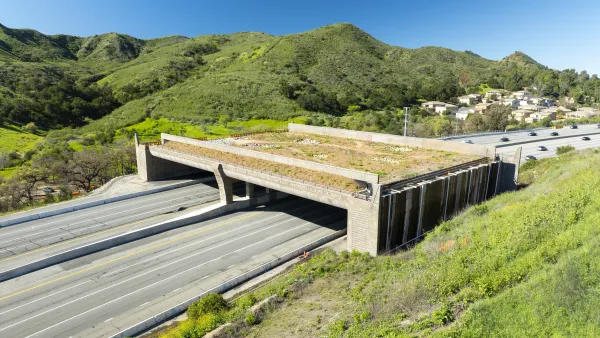
California invests $2.7 billion in over 150 transportation projects
The fund allocates money to transit upgrades and safety improvements to streets surrounding schools, among other ventures.
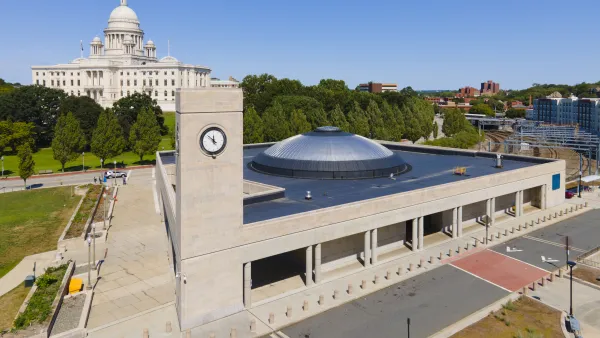
Providence train station to gain new bus hub
The new hub will replace the one currently located at Kennedy Plaza.
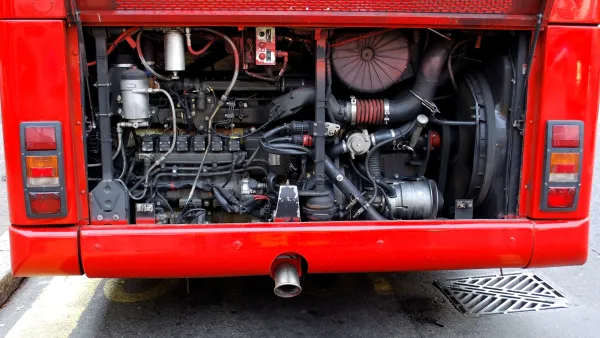
APTA Requests CDL Testing Change to Address Bus Operator Shortage
Eighty-four percent of U.S. transit agencies surveyed said CDL complexity was a hiring obstacle, with the “under-the-hood” requirement being the most challenging.

Amtrak, CN end decades-long dispute with eight-year agreement
The new operating agreement establishes an updated framework for the companies to work together, including processes to resolve disputes.

Judges permit Denver to divert 77,000 acre feet from the Colorado River for reservoir expansion
Overuse and climate change have caused the Colorado River’s water levels to plummet.
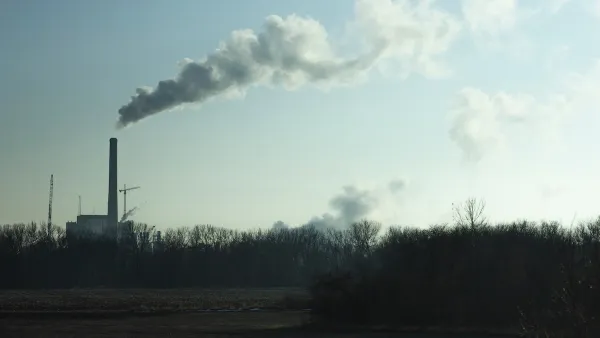
Nation's most wind-powered state turns to coal as data centers increase energy demand
For the first time in decades, Iowa has increased its generation of coal power.

Boston has spent millions making the Green Line more accessible — and there’s no end in sight
While the city has invested millions into expanding and adding platforms to the Green Line to make it more accessible, new train cars set to arrive next year will be too tall for disabled passengers to board without raising the current platforms.

Idaho may see an 18% drop in federal surface transit funding — the largest estimated cut in the US
Transit systems in rural communities are much more reliant on federal funding to provide their services.

How ‘post-disaster gentrification’ alters neighborhoods after natural calamities
After hurricanes, fires or other calamities, the original residents of a community are often replaced by younger, wealthier residents.

FREE Course: Walkable City 1: Why Walkability?
After describing his path towards focusing on walkability as the essence of good planning, Jeff Speck marches through his five principal reasons for making more walkable places.
Reinventing Malls: Planning Alchemy—Turning Gray Fields Into Gold
The course focuses on the opportunities and imperatives that shape reinvention of mall sites.

City of Wisconsin Rapids
Harvard University Graduate School of Design
KFH Group Inc.
The Architects Foundation
University of Cincinnati Online
The Pocatello Development Authority
The Urban Renewal Agency of the City of Pocatello