Downtown Los Angeles' Figueroa Corridor is getting two new high-rises, the "all" in the area's seemingly "all-or-nothing" approach to development, says Christopher Hawthorne.


The Figueroa Corridor, which city planners have long envisioned as a key connector downtown -- linking the USC campus, on its southern end, with Dodger Stadium to the north -- is a key case study in how that split personality is developed and exacerbated. It is a natural place for high-rise development, given its existing skyscrapers and links to mass transit. It will soon be getting at least two new residential towers: the first phase of the Concerto, a 30-story high-rise designed by DeStefano + Partners, and a 54-story hotel and condo building at L.A. Live, by Gensler.
But certain pockets of it remain filled by the same surface parking lots that dot much of downtown. Particularly south of L.A. Live, the area suffers from an extreme version of the all-or-nothing development approach that city leaders and most developers have long favored. There is almost no middle ground to be found between high-rise towers that take up full blocks at street level and empty swaths of land reserved for cars.
This approach prevents the emergence of the smaller-scale projects that can bring fresh vitality to a block -- and that may move forward even in a downturn, since they require drastically less financing. Such modest projects are also more likely to go to younger and more innovative architects.
FULL STORY: High-rises dwarf options for downtown L.A.

L.A.'s Downtown Building Boom Comes Up Short
A rising chorus of architects, urban planners and developers are criticizing the suburban scale of development sweeping through downtown L.A. as a missed opportunity. They argue high-rises should be built instead of mid-rise apartment complexes.
Why Are Condos Such a Tough Sell in LA?
As a number of luxury high-rise condo buildings struggle to sell their units, Alexei Barrionuevo looks at the difficulty of selling a high-density lifestyle in a city "where the seriously wealthy overwhelmingly prefer living in extravagant estates."
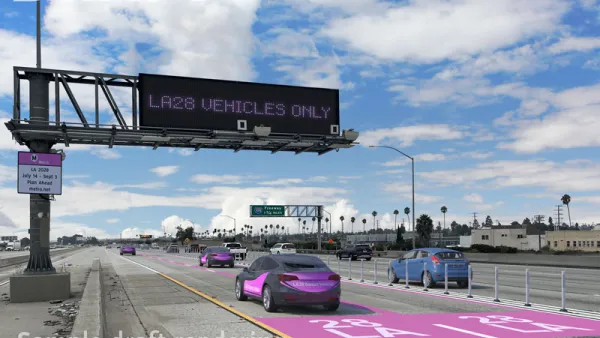
LA needs $2 billion in Olympic Games transportation funding by Sept. 1, officials say
Congresspeople who serve the Los Angeles area met on Aug. 26 to urge the Trump administration to speed up funding.

The state-sanctioned urbicide of Austin
People don’t kill cities. Freeways do.

US to reduce Colorado River water deliveries to Mexico
A new Colorado Treaty amendment reduces Mexico’s Colorado River water allocation by 250,000 acre feet.

New Jersey’s second-largest city bans standalone data centers
Jersey City will continue to allow co-location facilities, such as those meant for research institutions that store their own data.

Amtrak not solely to blame for New Jersey commuter rail's unreliability, report finds
A new study from the Garden State Initiative found that NJ Transit’s budget grew 20% across a 4 year period, but reliability declined significantly over the same period.

EPA erases limits on planet-warming pollution from power plants
Under Monday’s plan, power plants would still have some limits on how much mercury, arsenic and other contaminants they can emit.

Phoenix announces new on-demand transit service, more frequent RAPID buses
Both new services will launch in October, and are part of Phoenix's Project Effective Access Solutions for Easing Congestion.

FREE Course: Walkable City 1: Why Walkability?
After describing his path towards focusing on walkability as the essence of good planning, Jeff Speck marches through his five principal reasons for making more walkable places.
Reinventing Malls: Planning Alchemy—Turning Gray Fields Into Gold
The course focuses on the opportunities and imperatives that shape reinvention of mall sites.

Eagle County Government
Harvard University Graduate School of Design
Nashville Planning Department
The Architects Foundation
University of Cincinnati Online
The Pocatello Development Authority
The Urban Renewal Agency of the City of Pocatello
Journal of the American Planning Association