Pains of an imminent NYC transit fare hike and a recent article in the New York Times on bike theft/vandalism defeatism inspired me to validate the overwhelming perceived economic benefits of commuting by bike versus transit, despite the occasional theft. If frugal is the next big thing and green is the new black, then hop on a crappy old bike if you want to be hip.


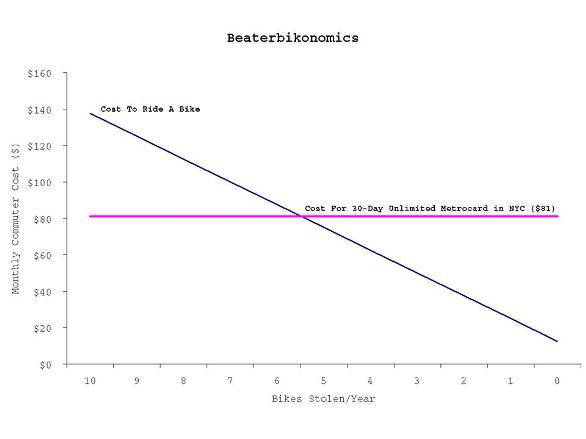
Pains of an imminent NYC transit fare hike and a recent article in the New York Times on bike theft/vandalism defeatism inspired me to validate the overwhelming perceived economic benefits of commuting by bike versus transit, despite the occasional theft. If frugal is the next big thing and green is the new black, then hop on a crappy old bike if you want to be hip. In the chart below, I compare the costs of commuting by transit assuming the regular purchase of a 30-day unlimited metro pass ($81 in NYC as of April 2009, but not for much longer) to commuting by beater-bike assuming the occasional theft. I checked the beloved craigslist for used bicycles and determined that one can find an acceptable replacement for $150 on average (lower if you've got the knack). I would say that used bikes in NYC are a bit pricey, but if you buy through a local community bike program (or start your own!) such as HoBiken in my hometown of Hoboken, NJ, you can smash this analysis. Anyway, if you think you can manage to keep your losses to less than 5 bikes per year, surrender your metrocard and start riding:

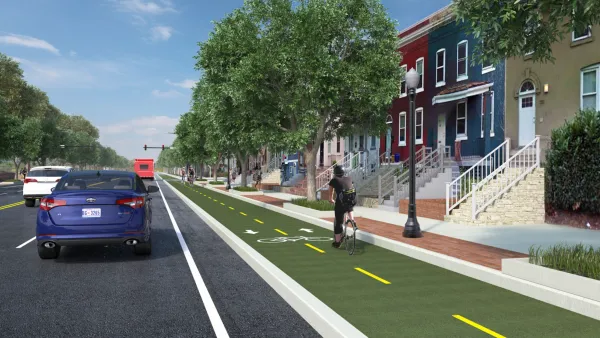
Bike Ridership Outpaces Infrastructure in D.C.
D.C.'s bike-sharing programs are gaining popularity, but the city's infrastructure might not be enough to support the new riders.
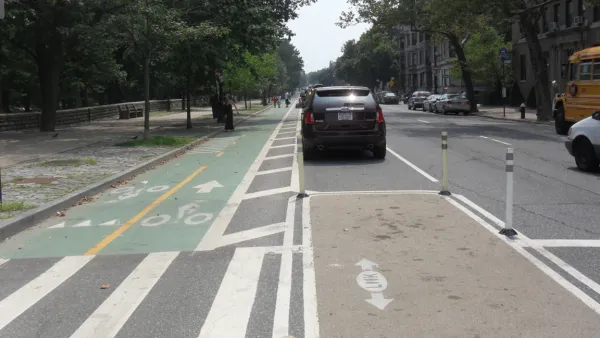
More Bicycle Infrastructure Equals More Riders
Analysis of Census data shows that, while still small in number, more Americans are taking to two-wheels as part of their daily commute.

The New Wonder Drug? Cycling, Some Advocates Say
Cycling has positive impacts both for cyclists and non-cyclists alike, helping to reduce pollution and congestion and improving health and economic factors with just two wheels.

Planetizen Federal Action Tracker
A weekly monitor of how Trump’s orders and actions are impacting planners and planning in America.

The state-sanctioned urbicide of Austin
People don’t kill cities. Freeways do.

US to reduce Colorado River water deliveries to Mexico
A new Colorado Treaty amendment reduces Mexico’s Colorado River water allocation by 250,000 acre feet.

5 New England states march closer to 800 megawatt wind energy project
Securing federal approval for the project may be complicated under the Trump administration, which has historically been hostile towards domestic wind power.

Baltimore to break ground on $50 million Transit Priority Project
The project will bring faster bus trips, safer streets and better bike connections to Baltimore.

Airbnb launches $250 million 'last-dollar financing' housing accelerator, makes first investment in Austin
The company will put $6.4 million towards affordable housing development in Texas’ capital.

FREE Course: Walkable City 1: Why Walkability?
After describing his path towards focusing on walkability as the essence of good planning, Jeff Speck marches through his five principal reasons for making more walkable places.
Reinventing Malls: Planning Alchemy—Turning Gray Fields Into Gold
The course focuses on the opportunities and imperatives that shape reinvention of mall sites.

Eagle County Government
Harvard University Graduate School of Design
Nashville Planning Department
The Architects Foundation
University of Cincinnati Online
The Pocatello Development Authority
The Urban Renewal Agency of the City of Pocatello
Journal of the American Planning Association

