One resident finds it surprisingly easy to live on Milwaukee's East Side without a car.


Milwaukee, a small, cold city without gold-standard public transportation, is probably not considered by many to be an obvious place to go car-free. However, this Sunday's Journal Sentinel highlights the ease with which one resident, who lives on the dense and walkable East Side, has managed to give up her car.
"I bike and walk almost everywhere. I've lost 14 pounds, causing one friend to declare this 'the car-free diet.'
I've got a new street-level perspective. I've noticed housing styles (the bungalows in Bay View, Polish flats near Brady St. and the brightly painted Victorians on Oakland between Brady and North) and the way some homes' landscaping reflects the seasons...
As my only transportation cost now is the occasional bus ticket to leave the east side or putting gas into the borrowed car, I've saved a lot of money by not having a car.
According to AAA's national office, it costs an average of $672 per month to maintain and pay for a car. You can save more than $8,000 a year by taking mass transit, says an American Public Transportation report released in July."
Thanks to Franny Ritchie
FULL STORY: Car-less on the East Side

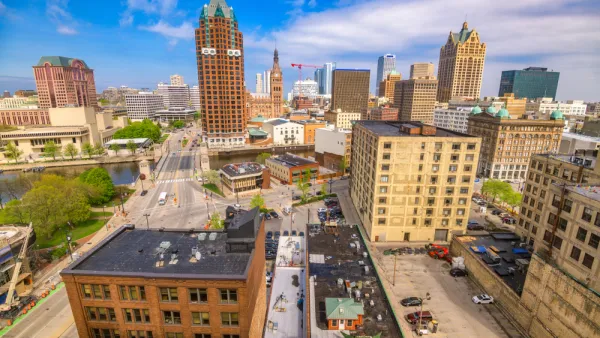
Pedestrian Plan Takes Big Step Forward in Milwaukee
There is still political work to do, and questions to be answered about funding, but a new pedestrian plan for the city of Milwaukee has cleared a key council committee.
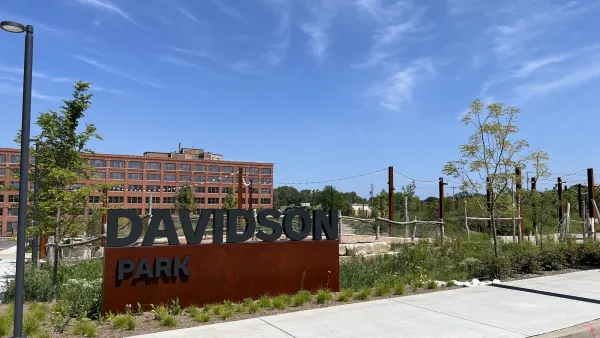
Harley-Davidson turned a Milwaukee parking lot into a green oasis
The park, adjacent to Harley-Davidson headquarters, doubles as stormwater retention infrastructure.
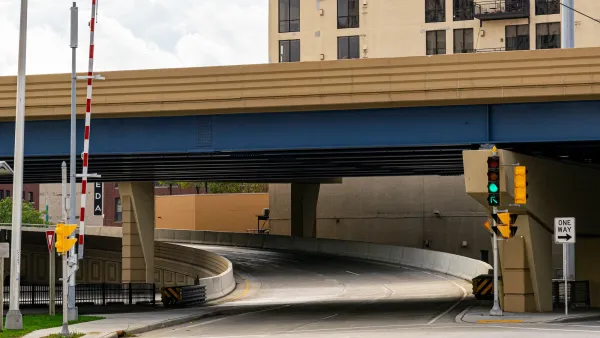
Milwaukee mayor abandons highway removal plan
Mayor Johnson spoke in opposition to a proposed plan to turn part of I-794 into an at-grade boulevard, expressing concerns about traffic.

Planetizen Federal Action Tracker
A weekly monitor of how Trump’s orders and actions are impacting planners and planning in America.

The state-sanctioned urbicide of Austin
People don’t kill cities. Freeways do.

US to reduce Colorado River water deliveries to Mexico
A new Colorado Treaty amendment reduces Mexico’s Colorado River water allocation by 250,000 acre feet.

5 New England states march closer to 800 megawatt wind energy project
Securing federal approval for the project may be complicated under the Trump administration, which has historically been hostile towards domestic wind power.

Baltimore to break ground on $50 million Transit Priority Project
The project will bring faster bus trips, safer streets and better bike connections to Baltimore.

Airbnb launches $250 million 'last-dollar financing' housing accelerator, makes first investment in Austin
The company will put $6.4 million towards affordable housing development in Texas’ capital.

FREE Course: Walkable City 1: Why Walkability?
After describing his path towards focusing on walkability as the essence of good planning, Jeff Speck marches through his five principal reasons for making more walkable places.
Reinventing Malls: Planning Alchemy—Turning Gray Fields Into Gold
The course focuses on the opportunities and imperatives that shape reinvention of mall sites.

Eagle County Government
Harvard University Graduate School of Design
Nashville Planning Department
The Architects Foundation
University of Cincinnati Online
The Pocatello Development Authority
The Urban Renewal Agency of the City of Pocatello
Journal of the American Planning Association