Technological issues with the handheld computers to be used in the U.S. Census Bureau's 2010 Census have frustrated officials and have them considering a plan to return to the traditional paper and pencil counting method of years past.


Big worries for the nation's first high-tech census should have been obvious when tests showed some of the door-to-door headcounters couldn't figure out their fancy new handheld computers.
Now, officials say, technology problems could add as much as $2 billion to the cost of the 2010 census and jeopardize the accuracy of the nation's most important survey.
Census officials are considering a return to using paper and pencil to count every man, woman and child in the nation.
At an initial cost of more than $11 billion, the 2010 census was already the most expensive ever. Officials now are scrambling to hold down costs while trying to ensure the count produces reliable population numbers -- figures that will be used to apportion seats in Congress and divvy up more than $300 billion a year in federal and state funding.
Read the full story: Fancy computers spell trouble for 2010 census
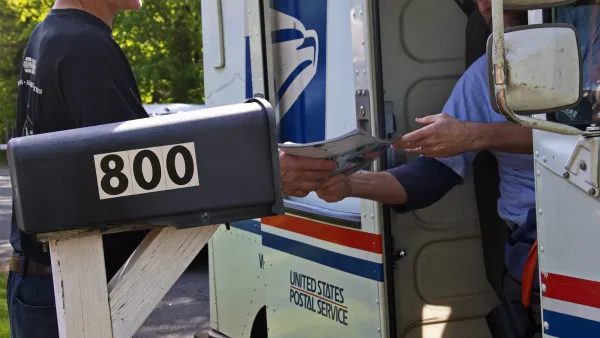
US Census Starts Using Postal Workers as Census Takers
A test program is using postal carriers to administer Census questionnaires.
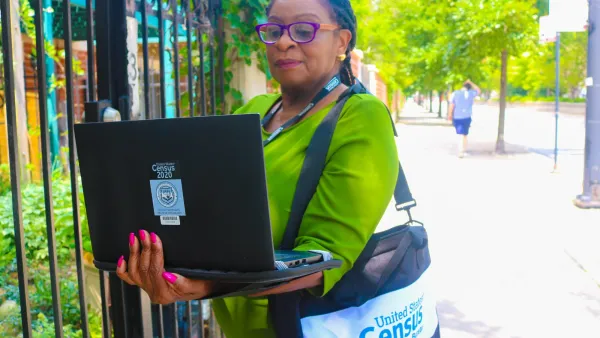
Census Undercount Will Have Long-Lasting Repercussions
An undercount is likely this year, particularly in communities that are traditionally underrepresented. As a result, cities will not have access to crucial federal funds over the next decade.
Trump Decides to Cut the 2020 Census Short
The pandemic delayed the 2020 Census, and the Trump administration will cut it short. Experts say this could be the most flawed Census in the country's history.

Planetizen Federal Action Tracker
A weekly monitor of how Trump’s orders and actions are impacting planners and planning in America.

California plans to bury El Niño’s downpour
If the state plays its cards right, it may be able to store a billion acre-feet of El Niño’s water in aquifers.

Desperate measures: Advocates weigh draining Lake Powell to fill Colorado River
Draining the reservoir could reduce evaporation losses by a couple hundred thousand acre-feet.

US buildings threatened, destroyed by fires set to triple by 2060
Researchers found a high fire risk for socioeconomically vulnerable neighborhoods in the American West.

LA residents may be allowed to paint their own crosswalks
Councilwoman Katy Yaroslavsky put out a motion instructing the Los Angeles Department of Public Transportation to study the feasibility of allowing volunteers to paint crosswalks.

Dallas moves to overhaul its zoning code
The city's zoning reform will allow more multi-family and mixed-use developments.

FREE Course: Walkable City 1: Why Walkability?
After describing his path towards focusing on walkability as the essence of good planning, Jeff Speck marches through his five principal reasons for making more walkable places.
Reinventing Malls: Planning Alchemy—Turning Gray Fields Into Gold
The course focuses on the opportunities and imperatives that shape reinvention of mall sites.

City of Rosemead
Rutgers University, Edward J. Bloustein School of Planning and Public Policy
One Hundred Miles
Hunter College, City University of New York (CUNY)
The Architects Foundation
University of Cincinnati Online
City of Cambridge
Montrose County
The Pocatello Development Authority