A bill in the U.S. House of Representatives aims to build or rehabilitate 1.5 million affordable homes in the next 10 years. Housing advocates say this is the first step towards solving a growing problem.


"The number of households spending more than half their income on housing has risen sharply – up 1.2 million to 17 million from 2004 to 2005. Owners and renters, middle-income and poor, 1 in 7 households carry this burden – most of them low-income Americans, according to a June report by the Joint Center for Housing Studies at Harvard University's Kennedy School of Government."
"The data cover a time before the slump really slouched, but the affordability problem will continue, the center's researchers believe. As the ownership market softens, the rental market tightens, and that especially hurts poor families and seniors. Incomes have stagnated or declined, and job growth is more in lower and higher paying jobs – less in the middle ones. State and federal resources pale next to the problem."
"The House Financial Services Committee will hold a hearing next week on a bill that's a significant new federal effort at affordable housing. The legislation, introduced by Democrat Barney Frank of Massachusetts, aims to build, preserve, or rehab 1.5 million housing units over the next 10 years."
"That's a little less than half of what's needed, according to housing advocates, but the bill wisely builds on lessons learned over decades – for instance, favoring mixed-income developments over isolated poor areas, and placing housing near jobs and transport to buttress earning power."
Read the full story: Affordable housing – a rehab plan


Planetizen Federal Action Tracker
A weekly monitor of how Trump’s orders and actions are impacting planners and planning in America.

Colorado’s Largest Data Center Could Rise Next to Homes — Without a Public Hearing
The proposed campus would consume 11 times the power of Denver International Airport; as it has across the country, opposition mounts.

US to reduce Colorado River water deliveries to Mexico
A new Colorado Treaty amendment reduces Mexico’s Colorado River water allocation by 250,000 acre feet.
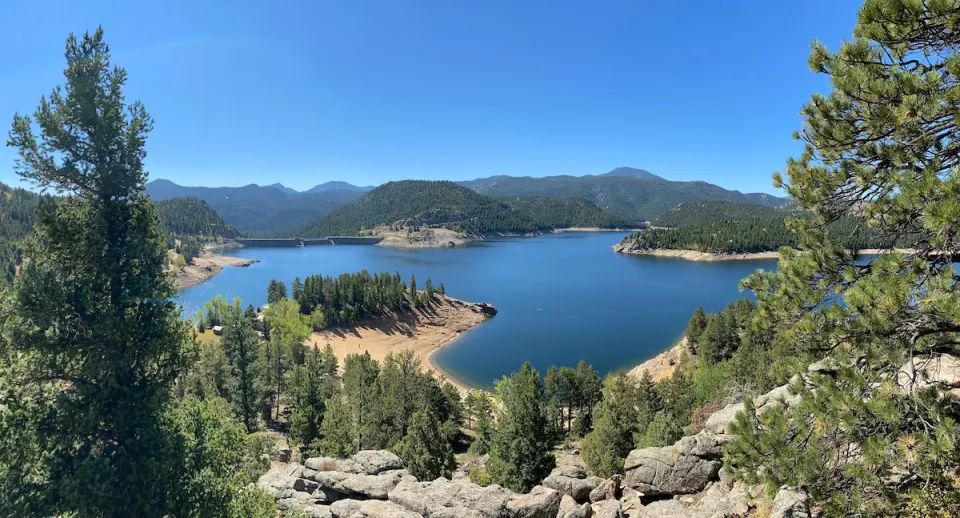
Judges permit Denver to divert 77,000 acre feet from the Colorado River for reservoir expansion
Overuse and climate change have caused the Colorado River’s water levels to plummet.
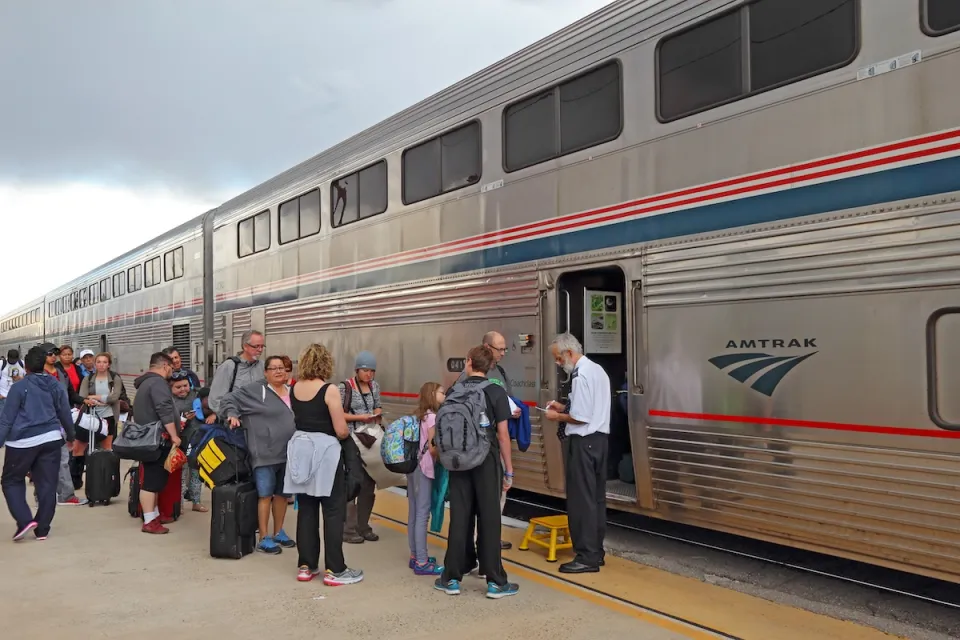
Amtrak, CN end decades-long dispute with eight-year agreement
The new operating agreement establishes an updated framework for the companies to work together, including processes to resolve disputes.

Raised interest rates may kill financially vulnerable construction projects
The chief economist at ConstructConnect warns that if construction project owners are negatively impacted by the raised rates, it could result in delayed payments to contractors.

FREE Course: Walkable City 1: Why Walkability?
After describing his path towards focusing on walkability as the essence of good planning, Jeff Speck marches through his five principal reasons for making more walkable places.
Reinventing Malls: Planning Alchemy—Turning Gray Fields Into Gold
The course focuses on the opportunities and imperatives that shape reinvention of mall sites.

KFH Group Inc.
Greater Baltimore Committee
Eagle County Government
The Architects Foundation
University of Cincinnati Online
The Pocatello Development Authority
The Urban Renewal Agency of the City of Pocatello