With one of the worst air quality ratings in the nation, metropolitan Phoenix is looking to reduce its pollution. Part of a new clean air plan targets the construction industry, which produces much of the dust that affects air quality.


"On construction sites where more than 50 acres of land will be disturbed, someone there must be the designated 'dust manager.'"
"This regulation is on a list of 41 measures that may soon be required of businesses and residents in Phoenix, Scottsdale, Mesa, and other communities within America's fastest-growing county. More measures may be added in the months ahead, but that's the blueprint as of Wednesday evening, when the regional Maricopa Association of Governments (MAG) approved the cleanup plan."
"'Construction sites contribute most of the particles into the atmosphere,' says Joe Fernando, a professor at Arizona State University in Tempe who works on particle dispersion problems. 'It is realistic [and] possible to reduce those.'"
"The good news is that California's San Joaquin Valley, the other region to fall under the Five Percent Plan because of particulate matter, has shown that dust-reduction measures can work. Moreover, the topography there resembles that of metropolitan Phoenix – a valley surrounded by mountains that trap the dirty air within."
Read the full story: Fast-growing Phoenix, beset by dirty air, targets construction in cleanup plan


Planetizen Federal Action Tracker
A weekly monitor of how Trump’s orders and actions are impacting planners and planning in America.

The state-sanctioned urbicide of Austin
People don’t kill cities. Freeways do.

US to reduce Colorado River water deliveries to Mexico
A new Colorado Treaty amendment reduces Mexico’s Colorado River water allocation by 250,000 acre feet.

Nation's most wind-powered state turns to coal as data centers increase energy demand
For the first time in decades, Iowa has increased its generation of coal power.
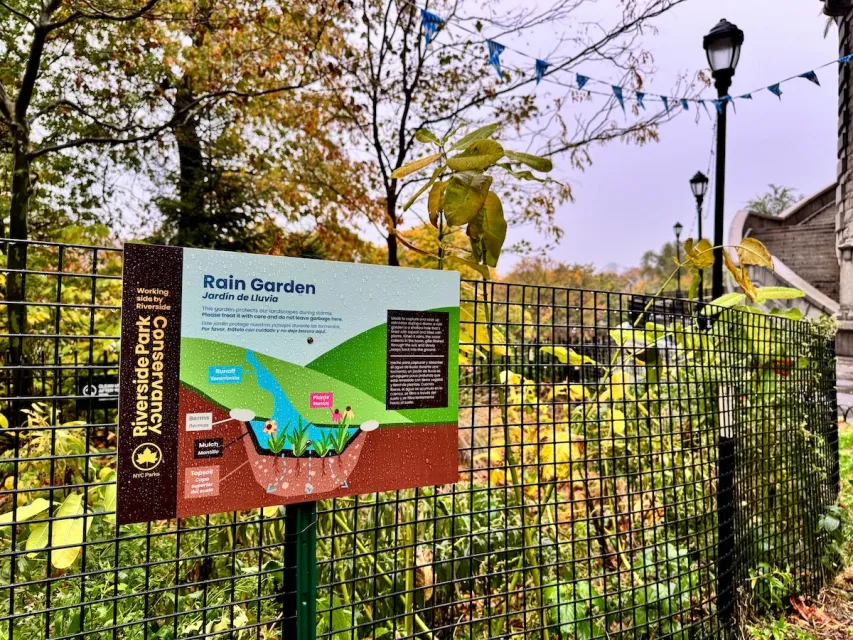
NYC cools commuters with city's first rain garden above a bus stop
New York City officials say the plants in the rain garden can absorb 16 gallons of rainwater during heavy storms.

Brightline West’s future may rely on $6 billion federal loan
The company has until Nov. 2 to make a $400 million equity investment into its proposed high-speed rail line.

FREE Course: Walkable City 1: Why Walkability?
After describing his path towards focusing on walkability as the essence of good planning, Jeff Speck marches through his five principal reasons for making more walkable places.
Reinventing Malls: Planning Alchemy—Turning Gray Fields Into Gold
The course focuses on the opportunities and imperatives that shape reinvention of mall sites.

Greater Baltimore Committee
Eagle County Government
Harvard University Graduate School of Design
The Architects Foundation
University of Cincinnati Online
The Pocatello Development Authority
The Urban Renewal Agency of the City of Pocatello
Journal of the American Planning Association