Hawaii's housing boom and other factors like high rents and a shortage of developable land mean that housing is often out of reach for the state's working poor. As a result, Hawaii has one of the nation's largest homeless populations.


"Roughly 6,000 people in the state are without permanent shelter, according to Hawaii's Homeless Programs Division. That's nearly double the number without homes in 1999. Increasingly, this population consists of working families with children."
"One big factor behind Hawaii's homelessness is the housing boom that swept across the U.S. Run-ups in home prices displaced families nationwide, but the problem in Hawaii -- where land costs are more than five times the national average -- is particularly acute...Median rents in Hawaii are (also) currently the highest in the nation."
"Hawaii, whose current population is about 1.3 million, needs affordable housing to attract and retain service workers amid a tight labor market." Even so, "nearly 16,000 people are on the state's public-housing waiting list, which typically turns over every three to six years. The waiting time is one to two years for some housing candidates, including homeless families living in shelters."
[Editor's note: Although this article is only available to WSJ subscribers, it is available to Planetizen readers for free through the link below for a period of seven days.]
Read the full story: Hawaii's Housing Boom Takes a Toll on the Homeless


Planetizen Federal Action Tracker
A weekly monitor of how Trump’s orders and actions are impacting planners and planning in America.

Data reveals that NYC’s bet on congestion pricing has paid off
After almost two years of the program, reports show positive impacts on traffic and air quality and no disruptions to parking.
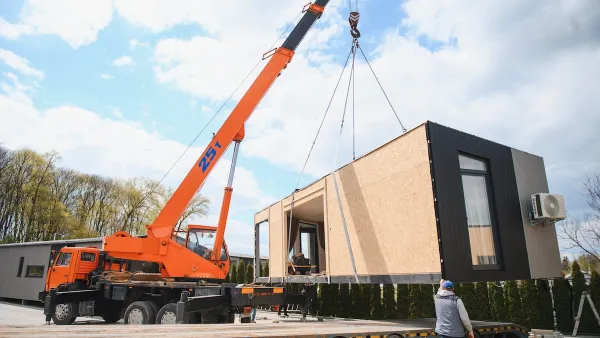
HUD modernizes 50-year-old manufactured housing framework
The Next Generation Manufactured Housing Action Plan establishes new energy-efficiency standards for manufactured homes, and new guidelines for anchoring them.

Yet again, Seattle’s density zoning update is hit with delays
The city must now examine the ‘maximum possible development’ under a future zoning scenario, rather than the ‘maximum likely development.’

In the heart of suburbia, a Utah developer is building a high-density downtown from scratch
The project faces criticism from some city council members, who say the private developer is using taxpayer dollars to turn a profit.

California voters weigh $11.25 billion housing bond
Prop. 1, combined with other funding, would support over 40,000 new rental units in California.

FREE Course: Walkable City 1: Why Walkability?
After describing his path towards focusing on walkability as the essence of good planning, Jeff Speck marches through his five principal reasons for making more walkable places.
Reinventing Malls: Planning Alchemy—Turning Gray Fields Into Gold
The course focuses on the opportunities and imperatives that shape reinvention of mall sites.

One Hundred Miles
County of Mendocino
planning NEXT
The Architects Foundation
University of Cincinnati Online
Montrose County
Northern Illinois Transit Authority (NITA)
The Pocatello Development Authority