Sioux Falls, South Dakota, population 137,000, has been named by Allstate Insurance as the safest city for driving in the nation. Washington D.C. is rated the worst city for driving.


The largest city in South Dakota moves up from the number two spot on last year's report from Allstate Insurance Company -- replacing Cedar Rapids, Iowa, whose drivers are parked in the number three position on this year's list.
This ranking of the best drivers in the 200 largest cities in America revealed that the average driver in Sioux Falls will experience an auto collision every 14.3 years, compared to the national likelihood of a crash every 10 years â€" making them 30 percent less likely to have an accident than the national average.
Following Sioux Falls on the list were Fort Collins, Coloardo.; Cedar Rapids, Iowa; Huntsville, Alabama; Chattanooga, Tennessee; Knoxville, Tennessee; Des Moines, Iowa; Milwaukee, Wisconsin; Colorado Springs, Colorado; and Warren, Michigan.
Sioux Falls drivers jumped to the number one spot in this year's report. However, Iowa, Tennessee and Colorado stand out as also being home to some of the country's safest drivers. Two cities from each state drive into the top 10 on Allstate's list â€" similar to the inaugural report findings in 2005. Midwestern drivers also appear to heed the safety call. Five out of the 10 top cities are in America's heartland, according to the report.
For the second consecutive year, drivers in Phoenix are the safest big city commuters according to Allstate. Drivers in Phoenix can expect to bump into another vehicle on the roadway every 9.7 years â€" slightly more frequent than the national average. A big apple a day apparently keeps the insurance adjuster away in New York. NYC moves to number three on Allstate's breakout list of cities with populations greater than 1 million people.
Motorists in Newark, N.J., were most at risk, according to the study, averaging an accident once every five years. Washington, D.C., was second-to-last at 5.1 years.
When do crashes happen? According to the National Highway Traffic Safety Administration Traffic Facts , more crashes occur on Saturdays than any other day of the week. Sunday ranked second and Friday came in third. Additionally, most collisions happen between 3 and 6 p.m. From 6 to 9 p.m. ranked second and 9 p.m. to midnight finished third. The fewest crashes occur between midnight and 3 a.m.
Thanks to AutoBlog
Read the full story: Study: Sioux Falls is safest driving city


Planetizen Federal Action Tracker
A weekly monitor of how Trump’s orders and actions are impacting planners and planning in America.

Amtrak, CN end decades-long dispute with eight-year agreement
The new operating agreement establishes an updated framework for the companies to work together, including processes to resolve disputes.

Colorado’s Largest Data Center Could Rise Next to Homes — Without a Public Hearing
The proposed campus would consume 11 times the power of Denver International Airport; as it has across the country, opposition mounts.

'This is going to be painful:’ Virginia stares down $1.7 billion funding gap for highway maintenance
The state may address the deficit by shifting $290 million from its construction budget to maintenance projects.
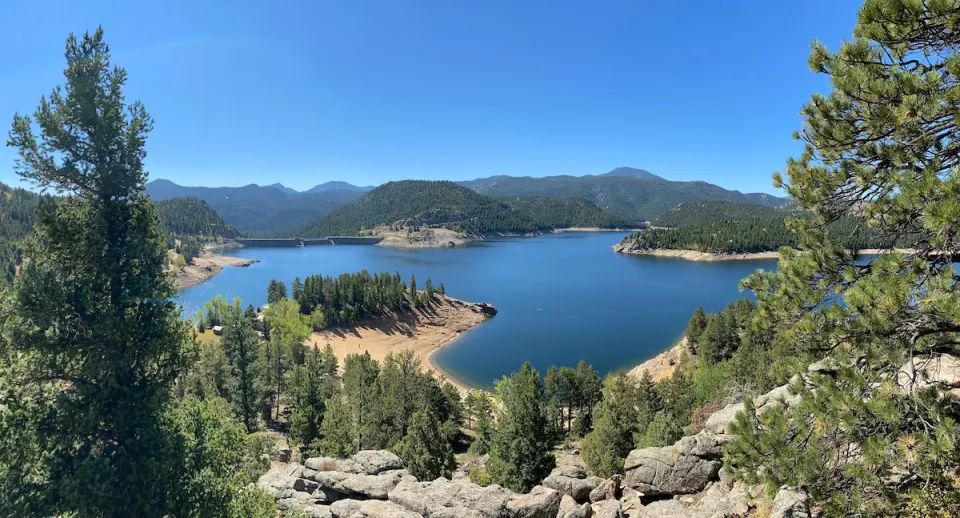
Judges permit Denver to divert 77,000 acre feet from the Colorado River for reservoir expansion
Overuse and climate change have caused the Colorado River’s water levels to plummet.
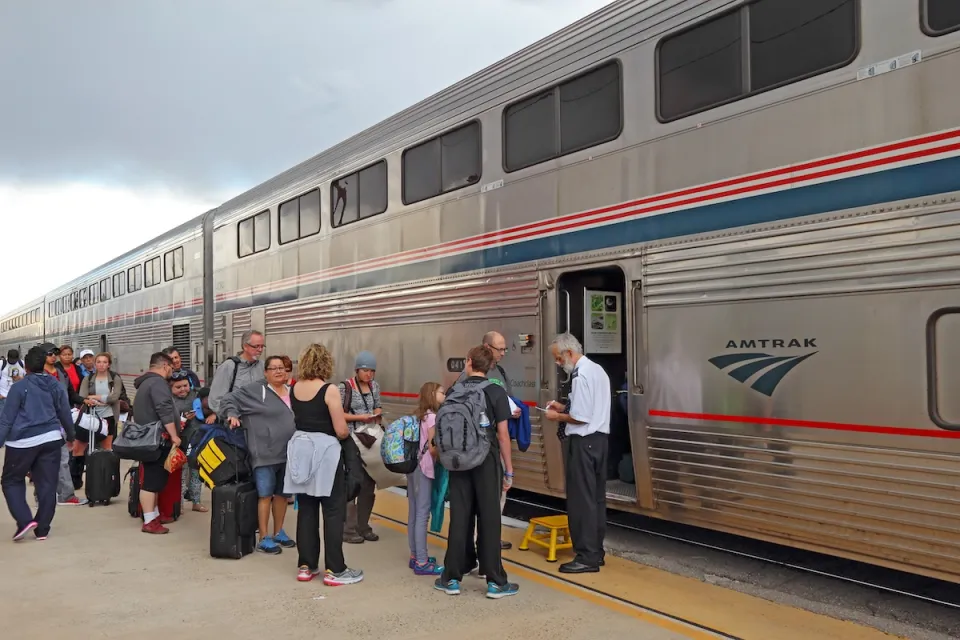
Amtrak, CN end decades-long dispute with eight-year agreement
The new operating agreement establishes an updated framework for the companies to work together, including processes to resolve disputes.

FREE Course: Walkable City 1: Why Walkability?
After describing his path towards focusing on walkability as the essence of good planning, Jeff Speck marches through his five principal reasons for making more walkable places.
Reinventing Malls: Planning Alchemy—Turning Gray Fields Into Gold
The course focuses on the opportunities and imperatives that shape reinvention of mall sites.

KFH Group Inc.
Greater Baltimore Committee
Eagle County Government
The Architects Foundation
University of Cincinnati Online
The Pocatello Development Authority
The Urban Renewal Agency of the City of Pocatello