An unlikely partnership between community gardeners and local prison inmates will help feed the over one fifth of the city living below the poverty line.


The "...innovative new program started earlier this month by the Pennsylvania Horticultural Society [is] called City Harvest, which will provide a small but steady stream of free and fresh produce to Philadelphia's poorest neighborhoods."
"The program is linking [one inmate], who works in a greenhouse with four other inmates in the prison system's job-training program, with 21 of the city's community gardens and a network of about 15 food cupboards in neighborhoods like Fairhill, Allegheny West, Poplar and Yorktown. The ultimate goal is to funnel about 7,000 pounds of fresh lettuce, broccoli, tomatoes and other produce to families in each of the next two growing seasons."
Read the full story: The Green Payback


Planetizen Federal Action Tracker
A weekly monitor of how Trump’s orders and actions are impacting planners and planning in America.

Data reveals that NYC’s bet on congestion pricing has paid off
After almost two years of the program, reports show positive impacts on traffic and air quality and no disruptions to parking.
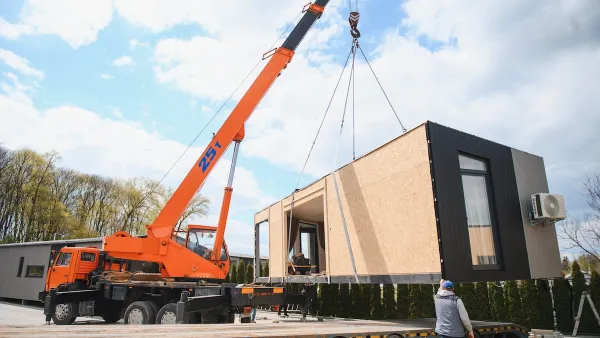
HUD modernizes 50-year-old manufactured housing framework
The Next Generation Manufactured Housing Action Plan establishes new energy-efficiency standards for manufactured homes, and new guidelines for anchoring them.

Who pays when a remote Alaska village can no longer stay?
A year after ex-Typhoon Halong, the struggle for two communities to find safer ground has become part of a national debate over who should bear the costs of the climate crisis.

Florida could lose billions in funding for infrastructure, parks
If Amendment 3 passes, Miami-Dade would lose about $445 million annually by fiscal year 2028-29.

New Mexico spent millions drafting climate goals. Data centers are unraveling them
Three data centers in New Mexico and El Paso will release more emissions yearly than 2 million cars in the same timeframe.

FREE Course: Walkable City 1: Why Walkability?
After describing his path towards focusing on walkability as the essence of good planning, Jeff Speck marches through his five principal reasons for making more walkable places.
Reinventing Malls: Planning Alchemy—Turning Gray Fields Into Gold
The course focuses on the opportunities and imperatives that shape reinvention of mall sites.

Rutgers University, Edward J. Bloustein School of Planning and Public Policy
One Hundred Miles
County of Mendocino
The Architects Foundation
University of Cincinnati Online
Montrose County
Northern Illinois Transit Authority (NITA)
The Pocatello Development Authority