American love to live on the coast and they won't let nature stop them.


"Scientists and environmentalists have cautioned for years that the nation's coastline is dangerously overbuilt. But with Americans migrating in increasing numbers to coastal counties, construction only accelerated, and local officials increasingly relied on technology and luck to forestall catastrophe.
The development pressure comes from one immutable fact: Americans love waterfront property. And the federal government has fueled that love through flood insurance that minimizes its risks and by paying for infrastructure such as bridges and roads that makes it more accessible...
For much of the 20th century, the coastal areas were dominated by the poor and working class. Wealthy and middle-class Americans did not start moving there until the long lull after Hurricane Camille in 1969, when there was a demographic explosion...
The federal government also paid prodigious sums in flood insurance claims to property owners who had insisted on building in harm's way...
Scientists suggest that Gulf Coast officials should ban new building on barrier islands, require setbacks for all coastal development, and perhaps refuse to reconstruct a bridge or two. But they doubt that will happen."
Read the full story: The Lure of Coastal Life Outweighs The Risks


Planetizen Federal Action Tracker
A weekly monitor of how Trump’s orders and actions are impacting planners and planning in America.

The state-sanctioned urbicide of Austin
People don’t kill cities. Freeways do.

Colorado’s Largest Data Center Could Rise Next to Homes — Without a Public Hearing
The proposed campus would consume 11 times the power of Denver International Airport; as it has across the country, opposition mounts.
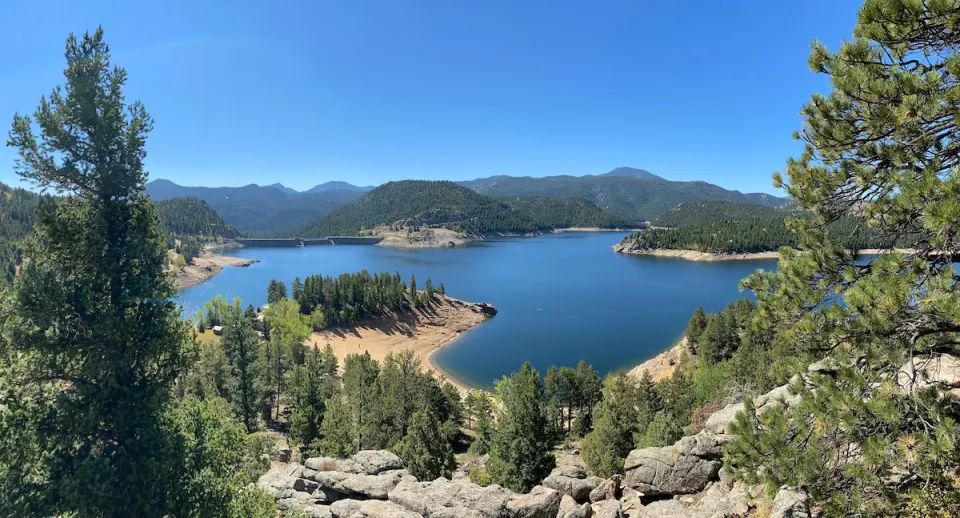
Judges permit Denver to divert 77,000 acre feet from the Colorado River for reservoir expansion
Overuse and climate change have caused the Colorado River’s water levels to plummet.
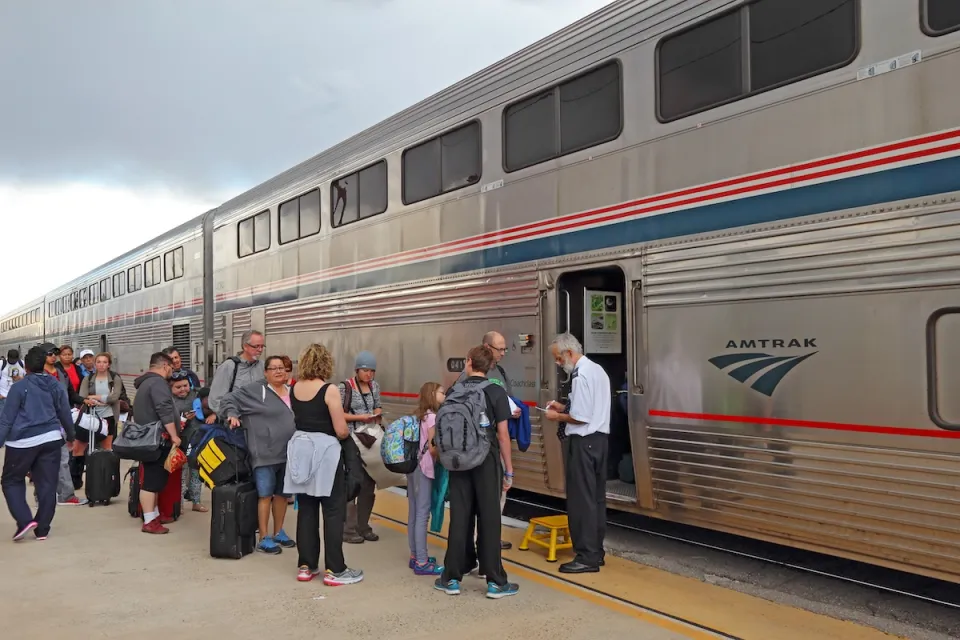
Amtrak, CN end decades-long dispute with eight-year agreement
The new operating agreement establishes an updated framework for the companies to work together, including processes to resolve disputes.
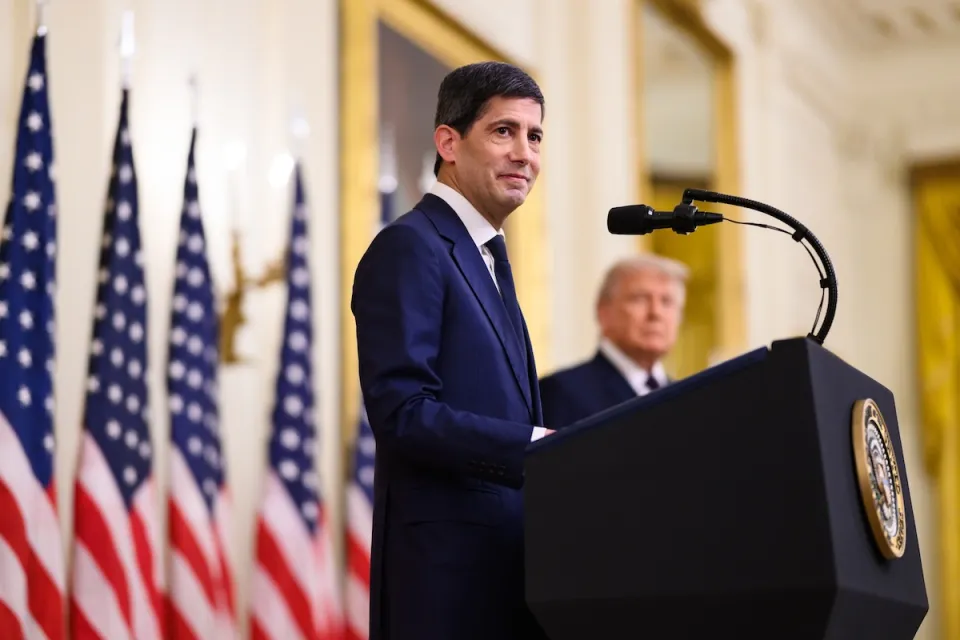
Raised interest rates may kill financially vulnerable construction projects
The chief economist at ConstructConnect warns that if construction project owners are negatively impacted by the raised rates, it could result in delayed payments to contractors.

FREE Course: Walkable City 1: Why Walkability?
After describing his path towards focusing on walkability as the essence of good planning, Jeff Speck marches through his five principal reasons for making more walkable places.
Reinventing Malls: Planning Alchemy—Turning Gray Fields Into Gold
The course focuses on the opportunities and imperatives that shape reinvention of mall sites.

Greater Baltimore Committee
Eagle County Government
Harvard University Graduate School of Design
The Architects Foundation
University of Cincinnati Online
The Pocatello Development Authority
The Urban Renewal Agency of the City of Pocatello
Journal of the American Planning Association