FDOT argues the private sector is already building out the state's fast-charging infrastructure, so the state could redirect those funds elsewhere.



The Florida Department of Transportation wants to redirect $198 million in federal funds awarded for fast electric vehicle chargers under the National Electric Vehicle Infrastructure program to building landing pads for aerial taxis instead, reports Darius Popa in The Next Web.
"Each vertiport would cost roughly six million dollars, and the proposed locations include luxury apartment buildings, golf courses, military bases, and airports." However, eVTOLs have not been approved by the FAA for commercial service anywhere in the United States.
FDOT says the private sector has sufficiently built out the state's EV charging network, which stands at 452 fast charging stations. If the state surpasses a federally mandated threshold, it is allowed to redirect the funds, Popa notes. "But NEVI was designed to fill gaps the private sector overlooks, particularly in rural areas where charging stations may not turn quick profits." Florida has used almost none of its NEVI funds, even though the state is second in the nation in EV registrations.
Read the full story: Florida wants to spend $198 million in federal EV charger money on air taxi landing pads


DC light poles will soon charge your electric car
The city awarded three grants to companies that will install more publicly available EV chargers.
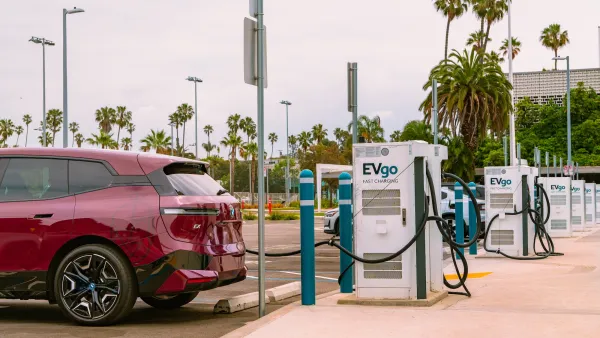
California Beats EV Adoption Goal by Over 1 Million Vehicles
The state pledged to put 1.5 million EVs on its roads by 2025.
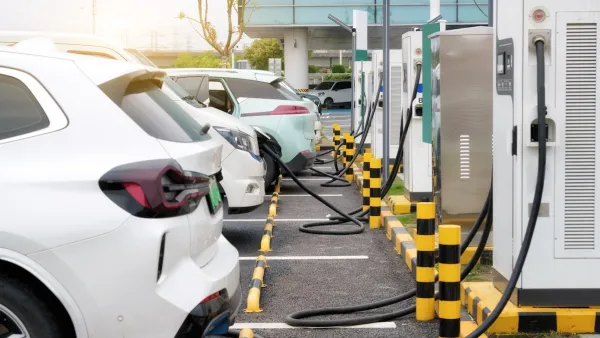
USDOT Issues New Rules for EV Charging Grants After Judge Forces Administration to Unfreeze Funds
The Trump administration is reviving the National Electric Vehicle Infrastructure program, revising its guidelines to eliminate consumer protections, environmental reviews, labor standards, and other provisions from the Biden-era program.

Planetizen Federal Action Tracker
A weekly monitor of how Trump’s orders and actions are impacting planners and planning in America.

Amtrak, CN end decades-long dispute with eight-year agreement
The new operating agreement establishes an updated framework for the companies to work together, including processes to resolve disputes.

Colorado’s Largest Data Center Could Rise Next to Homes — Without a Public Hearing
The proposed campus would consume 11 times the power of Denver International Airport; as it has across the country, opposition mounts.

'This is going to be painful:’ Virginia stares down $1.7 billion funding gap for highway maintenance
The state may address the deficit by shifting $290 million from its construction budget to maintenance projects.

Judges permit Denver to divert 77,000 acre feet from the Colorado River for reservoir expansion
Overuse and climate change have caused the Colorado River’s water levels to plummet.
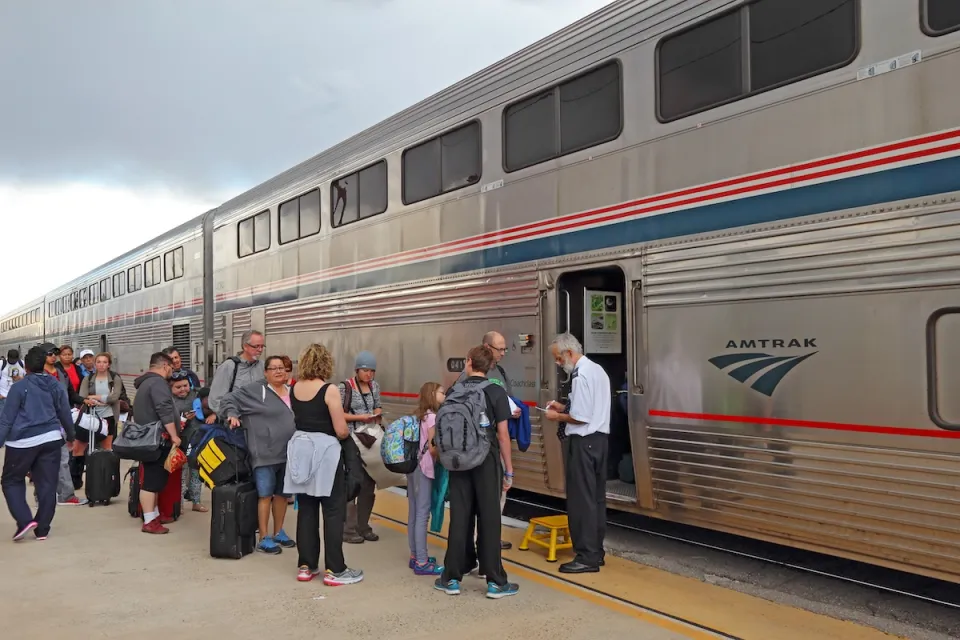
Amtrak, CN end decades-long dispute with eight-year agreement
The new operating agreement establishes an updated framework for the companies to work together, including processes to resolve disputes.

FREE Course: Walkable City 1: Why Walkability?
After describing his path towards focusing on walkability as the essence of good planning, Jeff Speck marches through his five principal reasons for making more walkable places.
Reinventing Malls: Planning Alchemy—Turning Gray Fields Into Gold
The course focuses on the opportunities and imperatives that shape reinvention of mall sites.

KFH Group Inc.
Greater Baltimore Committee
Eagle County Government
The Architects Foundation
University of Cincinnati Online
The Pocatello Development Authority
The Urban Renewal Agency of the City of Pocatello