Gaps in accessibility, placement and functionality highlight the importance of regular inspections and maintenance.


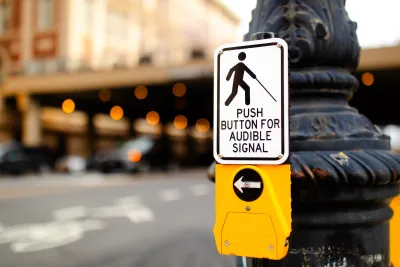
After the city of Chicago was required to install accessible pedestrian signals to comply with the Americans with Disabilities Act, the city accomplished the "primary goal" of installing 70 or more signals in the first year, installing them at 78 intersections.
But as Lori Tobias reports in Smart Cities Dive, none of the intersections inspected by an independent monitor were "fully compliant with technical APS requirements." APS signals were improperly placed and had issues with functionality, maintenance and accessibility.
The monitor also recommended "stronger documentation, clearer public reporting, additional training for city staff and contractors, prompt correction of deficiencies and continued coordination for technical compliance."
The city must bring 71% of its 2,800 signalized intersections into compliance within 10 years and 100% into compliance in 15 years.
Read the full story: Accessible pedestrian signal rollout in Chicago ahead of targets, but technical gaps persist: report

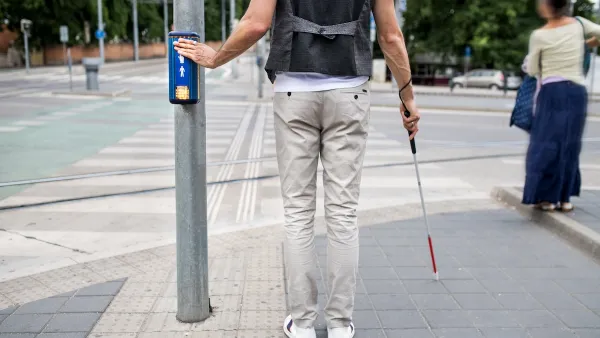
Chicago Judge Orders Thousands of Accessible Ped Signals
Only 3% of the city's crossing signals are currently accessible to blind pedestrians.
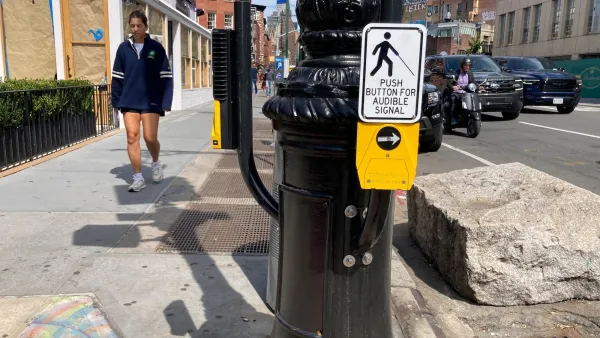
90% of NYC Intersections Lack Audible Crossing Signals for Blind Pedestrians
People with vision impairments rely on a complex network of tactile and audible signals to navigate cities.
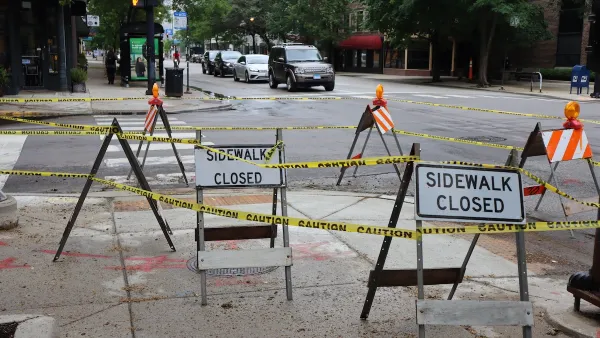
Chicago Residents Sue City Over Inaccessible Sidewalks
The suit alleges the city has failed to create a “coordinated, proactive system” for complying with ADA and ensuring accessibility on the city’s sidewalks and crosswalks.

Planetizen Federal Action Tracker
A weekly monitor of how Trump’s orders and actions are impacting planners and planning in America.

California plans to bury El Niño’s downpour
If the state plays its cards right, it may be able to store a billion acre-feet of El Niño’s water in aquifers.

Chicago breaks ground on $3 billion megadevelopment
The new neighborhood, titled Foundry Park, will one day host 3,700 residences.

California High-Speed Rail Authority CEO resigns after $600,000 scandal
Under Ian Choudri, the authority used taxpayer dollars to fund first class flights and trips to nightclubs.

Want to study the Missouri River? Soon, you may need unanimous approval from 10 states
Legislation would require 10 governors’ permission to study or build projects moving water outside the basin.

Desperate measures: Advocates weigh draining Lake Powell to fill Colorado River
Draining the reservoir could reduce evaporation losses by a couple hundred thousand acre-feet.

FREE Course: Walkable City 1: Why Walkability?
After describing his path towards focusing on walkability as the essence of good planning, Jeff Speck marches through his five principal reasons for making more walkable places.
Reinventing Malls: Planning Alchemy—Turning Gray Fields Into Gold
The course focuses on the opportunities and imperatives that shape reinvention of mall sites.

City of Rosemead
Rutgers University, Edward J. Bloustein School of Planning and Public Policy
One Hundred Miles
Hunter College, City University of New York (CUNY)
The Architects Foundation
University of Cincinnati Online
City of Cambridge
Montrose County
The Pocatello Development Authority