The Massachusetts transit agency says its tunnels and power systems are at greatest risk from increasingly unpredictable extreme weather.


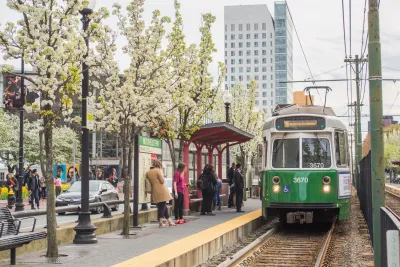
The Massachusetts Bay Transportation Authority unveiled a new plan to protect transportation infrastructure from extreme weather, reports Will Katcher for Mass Live.
The agency's 'Resilience Roadmap' highlights the system's vulnerabilities, which include tunnels that can get too hot, drainage and flooding issues, and potential loss of access to ferry terminals. "The plan calls for the MBTA to invest in its power system, protect tunnels and stations from flooding, reduce heat exposure for riders and employees, upgrade train tracks and facilities to withstand extreme temperatures and improve the system’s signals and communications systems, among other strategies."
According to the plan, the MBTA's tunnels and power systems are at greatest risk from climate change, and would cause the most significant disruptions to service. "Officials identified 30 new strategies to address climate change and extreme weather impacts, three-quarters of which they recommend be implemented in the next five years." These include new doors that defend from flooding, more shade at bus stops, and upgraded pump rooms to remove water in case of flooding.
FULL STORY: Extreme weather will threaten the MBTA as climate warms. Here’s the agency’s new plan to fight back

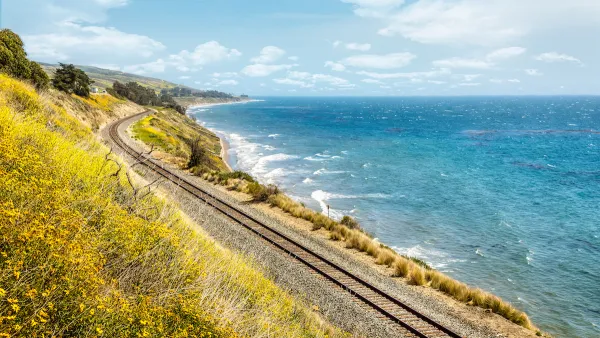
Transit’s Next Challenge: Climate Change
Extreme weather and erosion threaten transit infrastructure around the country.
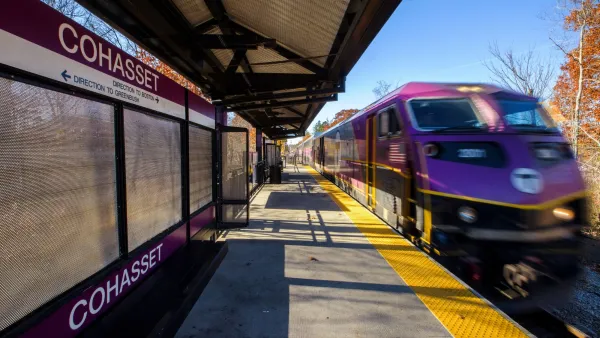
MBTA extends commuter rail discounts and lowers express bus fare to keep passengers riding into the fall
Boston-area commuters can access half-price monthly passes through November.
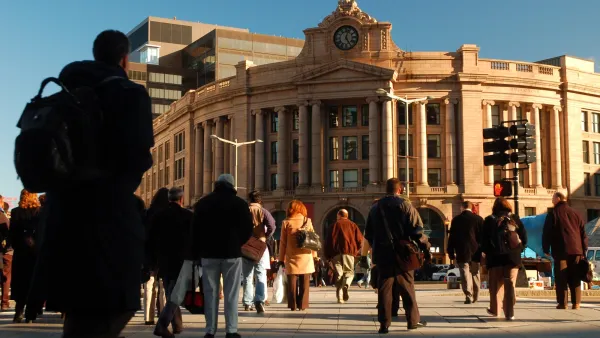
MBTA threatens to use eminent domain to pedestrianize Boston streets during World Cup
Boston city hall has been unusually reluctant to align with MassDOT and MBTA's proposed crowd management plans.

Planetizen Federal Action Tracker
A weekly monitor of how Trump’s orders and actions are impacting planners and planning in America.

The state-sanctioned urbicide of Austin
People don’t kill cities. Freeways do.

US to reduce Colorado River water deliveries to Mexico
A new Colorado Treaty amendment reduces Mexico’s Colorado River water allocation by 250,000 acre feet.

5 New England states march closer to 800 megawatt wind energy project
Securing federal approval for the project may be complicated under the Trump administration, which has historically been hostile towards domestic wind power.

Baltimore to break ground on $50 million Transit Priority Project
The project will bring faster bus trips, safer streets and better bike connections to Baltimore.

Airbnb launches $250 million 'last-dollar financing' housing accelerator, makes first investment in Austin
The company will put $6.4 million towards affordable housing development in Texas’ capital.

FREE Course: Walkable City 1: Why Walkability?
After describing his path towards focusing on walkability as the essence of good planning, Jeff Speck marches through his five principal reasons for making more walkable places.
Reinventing Malls: Planning Alchemy—Turning Gray Fields Into Gold
The course focuses on the opportunities and imperatives that shape reinvention of mall sites.

Eagle County Government
Harvard University Graduate School of Design
Nashville Planning Department
The Architects Foundation
University of Cincinnati Online
The Pocatello Development Authority
The Urban Renewal Agency of the City of Pocatello
Journal of the American Planning Association