Limiting cars to 2020 sizes could save consumers up to 22% on gas, according to a new study.


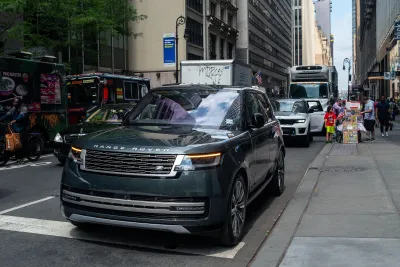
A new report from the Institute for Transportation and Development Policy found that capping the maximum size of passenger vehicles at 2020 dimensions could reduce liquid fuel consumption by up to 12% and cut transportation emissions by up to 10%.
According to an article by Kea Wilson in Streetsblog USA, “While it’s not a a silver bullet for the planet’s transportation woes, the report’s authors point out that keeping car sizes in check could also sharpen an even more powerful tool in the transportation reform arsenal: shifting commuters out of cars all together.”
The report notes that if more people started using transit, walking, or biking as a result of feeling safer on roadways, global traffic deaths could drop by as much as 40% by 2050. Shifting to smaller vehicles would also require fewer scarce battery materials, making it easier to make the switch to electric cars.
The report points to the rise of bigger cars in North America as the driver of a global trend. In 2008, SUVs made up around 20% of global sales. In 2020, that number had risen to more than half.
FULL STORY: Study: How Capping Vehicle Sizes Could Help Save the World

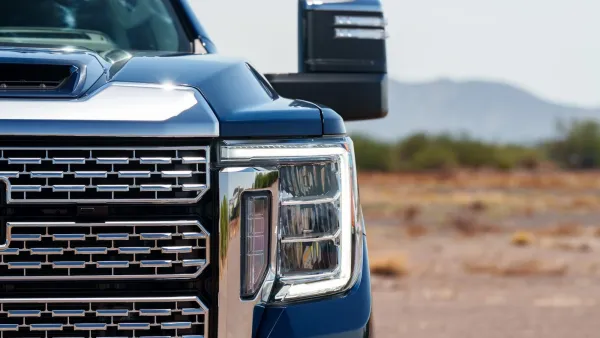
Analysis: Bigger cars are responsible for 10% of increase in pedestrian deaths
The New York Times offers a visual explanation of how larger vehicles make US roads more dangerous.
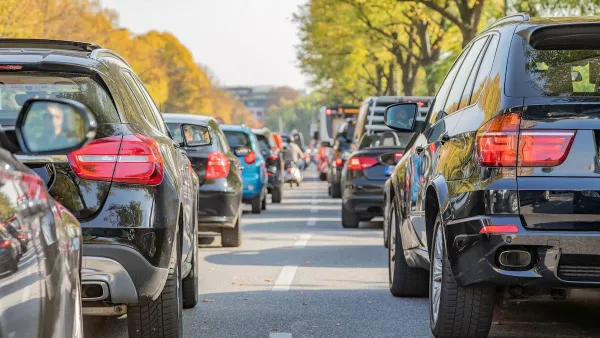
Study: Larger Vehicles Lead to More Congestion
New research links large SUVs to lower traffic throughput.
San Diego budget axes multimodal team at DOT
The budget scales back funding for some bike lane and traffic safety projects that are already in the works.

Planetizen Federal Action Tracker
A weekly monitor of how Trump’s orders and actions are impacting planners and planning in America.

The state-sanctioned urbicide of Austin
People don’t kill cities. Freeways do.

US to reduce Colorado River water deliveries to Mexico
A new Colorado Treaty amendment reduces Mexico’s Colorado River water allocation by 250,000 acre feet.

Mamdani overhauls NYC's Vision Zero plan with 100 new policy goals
The overhaul aims to reduce traffic deaths and make streets safer for pedestrians, cyclists and drivers through lower speed limits, new safety infrastructure and more.

Amtrak not solely to blame for New Jersey commuter rail's unreliability, report finds
A new study from the Garden State Initiative found that NJ Transit’s budget grew 20% across a 4 year period, but reliability declined significantly over the same period.

EPA erases limits on planet-warming pollution from power plants
Under Monday’s plan, power plants would still have some limits on how much mercury, arsenic and other contaminants they can emit.

FREE Course: Walkable City 1: Why Walkability?
After describing his path towards focusing on walkability as the essence of good planning, Jeff Speck marches through his five principal reasons for making more walkable places.
Reinventing Malls: Planning Alchemy—Turning Gray Fields Into Gold
The course focuses on the opportunities and imperatives that shape reinvention of mall sites.

Eagle County Government
Harvard University Graduate School of Design
Nashville Planning Department
The Architects Foundation
University of Cincinnati Online
The Pocatello Development Authority
The Urban Renewal Agency of the City of Pocatello
Journal of the American Planning Association