The permanent closure of a long-troubled South Los Angeles oil site marks a hard-fought victory for residents and underscores the growing urgency of addressing hazardous idle wells in communities nationwide.


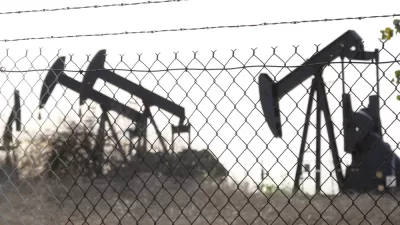
After decades of complaints, regulatory battles, and community advocacy, state officials have permanently plugged all 21 oil wells at the AllenCo Energy drill site in University Park, one of Los Angeles’ most notorious urban oil operations. Announced by Governor Gavin Newsom, the closure marks the end of a long struggle by residents who endured chronic odors, headaches, nosebleeds, and repeated gas leaks from the two-acre site located near apartment buildings and a school. The wells were capped by a state contractor with assistance from federal funding, preventing further releases of hazardous gases into the densely populated South Los Angeles neighborhood.
Community pressure intensified after AllenCo took over operations in 2009 and increased production while failing to maintain equipment. Investigations revealed oil spills, caustic fumes, and environmental violations, including a 2013 incident in which U.S. EPA inspectors became ill during a site visit. Despite state orders in 2020 requiring the wells to be plugged after the operator effectively abandoned the site, AllenCo failed to comply. In 2022, CalGEM officials entered the property under court order to depressurize the wells — a dramatic step that underscored both the site’s risks and regulatory frustration.
The AllenCo site is part of a broader statewide effort to address thousands of idle and unplugged oil wells that continue to threaten communities with methane leaks and toxic emissions. While state and federal funds are helping close some high-risk wells, advocates warn that public dollars should not substitute for corporate accountability. Environmental groups continue to push regulators and lawmakers to ensure oil companies — not taxpayers — bear the financial responsibility for cleanup, particularly in communities that have endured decades of environmental harm.
FULL STORY: Notoriously hazardous South L.A. oil wells finally plugged after decades of community pressure

Los Angeles To Phase Out Oil Drilling
The city has banned new wells and will end all extraction within two decades.

The Osage Nation’s Effort to Clean Up Abandoned Oil Wells
The Osage Nation is leading a complex and long-term initiative to identify, plug, and remediate thousands of orphaned oil wells on its reservation, protecting land, water, and community health for future generations.
Tracking the Invisible: Methane Leaks From LA’s Neighborhood Oil Sites
Environmental advocates are using infrared technology to monitor and document methane leaks from neighborhood oil sites, filling regulatory gaps and pushing for stronger protections to safeguard community health and the climate.

Planetizen Federal Action Tracker
A weekly monitor of how Trump’s orders and actions are impacting planners and planning in America.

The state-sanctioned urbicide of Austin
People don’t kill cities. Freeways do.

US to reduce Colorado River water deliveries to Mexico
A new Colorado Treaty amendment reduces Mexico’s Colorado River water allocation by 250,000 acre feet.

5 New England states march closer to 800 megawatt wind energy project
Securing federal approval for the project may be complicated under the Trump administration, which has historically been hostile towards domestic wind power.

Baltimore to break ground on $50 million Transit Priority Project
The project will bring faster bus trips, safer streets and better bike connections to Baltimore.

Airbnb launches $250 million 'last-dollar financing' housing accelerator, makes first investment in Austin
The company will put $6.4 million towards affordable housing development in Texas’ capital.

FREE Course: Walkable City 1: Why Walkability?
After describing his path towards focusing on walkability as the essence of good planning, Jeff Speck marches through his five principal reasons for making more walkable places.
Reinventing Malls: Planning Alchemy—Turning Gray Fields Into Gold
The course focuses on the opportunities and imperatives that shape reinvention of mall sites.

Eagle County Government
Harvard University Graduate School of Design
Nashville Planning Department
The Architects Foundation
University of Cincinnati Online
The Pocatello Development Authority
The Urban Renewal Agency of the City of Pocatello
Journal of the American Planning Association