The Osage Nation is leading a complex and long-term initiative to identify, plug, and remediate thousands of orphaned oil wells on its reservation, protecting land, water, and community health for future generations.


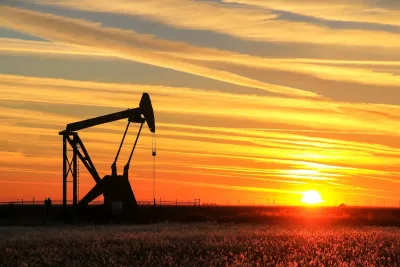
The Osage Nation is undertaking a large-scale effort to identify and plug orphaned and abandoned oil wells across its reservation in Oklahoma, addressing environmental hazards left behind after decades of oil production. With over $19 million in federal grant funding, the Nation’s Department of Natural Resources (DNR) has verified thousands of well records and begun sealing wells that pose risks to groundwater and air quality. These wells often leak methane and saltwater, contaminating aquifers and damaging ecosystems, including areas marked by brine scars where native grasses can no longer grow.
Responsibility for cleaning up the wells is unclear. The Bureau of Indian Affairs (BIA), oil producers, and tribal authorities all play roles, but none claim full accountability. As reported by Allison Herrera, this ambiguity has caused tension between the Osage Nation and the Osage Minerals Council, which previously led its own plugging program. While the Minerals Council has voiced concerns that viable wells could be prematurely decommissioned, the DNR insists that careful checks are in place to ensure only nonproductive wells are sealed. Permitting delays and legal complexities have also slowed progress.
Beyond plugging wells, the DNR is also working to remediate contaminated land and restore environmental integrity. The long-term goal is to protect Osage resources and attract new, responsible producers to invest in the reservation’s oil fields. For many in the Nation, including longtime oilman-turned-field inspector James DeRoin, the effort is deeply personal—a full-circle journey from extraction to restoration.
Although only a small fraction of the estimated orphaned wells have been plugged so far, the effort reflects a broader vision of healing the land, safeguarding public health, and reclaiming sovereignty over Osage territory. The task is daunting, but as team members emphasize, it all begins with cleaning up what was left behind.
FULL STORY: Who's responsible for cleaning up abandoned oil wells on the Osage Reservation?

California Seals 21 Urban Oil Wells in South LA After Decades of Activism
The permanent closure of a long-troubled South Los Angeles oil site marks a hard-fought victory for residents and underscores the growing urgency of addressing hazardous idle wells in communities nationwide.

The Growing Challenge of Orphan Oil Wells in America
Orphan oil wells—abandoned, undocumented, and often leaking methane—pose a widespread environmental and climate threat across the U.S., and finding them is just the beginning of a costly and urgent cleanup effort.
Alberta’s Orphan Well Cleanup Plan Sparks Debate Over Use of Public Funds
Alberta’s upcoming plan to address nearly 80,000 abandoned oil wells has sparked controversy over the potential use of public funds, despite government claims that taxpayers won’t be footing the bill.

Planetizen Federal Action Tracker
A weekly monitor of how Trump’s orders and actions are impacting planners and planning in America.

The state-sanctioned urbicide of Austin
People don’t kill cities. Freeways do.

US to reduce Colorado River water deliveries to Mexico
A new Colorado Treaty amendment reduces Mexico’s Colorado River water allocation by 250,000 acre feet.

5 New England states march closer to 800 megawatt wind energy project
Securing federal approval for the project may be complicated under the Trump administration, which has historically been hostile towards domestic wind power.

Baltimore to break ground on $50 million Transit Priority Project
The project will bring faster bus trips, safer streets and better bike connections to Baltimore.

Airbnb launches $250 million 'last-dollar financing' housing accelerator, makes first investment in Austin
The company will put $6.4 million towards affordable housing development in Texas’ capital.

FREE Course: Walkable City 1: Why Walkability?
After describing his path towards focusing on walkability as the essence of good planning, Jeff Speck marches through his five principal reasons for making more walkable places.
Reinventing Malls: Planning Alchemy—Turning Gray Fields Into Gold
The course focuses on the opportunities and imperatives that shape reinvention of mall sites.

Eagle County Government
Harvard University Graduate School of Design
Nashville Planning Department
The Architects Foundation
University of Cincinnati Online
The Pocatello Development Authority
The Urban Renewal Agency of the City of Pocatello
Journal of the American Planning Association