Indigenous People
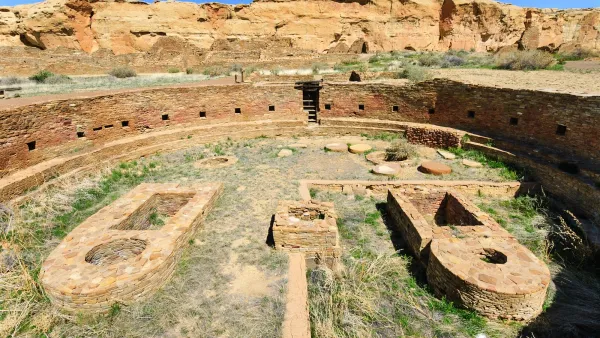
BLM could allow oil leases near sacred New Mexico Indigenous sites
The Bureau of Land Management is considering removing protections from roughly 336,000 acres surrounding Chaco Culture National Historical Park.
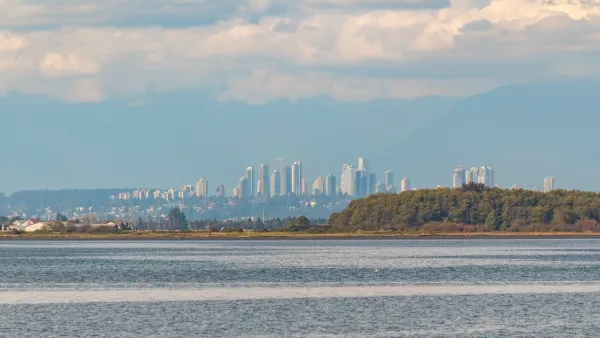
Court Favors First Nations in Landmark Metro Vancouver Land Claim
The longest trial in Canadian history ended with the BC Supreme Court awarding rights to a 750-hectare parcel in Richmond to First Nations groups.
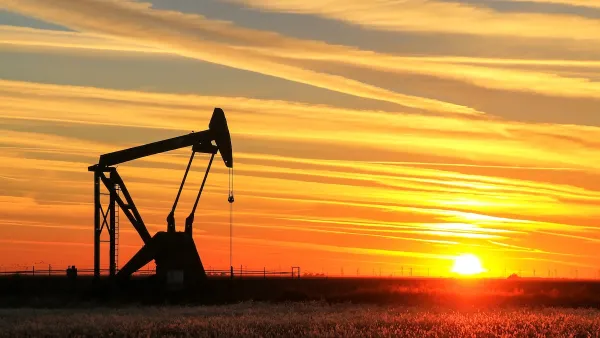
The Osage Nation’s Effort to Clean Up Abandoned Oil Wells
The Osage Nation is leading a complex and long-term initiative to identify, plug, and remediate thousands of orphaned oil wells on its reservation, protecting land, water, and community health for future generations.
‘Minnesota Nice’ Isn’t so Nice When You Can’t Find a Place to Live
The Economic Development and Housing Challenge Program can help address the scourge of homelessness among Indigenous people.
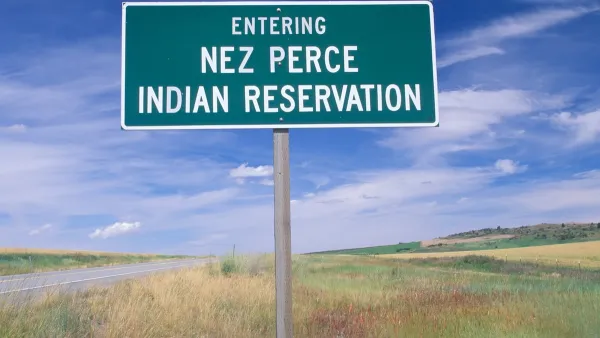
Native American Communities Prepare to Lead on Environmental Stewardship
In the face of federal threats to public lands and conservation efforts, indigenous groups continue to model nature-centered conservation efforts.
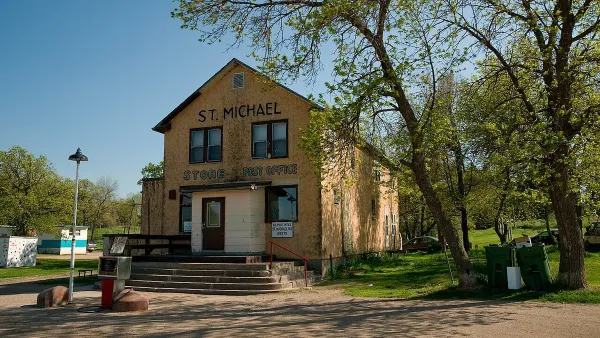
Spirit Lake Nation Reclaims 680 Acres After Century-Long Effort
After decades of advocacy, the Spirit Lake Nation successfully reclaimed 680 acres of its original treaty land from the U.S. Fish and Wildlife Service, marking a significant step toward healing and future development.
Art in Action: USC Event Calls for an Urgent Green Energy Transition
The El Respiro / Respire event at USC uses a large-scale human geochoreography to demand an urgent and equitable transition to green energy, blending art, activism, and community engagement to amplify the message of climate justice.
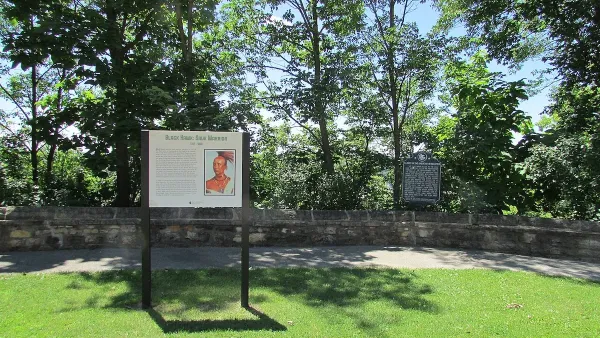
Supporting Indigenous Land Reclamation Through Design
Harvard students collaborated with the Sac and Fox Nation to develop strategies for reclaiming and co-managing ancestral lands in Illinois, supporting Indigenous sovereignty through design, cultural storytelling, and economic planning.
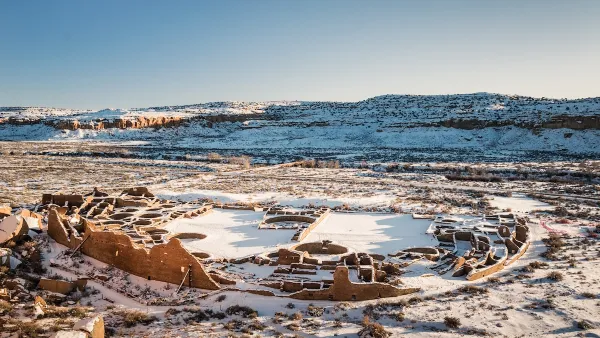
BLM Approves Controversial Oil and Gas Leases on Navajo Land
The parcels are located near a sensitive archaeological site, but some Indigenous leaders approve of the move, which will bring in millions in revenue.
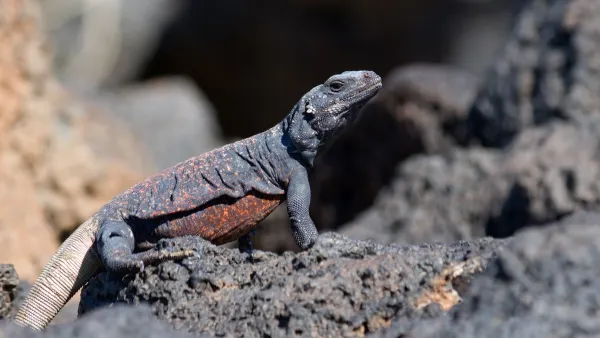
Biden Approves Two New National Monuments in California
The Chuckwalla and Sáttítla National Monuments will protect natural resources and sites of cultural significance for California native tribes.
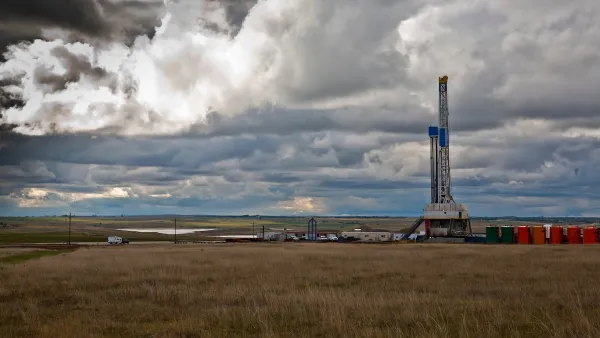
Extraction on Tribal Lands Contributes to State Coffers
A recent investigation reveals that profits from oil, grazing, and other uses on state-managed tribal lands are funding off-reservation public institutions.
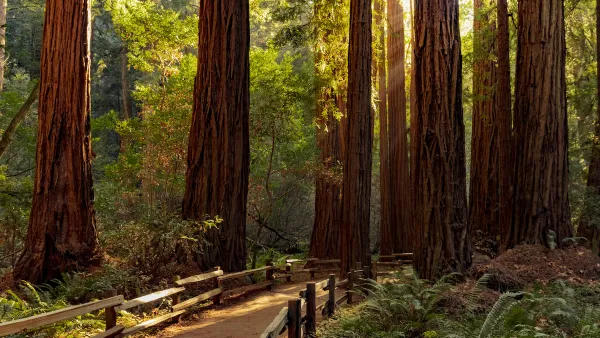
California Native Tribe to Co-Manage National Park Land
A historic agreement returns 125 acres — a fraction of the tribe’s historic lands — that will be used to build a cultural center and park facilities.
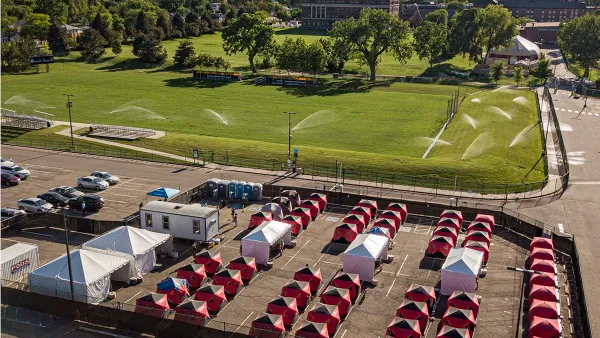
An Affordable Housing Model for Indigenous Americans
Indigenous people make up a disproportionately high percentage of the unhoused population, but many programs designed to assist them don’t reach those most in need.
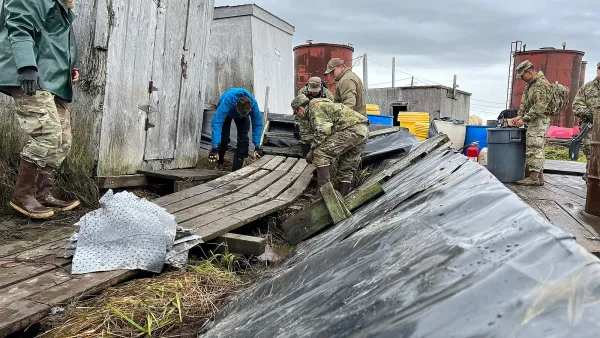
Federal Grants Aid Native Relocation, but Will They Be Enough?
Increasingly threatened by the impacts of climate change and extreme weather, many Native Alaskan and other indigenous communities will have to relocate—and soon.
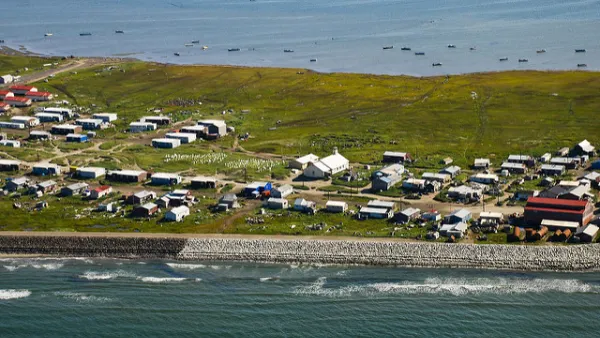
Coastal Tribes Facing Numerous Existential Threats From Climate Change
From Alaska to Washington, climate change is real, and it’s here now, for indigenous tribes.
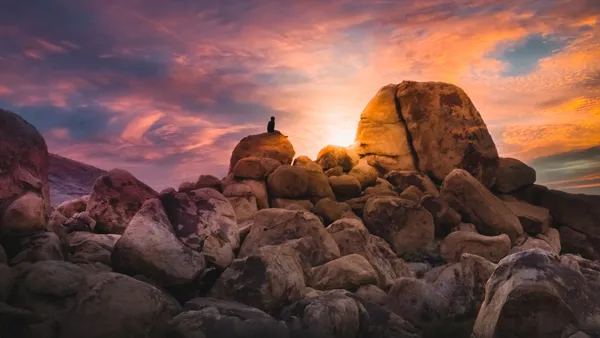
Exploring the Outdoors in a Socially and Environmentally Responsible Manner
To travel ethically, visitors to national parks need to be more mindful and better understand the history of the parks and their impacts on these spaces and surrounding communities.
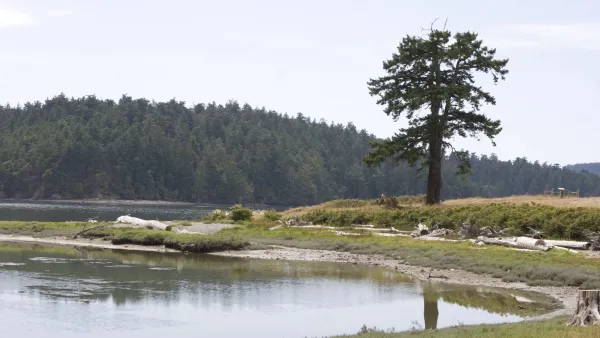
Indigenous Peoples Lead Fight Against Climate Change
Tribal communities are preparing for climate impacts by drawing on their deep understanding of the relationship between humans and the natural environment.
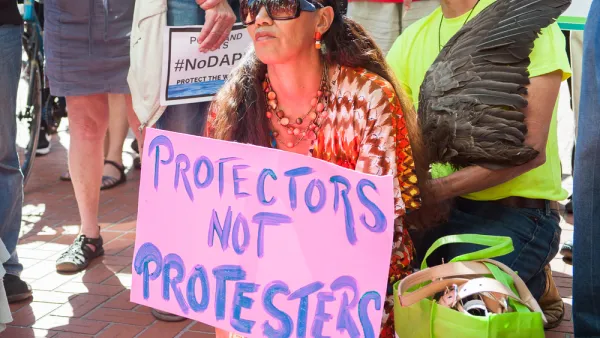
Land Use Planning for and by Indigenous People
A new book examines the potential for coexistence between indigenous people and the post-development ethos of 21st century planning practice. Canada and Australia provide the case studies, but surely U.S. planners should also heed these lessons.
Wampanoag Indians Fight Windmill Farm
The giant Cape Wind turbine farm project has overcome significant opposition, but now two Massachusetts tribes are attempting to block its construction, claiming cultural and religious issues.
'They Want to Make a Dam, and Now They Know They Shouldn't'
A group of Indians from the Amazon attacked a government engineer at a recent meeting where he was discussing a proposed hydroelectric dam on the Xingu River that could displace 15,000 indigenous people and destroy traditional fishing grounds.

FREE Course: Walkable City 1: Why Walkability?
After describing his path towards focusing on walkability as the essence of good planning, Jeff Speck marches through his five principal reasons for making more walkable places.
Reinventing Malls: Planning Alchemy—Turning Gray Fields Into Gold
The course focuses on the opportunities and imperatives that shape reinvention of mall sites.

City of Rosemead
Rutgers University, Edward J. Bloustein School of Planning and Public Policy
One Hundred Miles
University of Michigan School for Environment and Sustainability (SEAS)
Hunter College, City University of New York (CUNY)
The Architects Foundation
City of Cambridge
Montrose County
The Pocatello Development Authority









