Chicago overtook New York for the worst traffic of any major U.S. city as NYC saw traffic decline after congestion pricing went into effect.


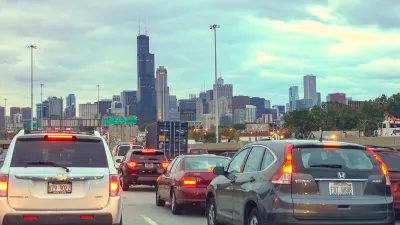
Although the average time Americans spend in traffic rose by 6 hours nationwide in 2025, New York City saw a significant decline in traffic thanks to the congestion pricing program that went into effect in January.
As Kristin Toussant explains in Fast Company, just one month after the program began, one million fewer vehicles entered the congestion pricing zone. “In 2024, five New York City roads made Inrix’s top 25 busiest corridors list. In 2025, just one remained: a section of Interstate 278, also called the Brooklyn-Queens Expressway (which is not in the city’s congestion pricing zone).” NYC drivers how save as much as 21 minutes each way.
New York City drivers lost 102 hours to traffic in 2025. In Chicago, that number was 112, a 10 percent increase from 2024. Cities with the sharpest increases in traffic hours include Baltimore and Philadelphia (both 31 percent), Atlanta (13 percent), and Austin (18 percent).
According to analysis company Inrix, the typical 49 hours of delays due to traffic cost Americans an average of $894 per driver per year. “Across the country, congestion has cost the U.S. more than $85 billion in 2025, up 11.3% from 2024.”
FULL STORY: After NYC implemented congestion pricing, Chicago became America’s worst city for traffic

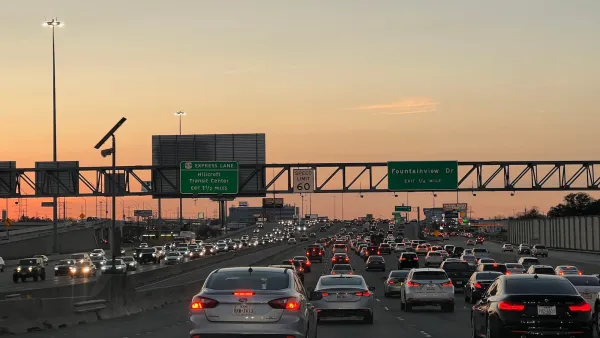
US Traffic Patterns are Shifting, but Car-centric Development Persists
Los Angeles, Honolulu, and San Francisco ranked among the nation’s most congested cities, while New York reduced traffic and increased transit speed and ridership thanks to its congestion pricing program.
Chicago Drivers Inch Toward Congestion Pricing
After three years of false starts, there is renewed interest in a congestion pricing plan for the Chicago area.
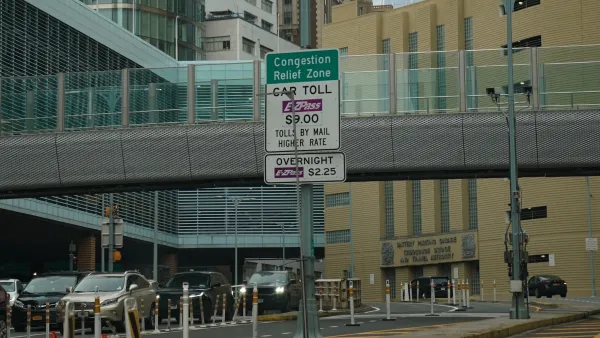
Judge Rules to Keep NYC Congestion Pricing, Ending Trump's Legal Challenge
The decision likely deals a fatal blow to efforts to end the program, but the Trump administration says it will explore other avenues for reversing the congestion pricing scheme.

The state-sanctioned urbicide of Austin
People don’t kill cities. Freeways do.

US to reduce Colorado River water deliveries to Mexico
A new Colorado Treaty amendment reduces Mexico’s Colorado River water allocation by 250,000 acre feet.

New Jersey’s second-largest city bans standalone data centers
Jersey City will continue to allow co-location facilities, such as those meant for research institutions that store their own data.

Amtrak not solely to blame for New Jersey commuter rail's unreliability, report finds
A new study from the Garden State Initiative found that NJ Transit’s budget grew 20% across a 4 year period, but reliability declined significantly over the same period.

EPA erases limits on planet-warming pollution from power plants
Under Monday’s plan, power plants would still have some limits on how much mercury, arsenic and other contaminants they can emit.

Phoenix announces new on-demand transit service, more frequent RAPID buses
Both new services will launch in October, and are part of Phoenix's Project Effective Access Solutions for Easing Congestion.

FREE Course: Walkable City 1: Why Walkability?
After describing his path towards focusing on walkability as the essence of good planning, Jeff Speck marches through his five principal reasons for making more walkable places.
Reinventing Malls: Planning Alchemy—Turning Gray Fields Into Gold
The course focuses on the opportunities and imperatives that shape reinvention of mall sites.

Eagle County Government
Harvard University Graduate School of Design
Nashville Planning Department
The Architects Foundation
University of Cincinnati Online
The Pocatello Development Authority
The Urban Renewal Agency of the City of Pocatello
Journal of the American Planning Association