Cities with the most dangerous roads are concentrated in the South and Southwest.


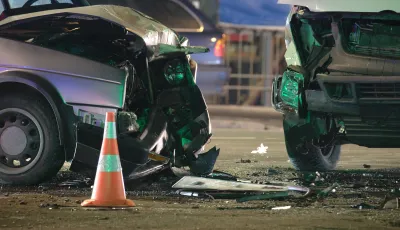
In an analysis in The Washington Post, Ian Duncan, Emmanuel Martinez, and Dylan Moriarty identify the nation’s deadliest roadways. “Between 2010 and 2023, yearly deaths caused by cars and trucks striking pedestrians rose 70 percent, an examination of federal data and other public records by The Washington Post shows.”
According to the analysis, “[deaths] were concentrated on multilane roads, with the largest clusters of deaths occurring on thoroughfares that cut through economically distressed neighborhoods and had fading commercial strips.” Notably, fatality rates in traffic crashes have declined by almost 30 percent in other developed countries in the same time period, pointing to a uniquely American crisis.
According to the Post’s analysis, the roads with the most pedestrian deaths between 2021 and 2023 were located in Houston (which took two of the top five spots on the list), Albuquerque, Los Angeles, and Miami. The piece attributes the growth in pedestrian deaths to high speed limits and larger vehicles.
FULL STORY: The deadliest roads in America

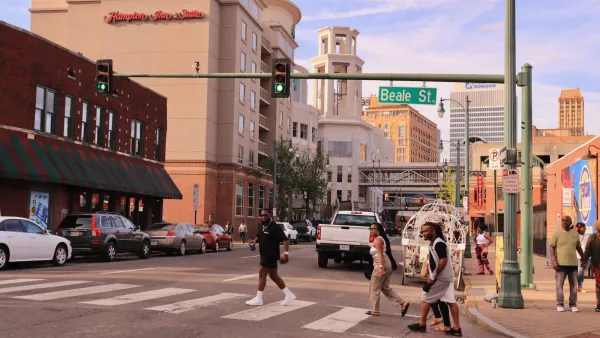
Memphis is the nation's most dangerous city for pedestrians
Memphis had the highest rate of traffic deaths for people walking in the US for two years in a row.
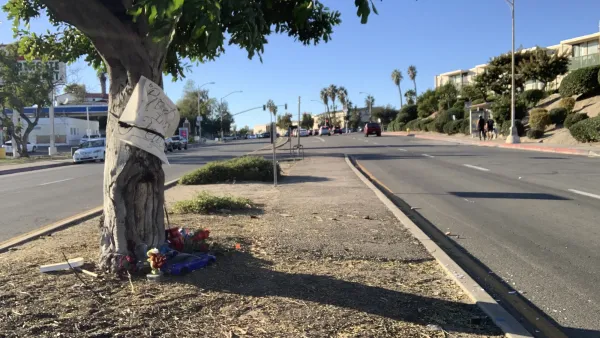
San Diego’s Car-centered Planning is Killing Children
Like most American cities, San Diego’s planning choices hold a gruesome legacy. Why are we okay with that?
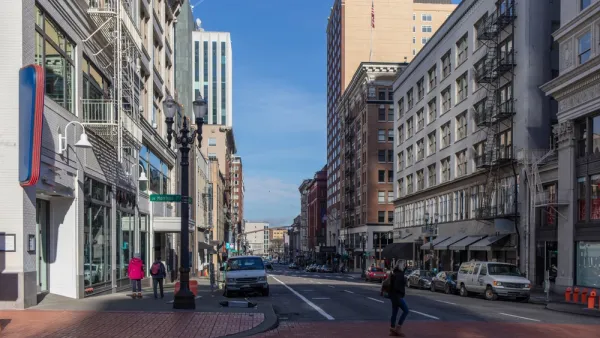
Portland Traffic Deaths Surpass 2022 Number
This year, 69 people have died in traffic crashes in Portland, Oregon, nearly twice as many as in 2018, when the city began its Vision Zero program.

Planetizen Federal Action Tracker
A weekly monitor of how Trump’s orders and actions are impacting planners and planning in America.

The state-sanctioned urbicide of Austin
People don’t kill cities. Freeways do.

US to reduce Colorado River water deliveries to Mexico
A new Colorado Treaty amendment reduces Mexico’s Colorado River water allocation by 250,000 acre feet.

Mamdani overhauls NYC's Vision Zero plan with 100 new policy goals
The overhaul aims to reduce traffic deaths and make streets safer for pedestrians, cyclists and drivers through lower speed limits, new safety infrastructure and more.

Amtrak not solely to blame for New Jersey commuter rail's unreliability, report finds
A new study from the Garden State Initiative found that NJ Transit’s budget grew 20% across a 4 year period, but reliability declined significantly over the same period.

EPA erases limits on planet-warming pollution from power plants
Under Monday’s plan, power plants would still have some limits on how much mercury, arsenic and other contaminants they can emit.

FREE Course: Walkable City 1: Why Walkability?
After describing his path towards focusing on walkability as the essence of good planning, Jeff Speck marches through his five principal reasons for making more walkable places.
Reinventing Malls: Planning Alchemy—Turning Gray Fields Into Gold
The course focuses on the opportunities and imperatives that shape reinvention of mall sites.

Eagle County Government
Harvard University Graduate School of Design
Nashville Planning Department
The Architects Foundation
University of Cincinnati Online
The Pocatello Development Authority
The Urban Renewal Agency of the City of Pocatello
Journal of the American Planning Association