Ten years after the city first pledged to eliminate traffic deaths, it has installed more than 500 new crosswalks and over 100 miles of new bikeways, but has not managed to reduce traffic deaths to zero.


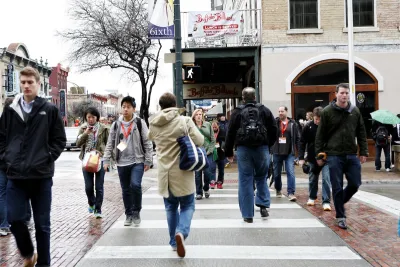
After 10 years of Vision Zero, Austin has seen a significant drop in fatal crashes thanks to the city’s efforts to improve road safety. However, 500 people were still killed or seriously injured on Austin roads in the last decade.
According to an article by Erica Brennes for KXAN, the city has committed over $134 million to road safety. “In the last 10 years, Vision Zero has added 500 pedestrian crossings, 320 miles of upgraded sidewalks, more than 100 miles of bicycle facilities, and 600 safe routes to school projects.”
Joel Meyer, the transportation safety officer with the City of Austin, says the city is focusing on the communities that see the most fatal crashes, which include the Black community, lower-income men, and unhoused Austinites (who make up 40 to 60 percent of fatal or serious injury crashes involving pedestrians or bikes).
One Vision Zero Project, the Bluff Springs Road Safety Project, saw a 30 percent reduction in crashes and a 58 percent reduction in “high-risk speeding.”
Read the full story: Fatal crashes in Austin down after decade of Vision Zero

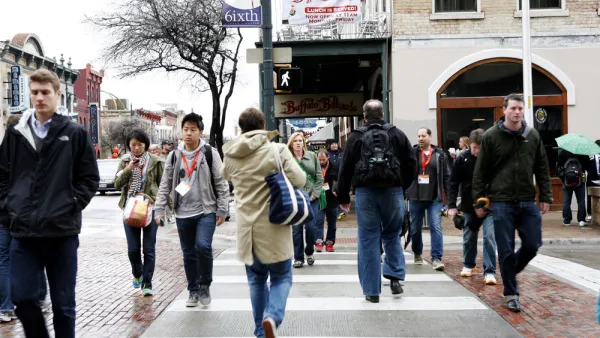
Austin Completes First Round of Vision Zero Projects
Small, localized interventions such as changes to signal timing and crosswalk improvements are saving lives and improving traffic safety.
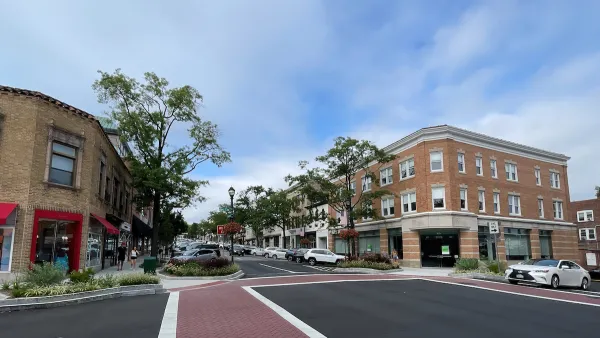
Connecticut Launches Complete Streets Standards
The new policy calls for sidewalks, bike lanes, and crosswalks on state roads and state-funded road projects.
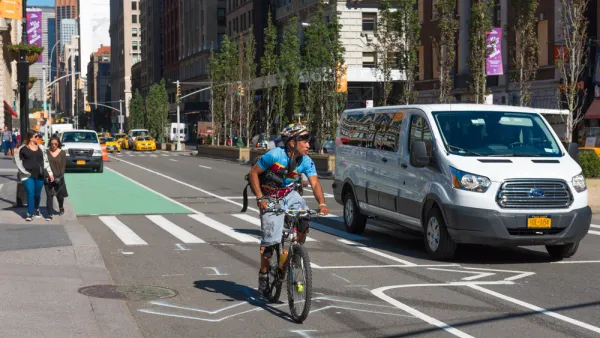
New York Legislature To Vote on Complete Streets Bills
A set of proposed laws would make streets safer for all road users in an effort to reduce traffic deaths.

Planetizen Federal Action Tracker
A weekly monitor of how Trump’s orders and actions are impacting planners and planning in America.

The state-sanctioned urbicide of Austin
People don’t kill cities. Freeways do.

Colorado’s Largest Data Center Could Rise Next to Homes — Without a Public Hearing
The proposed campus would consume 11 times the power of Denver International Airport; as it has across the country, opposition mounts.

Nation's most wind-powered state turns to coal as data centers increase energy demand
For the first time in decades, Iowa has increased its generation of coal power.

NYC cools commuters with city's first rain garden above a bus stop
New York City officials say the plants in the rain garden can absorb 16 gallons of rainwater during heavy storms.

Brightline West’s future may rely on $6 billion federal loan
The company has until Nov. 2 to make a $400 million equity investment into its proposed high-speed rail line.

FREE Course: Walkable City 1: Why Walkability?
After describing his path towards focusing on walkability as the essence of good planning, Jeff Speck marches through his five principal reasons for making more walkable places.
Reinventing Malls: Planning Alchemy—Turning Gray Fields Into Gold
The course focuses on the opportunities and imperatives that shape reinvention of mall sites.

Greater Baltimore Committee
Eagle County Government
Harvard University Graduate School of Design
The Architects Foundation
University of Cincinnati Online
The Pocatello Development Authority
The Urban Renewal Agency of the City of Pocatello
Journal of the American Planning Association