South Floridians and Houstonians spent roughly 20 percent of their income on transportation in regions that offer few alternatives to driving.


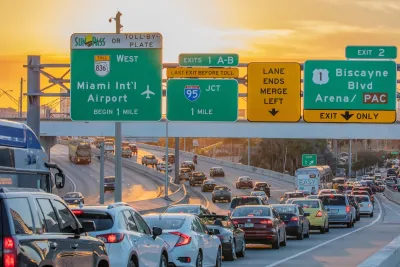
Residents of Greater Miami spend roughly 20 percent of their income on transportation, tying with Houston for the highest rate in the country. According to an article in the Miami Herald by Max Klaver, that equals around $14,400 per household.
“Americans in general are spending more on cars now than almost ever before. According to Kelley Blue Book, new car buyers paid almost $50,000 per purchase at the end of 2024, just under 2022 highs, when supply chain disruptions led to shortages of new vehicles on the market.” In places like Miami and Houston where public transit is sparse, owning a car can be a non-negotiable.
In South Florida, over half of workers commute 10 miles or more to work, and almost 15 percent have a commute of 50 miles or more. “Gas eats up roughly 4% of Greater Miamians’ annual household spending, one of the highest shares among major U.S. metro areas, according to the Census Bureau.” Floridians also pay more than average for car insurance due to the high risk of severe weather and high rate of uninsured drivers.
In the long term, local governments can invest in transit and dense housing, as well as “bike lanes, sidewalks and improved pedestrian street crossings to make non-car transit, which is the cheapest way to get around, more attractive, especially for short trips.” In the meantime, employers can offer gas and transit subsidies to help employees offset travel costs.
FULL STORY: South Floridians spend more on transportation than almost anyone else in U.S.


Cost of living too high? Planners to the rescue!
Excessive costs of living force many people to work more than optimal hours, leaving less time for family and fun. Local policies that favor affordable housing and transportation increase freedom, opportunity and happiness.
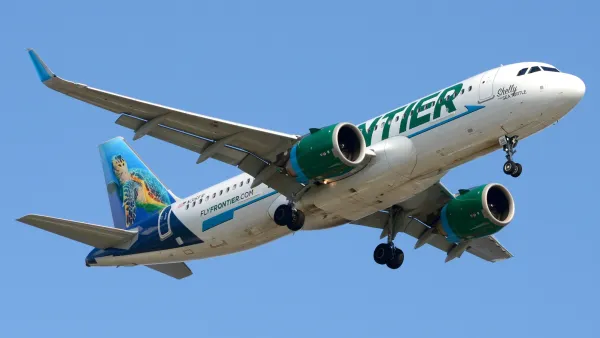
Planes, Trains, and... Buses: Philadelphia Man Commutes 800 Miles to Atlanta
The trip between Philadelphia and Atlanta takes roughly four to six hours and costs less than the average US car payment.
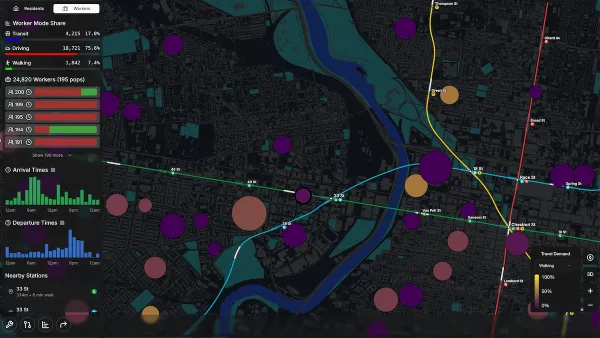
Nerd Alert: ‘Subway Builder’ Video Game Lets You Build Your Dream Transit System
Can you design an efficient and profitable transit system?

Planetizen Federal Action Tracker
A weekly monitor of how Trump’s orders and actions are impacting planners and planning in America.

The state-sanctioned urbicide of Austin
People don’t kill cities. Freeways do.

US to reduce Colorado River water deliveries to Mexico
A new Colorado Treaty amendment reduces Mexico’s Colorado River water allocation by 250,000 acre feet.

5 New England states march closer to 800 megawatt wind energy project
Securing federal approval for the project may be complicated under the Trump administration, which has historically been hostile towards domestic wind power.

Baltimore to break ground on $50 million Transit Priority Project
The project will bring faster bus trips, safer streets and better bike connections to Baltimore.

Airbnb launches $250 million 'last-dollar financing' housing accelerator, makes first investment in Austin
The company will put $6.4 million towards affordable housing development in Texas’ capital.

FREE Course: Walkable City 1: Why Walkability?
After describing his path towards focusing on walkability as the essence of good planning, Jeff Speck marches through his five principal reasons for making more walkable places.
Reinventing Malls: Planning Alchemy—Turning Gray Fields Into Gold
The course focuses on the opportunities and imperatives that shape reinvention of mall sites.

Eagle County Government
Harvard University Graduate School of Design
Nashville Planning Department
The Architects Foundation
University of Cincinnati Online
The Pocatello Development Authority
The Urban Renewal Agency of the City of Pocatello
Journal of the American Planning Association