Changes to a city ordinance make it easier to build ‘by-right’ car-free developments near train stations and pave the way for more affordable housing.


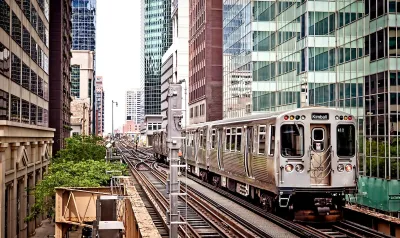
Writing in Streetsblog Chicago, Steven Vance and John Greenfield praise the city of Chicago’s recent move to eliminate parking minimums near train stations and bus routes.
The new rules amend the city’s 2022 Connected Communities Ordinance to eliminate red tape and make building without parking “as of right” near transit. “Developments in transit-served locations in all but ‘D’ (downtown) zoning districts can provide zero parking without having to get an ‘administrative adjustment,’ which was previously a requirement for providing less than 50 percent of otherwise-required car parking.”
Adjustments are still required if a Metra station is the only transit service nearby. The ordinance expands parking relief to more neighborhoods, including many zoned for detached homes and small multifamily developments. Owners will be able to add new units to existing homes (zoning permitting) without adding parking.
The authors express optimism that the changes will lower costs for developers and encourage more car-light or car-free building near transit. “That in turn means less driving on Chicago streets, fewer car crashes, and less congestion and pollution, which will benefit all of us.”

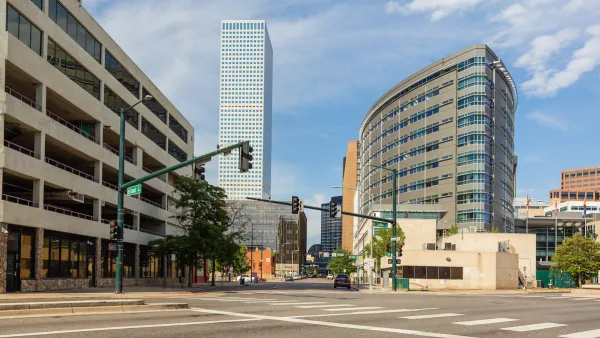
Colorado Bill Would End Minimum Parking Requirements
Supporters of the bill say eliminating parking mandates would make housing more affordable and reduce carbon emissions.
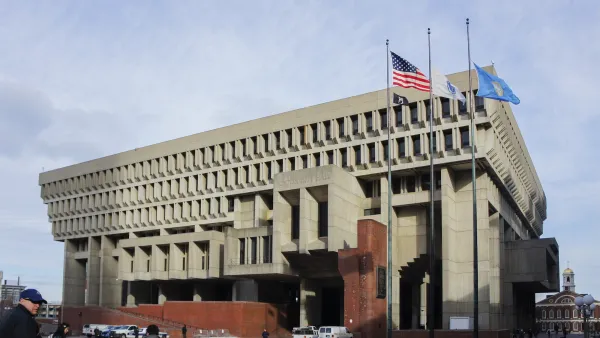
Boston Considers Eliminating Parking Requirements
Boston could join other major cities in eliminating outdated parking regulations that drive up the cost of housing.

Washington State Legislature Passes Parking Reform Bill
A bill that would limit parking requirements for new developments is headed to the governor’s desk.

Planetizen Federal Action Tracker
A weekly monitor of how Trump’s orders and actions are impacting planners and planning in America.

The state-sanctioned urbicide of Austin
People don’t kill cities. Freeways do.

US to reduce Colorado River water deliveries to Mexico
A new Colorado Treaty amendment reduces Mexico’s Colorado River water allocation by 250,000 acre feet.

Mamdani overhauls NYC's Vision Zero plan with 100 new policy goals
The overhaul aims to reduce traffic deaths and make streets safer for pedestrians, cyclists and drivers through lower speed limits, new safety infrastructure and more.

Amtrak not solely to blame for New Jersey commuter rail's unreliability, report finds
A new study from the Garden State Initiative found that NJ Transit’s budget grew 20% across a 4 year period, but reliability declined significantly over the same period.

EPA erases limits on planet-warming pollution from power plants
Under Monday’s plan, power plants would still have some limits on how much mercury, arsenic and other contaminants they can emit.

FREE Course: Walkable City 1: Why Walkability?
After describing his path towards focusing on walkability as the essence of good planning, Jeff Speck marches through his five principal reasons for making more walkable places.
Reinventing Malls: Planning Alchemy—Turning Gray Fields Into Gold
The course focuses on the opportunities and imperatives that shape reinvention of mall sites.

Eagle County Government
Harvard University Graduate School of Design
Nashville Planning Department
The Architects Foundation
University of Cincinnati Online
The Pocatello Development Authority
The Urban Renewal Agency of the City of Pocatello
Journal of the American Planning Association