U.S. coastal areas with plastic bag bans or fees saw significant reductions in plastic bag pollution — but plastic waste as a whole is growing.



There are fewer plastic bags littering U.S. shorelines, in part due to bans and fees, reports K.R. Callaway for Fast Company. “A new analysis of shoreline cleanup data finds that areas with plastic bag bans or consumer fees have fewer bags turning up in their litter. The research offers some of the strongest evidence yet that regulating plastic bag use makes a difference in reducing the amount of plastic waste in marine ecosystems.”
The study found drops of between 25 percent and 47 percent in areas with regulations. However, “While the data provides insight into how the share of plastic bags found among shoreline litter has changed due to policy measures, an important caveat remains: Plastic litter has been increasing overall.”
According to the researchers, total bans and fees worked better than partial bans that allowed businesses to use thicker “reusable” bags. “The study data seems to indicate that consumer fees were the most effective option for mitigating plastic bag litter, though the paper’s authors say more research is needed to confirm this finding.”
Read the full story: Thanks to bans and fees, there are fewer plastic bags littering beaches

Creating Ocean-Safe Plastic from Seashells
USC researchers have created a biodegradable, marine-safe plastic alternative using calcium carbonate from seashells, offering a promising solution to ocean pollution.

Garden Transforms Trash Into Works of Art
South Coast Botanic Garden highlights the importance of sustainability through its latest exhibit which consists of 16 giant creatures made from beach debris that washed ashore.
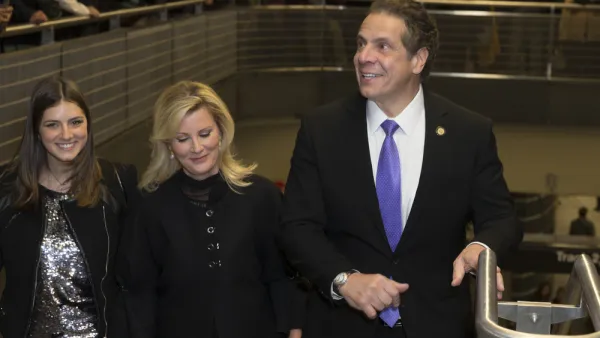
Gov. Andrew Cuomo Proposes Plastic Bag Ban After Killing New York City's Bag Law
The Democratic governor proposed a ban on single-use plastic bags in his state-of-the-state address on Jan. 15. Nearly two years earlier, he signed a bill that prevented New York City from charging for bags as the District of Columbia and Boston do.

Planetizen Federal Action Tracker
A weekly monitor of how Trump’s orders and actions are impacting planners and planning in America.

Eastern Nebraska is running out of electricity
Data centers and electrification are straining eastern Nebraska’s grid, throttling economic development.

Study reveals best places in the U.S. for cycling, walking
New research from Streetlight Data examines bicycle and pedestrian miles per capita in the 100 largest U.S. cities by population.

Washington state to fine drivers with fuel-efficient cars
Revenue from the fine will go towards supporting the state’s highways.

Strained electrical grid forces San Francisco to choose: housing, or data centers?
The city is approaching its maximum grid capacity, leaving leaders with tough choices about what projects to siphon energy toward.

Next-generation nuclear reactors are coming to Texas
The reactors will not require towering containment structures thanks to new safety features.

FREE Course: Walkable City 1: Why Walkability?
After describing his path towards focusing on walkability as the essence of good planning, Jeff Speck marches through his five principal reasons for making more walkable places.
Reinventing Malls: Planning Alchemy—Turning Gray Fields Into Gold
The course focuses on the opportunities and imperatives that shape reinvention of mall sites.

City of Charlotte
City of Rosemead
Rutgers University, Edward J. Bloustein School of Planning and Public Policy
University of Michigan School for Environment and Sustainability (SEAS)
Hunter College, City University of New York (CUNY)
The Architects Foundation
City of Cambridge
The Pocatello Development Authority
The Urban Renewal Agency of the City of Pocatello