When neighborhoods gentrify and displace lower-income residents, transit ridership suffers, new research shows.


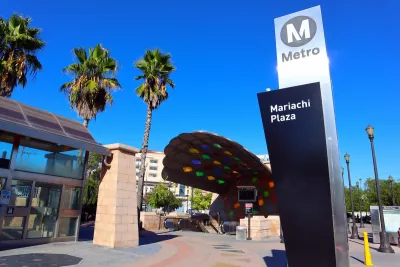
In a piece for CalMatters, Ben Christopher explains how the housing crisis is intertwined with the crisis facing public transit agencies, using Los Angeles as an example.
As neighborhoods gentrified and median incomes increased, Christopher explains, fewer residents rode the bus. This means lower revenues that harm the entire system and lead to service cuts.
According to a study led by UCLA professor Michael Manville, frequent transit users displaced from gentrifying neighborhoods are likely to end up in areas with fewer transit options. “Fewer transportation options have been found to put a person at risk of higher unemployment, poorer health and more pronounced social isolation.”
The “suburbanization of poverty” is having similar impacts in other parts of the country, where people displaced from dense urban areas are forced to move to more car-dependent suburbs.
State legislators are attempting to address the conjoined crises through bills such as SB 79, which would permit denser housing construction near transit. However, critics of the bill say it does not include enough safeguards for affordability.
FULL STORY: How gentrification is killing the bus: California’s rising rents are pushing out commuters


LA Metro Opposes TOD Law, Fearing Backlash to Transit Expansion
Metro wants an exemption from California’s new housing law, despite the law’s potential to increase ridership by putting more housing near transit stations.
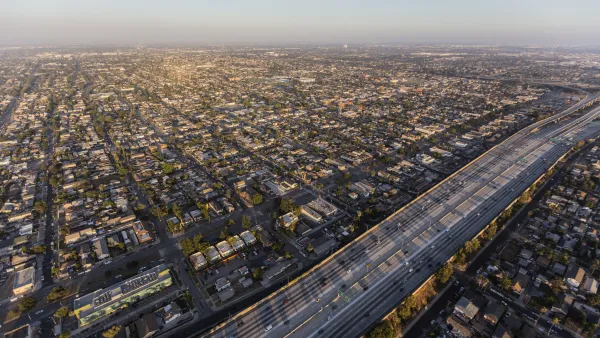
L.A. Crafting Legislation for 'Anti-Displacement Zones'
The idea that new development results in rising costs for renters in the surrounding neighborhood drives a new effort in Los Angeles.
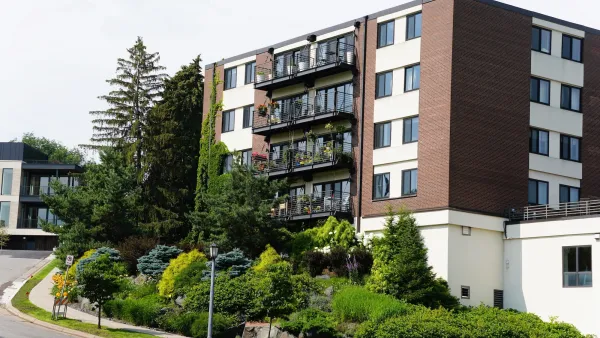
How policy changes helped Minneapolis beat rent inflation
Despite a boom in population, Minneapolis has managed to keep rents relatively steady through a combination of legislative action and private investment.

The state-sanctioned urbicide of Austin
People don’t kill cities. Freeways do.

US to reduce Colorado River water deliveries to Mexico
A new Colorado Treaty amendment reduces Mexico’s Colorado River water allocation by 250,000 acre feet.

New Jersey’s second-largest city bans standalone data centers
Jersey City will continue to allow co-location facilities, such as those meant for research institutions that store their own data.

Amtrak not solely to blame for New Jersey commuter rail's unreliability, report finds
A new study from the Garden State Initiative found that NJ Transit’s budget grew 20% across a 4 year period, but reliability declined significantly over the same period.

EPA erases limits on planet-warming pollution from power plants
Under Monday’s plan, power plants would still have some limits on how much mercury, arsenic and other contaminants they can emit.

Phoenix announces new on-demand transit service, more frequent RAPID buses
Both new services will launch in October, and are part of Phoenix's Project Effective Access Solutions for Easing Congestion.

FREE Course: Walkable City 1: Why Walkability?
After describing his path towards focusing on walkability as the essence of good planning, Jeff Speck marches through his five principal reasons for making more walkable places.
Reinventing Malls: Planning Alchemy—Turning Gray Fields Into Gold
The course focuses on the opportunities and imperatives that shape reinvention of mall sites.

Eagle County Government
Harvard University Graduate School of Design
Nashville Planning Department
The Architects Foundation
University of Cincinnati Online
The Pocatello Development Authority
The Urban Renewal Agency of the City of Pocatello
Journal of the American Planning Association