Indianapolis is developing a new Greenways Strategic Implementation Plan to expand, connect, and modernize its trail system, aiming for over 250 miles of greenways that support sustainability, mobility, and community well-being.


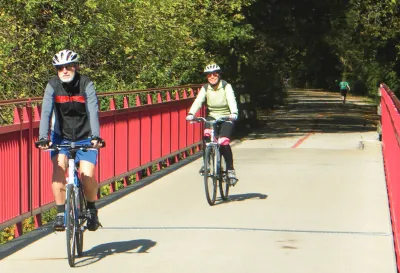
Indianapolis is advancing a major update to its greenway system through the Greenways Strategic Implementation Plan, led by the Department of Public Works (Indy DPW). Building on the 2014 Full Circle Master Plan, the new initiative aims to improve trail connectivity, enhance sustainability, and support economic development. As reported by Hanna Rauworth, the vision includes expanding the city’s greenway network to over 250 miles, creating a more integrated and resilient urban environment for all residents.
Key components of the plan include updating zoning codes to support trail-oriented development, identifying funding strategies, standardizing maintenance protocols, and modernizing design standards. The initiative will also address trail gaps, expand infrastructure, and develop a long-term governance structure for planning and operations. By emphasizing equitable access and environmental integration, the plan seeks to promote public health and neighborhood vitality.
The Greenways Strategic Implementation Plan began in July 2024 and is scheduled for completion by the end of 2025. By 2028, Marion County is expected to offer over 120 miles of greenways, enhancing connections between trails, neighborhoods, and transportation systems. This effort ensures that Indianapolis continues to grow a robust, inclusive, and future-ready trail network for generations to come.
FULL STORY: Indy Greenways: New plan aims to expand and connect trail system

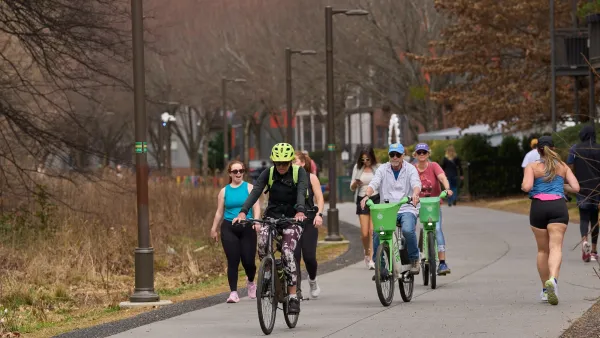
Atlanta could add dedicated bike lane to Beltline
A city councilmember says a dedicated lane would prevent conflicts between cyclists and pedestrians, but others worry it would impede efforts to build transit along the Beltline.

Knoxville Dedicates $1M to New Greenway
The proposed greenway would run along North Broadway and connect to 125 miles of existing trails.
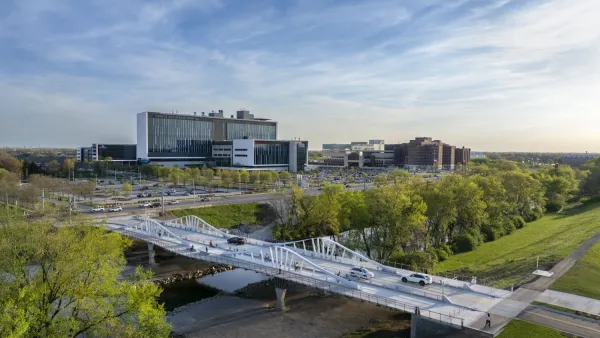
New Indianapolis Bridge Prioritizes Walking, Biking
Over half the surface of the Fall Creek Bridge is devoted to walking and biking paths.

Planetizen Federal Action Tracker
A weekly monitor of how Trump’s orders and actions are impacting planners and planning in America.

The state-sanctioned urbicide of Austin
People don’t kill cities. Freeways do.

US to reduce Colorado River water deliveries to Mexico
A new Colorado Treaty amendment reduces Mexico’s Colorado River water allocation by 250,000 acre feet.

Mamdani overhauls NYC's Vision Zero plan with 100 new policy goals
The overhaul aims to reduce traffic deaths and make streets safer for pedestrians, cyclists and drivers through lower speed limits, new safety infrastructure and more.

Amtrak not solely to blame for New Jersey commuter rail's unreliability, report finds
A new study from the Garden State Initiative found that NJ Transit’s budget grew 20% across a 4 year period, but reliability declined significantly over the same period.

EPA erases limits on planet-warming pollution from power plants
Under Monday’s plan, power plants would still have some limits on how much mercury, arsenic and other contaminants they can emit.

FREE Course: Walkable City 1: Why Walkability?
After describing his path towards focusing on walkability as the essence of good planning, Jeff Speck marches through his five principal reasons for making more walkable places.
Reinventing Malls: Planning Alchemy—Turning Gray Fields Into Gold
The course focuses on the opportunities and imperatives that shape reinvention of mall sites.

Eagle County Government
Harvard University Graduate School of Design
Nashville Planning Department
The Architects Foundation
University of Cincinnati Online
The Pocatello Development Authority
The Urban Renewal Agency of the City of Pocatello
Journal of the American Planning Association