‘Aging Out of Place’ explores the mechanisms that displace vulnerable seniors, and how the community can help preserve key resources and institutions.


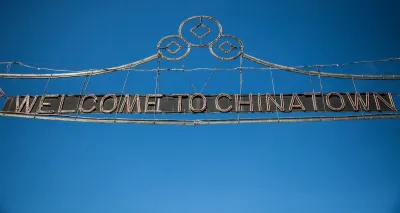
A participatory art piece at the Data Through Design exhibit in Brooklyn uses the tile game mahjong “to explore what it means to grow old, isolated and increasingly invisible in a rapidly-gentrifying Chinatown – and to allow viewers to reimagine the neighborhood for the better.”
In an article for Next City, Eliana Perozo describes the project, titled “Aging Out of Place.” According to Perozo, “The title is a play on the research field of aging in place, or the ability to stay in one’s community and live independently with dignity, rather than being moved to a care facility or a senior home.”
Participants begin by reading a storytelling zine that provides context about the community, then moves on to playing a game with hand-painted tiles on a map of Chinatown. “Some of these are fixed, while others are movable, representing buildings that are vulnerable to gentrification – such as libraries, restaurants, community centers, churches and temples.” To play, “Players are encouraged to add or take away pieces – benches, libraries, elderly homes, soup kitchens and more — to envision a neighborhood where residents can age in place.”
The artist hopes the project will help show planners and policymakers how their decisions impact communities. “But she also hopes that it helps people think about how to protect their own cultural institutions and the vulnerable seniors in their own neighborhoods.”
FULL STORY: This Mahjong Game Shows How Gentrification Is ‘Aging Out’ Chinatown’s Seniors

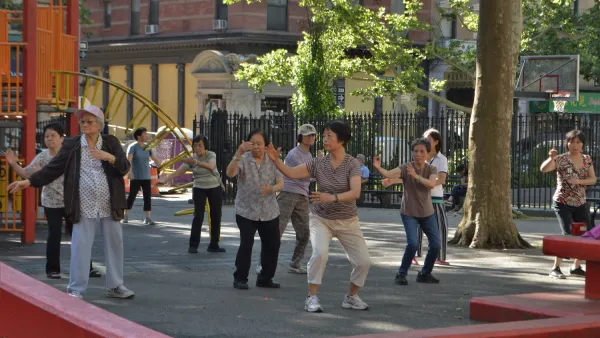
How a NYC Teen is Helping Chinese Seniors Navigate the Affordable Housing System
For low-income seniors with limited English and tech proficiency, navigating New York City's affordable housing systems is a challenge. To help, we must think beyond affordability.
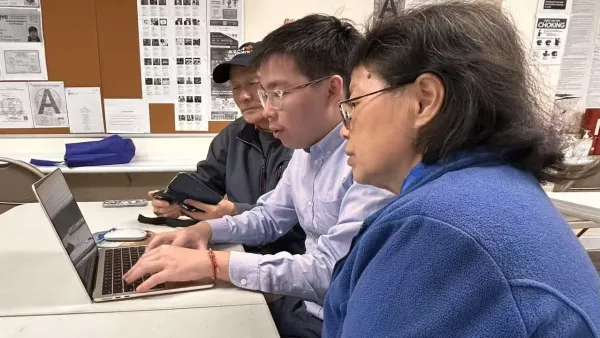
A NYC teen spends his days helping Chinese seniors navigate the housing system. He has some advice for Mamdani — and it’s really good.
As New York prepares to add 200,000 affordable housing units, Tianli Cheng says that dismantling access barriers is as important as creating new supply. He has a laundry list of great starting points.
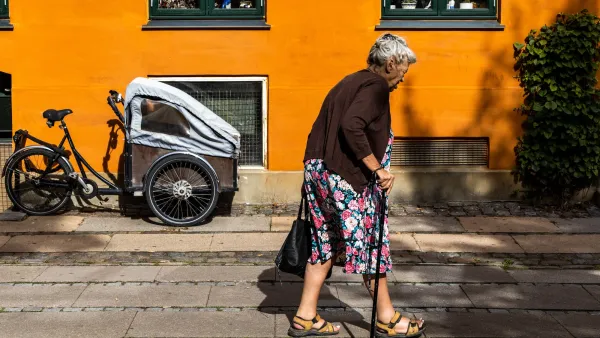
Great Cities Don’t Just Acknowledge That We Age In Them — They Build For It. We Can Too.
We age in sidewalks, public spaces, transit stops, and community centers — not in hospitals. As populations age, the built environment will determine whether our cities thrive or struggle in the decades ahead.

The state-sanctioned urbicide of Austin
People don’t kill cities. Freeways do.

US to reduce Colorado River water deliveries to Mexico
A new Colorado Treaty amendment reduces Mexico’s Colorado River water allocation by 250,000 acre feet.

New Jersey’s second-largest city bans standalone data centers
Jersey City will continue to allow co-location facilities, such as those meant for research institutions that store their own data.

Amtrak not solely to blame for New Jersey commuter rail's unreliability, report finds
A new study from the Garden State Initiative found that NJ Transit’s budget grew 20% across a 4 year period, but reliability declined significantly over the same period.

EPA erases limits on planet-warming pollution from power plants
Under Monday’s plan, power plants would still have some limits on how much mercury, arsenic and other contaminants they can emit.

Phoenix announces new on-demand transit service, more frequent RAPID buses
Both new services will launch in October, and are part of Phoenix's Project Effective Access Solutions for Easing Congestion.

FREE Course: Walkable City 1: Why Walkability?
After describing his path towards focusing on walkability as the essence of good planning, Jeff Speck marches through his five principal reasons for making more walkable places.
Reinventing Malls: Planning Alchemy—Turning Gray Fields Into Gold
The course focuses on the opportunities and imperatives that shape reinvention of mall sites.

Eagle County Government
Harvard University Graduate School of Design
Nashville Planning Department
The Architects Foundation
University of Cincinnati Online
The Pocatello Development Authority
The Urban Renewal Agency of the City of Pocatello
Journal of the American Planning Association