We age in sidewalks, public spaces, transit stops, and community centers — not in hospitals. As populations age, the built environment will determine whether our cities thrive or struggle in the decades ahead.


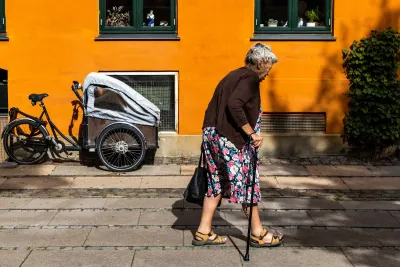
When I arrived in Copenhagen this summer as a WRLDCTY fellow, I expected bike lanes, saunas, parks, and the Danish knack for making even a storm drain look intentional. What surprised me was something quieter: the feeling that the city itself was nudging people toward longer, more connected, and independent lives.
It took me a couple days to realize what felt different. Aging wasn’t treated as a program, a special zone, or medical issue. It was simply built into how the city worked.
Copenhagen treats aging as a design opportunity. Streets, housing, mobility, and social spaces are arranged in ways that make long life not just possible, but likely. Copenhagen doesn’t design for older adults. But it was built with the assumption that everyone would someday become one.
Most American cities still expect the healthcare system to solve challenges that are fundamentally environmental: chronic disease, mobility loss, social isolation, and falls. But aging doesn’t unfold in hospitals. It unfolds across the places we live, move and connect.
Aging is happening now, and it's happening in cities
Aging is not a future problem. It’s happening now. According to US Census projections, by 2034, older adults will outnumber children for first time. Already, over 80 percent live in metropolitan areas. Most want to age in place, but only 10 percent of homes and neighborhoods are age-ready. Nearly one in four adults report loneliness, now a proven mortality risk equivalent to smoking 15 cigarettes a day.
But this isn’t just a population aging story. It's a story about where aging actually happens: in streets, crosswalks, grocery stores, bus stops, parks, fourth-floor walk-ups, and neighborhoods without benches, shade or places to gather.
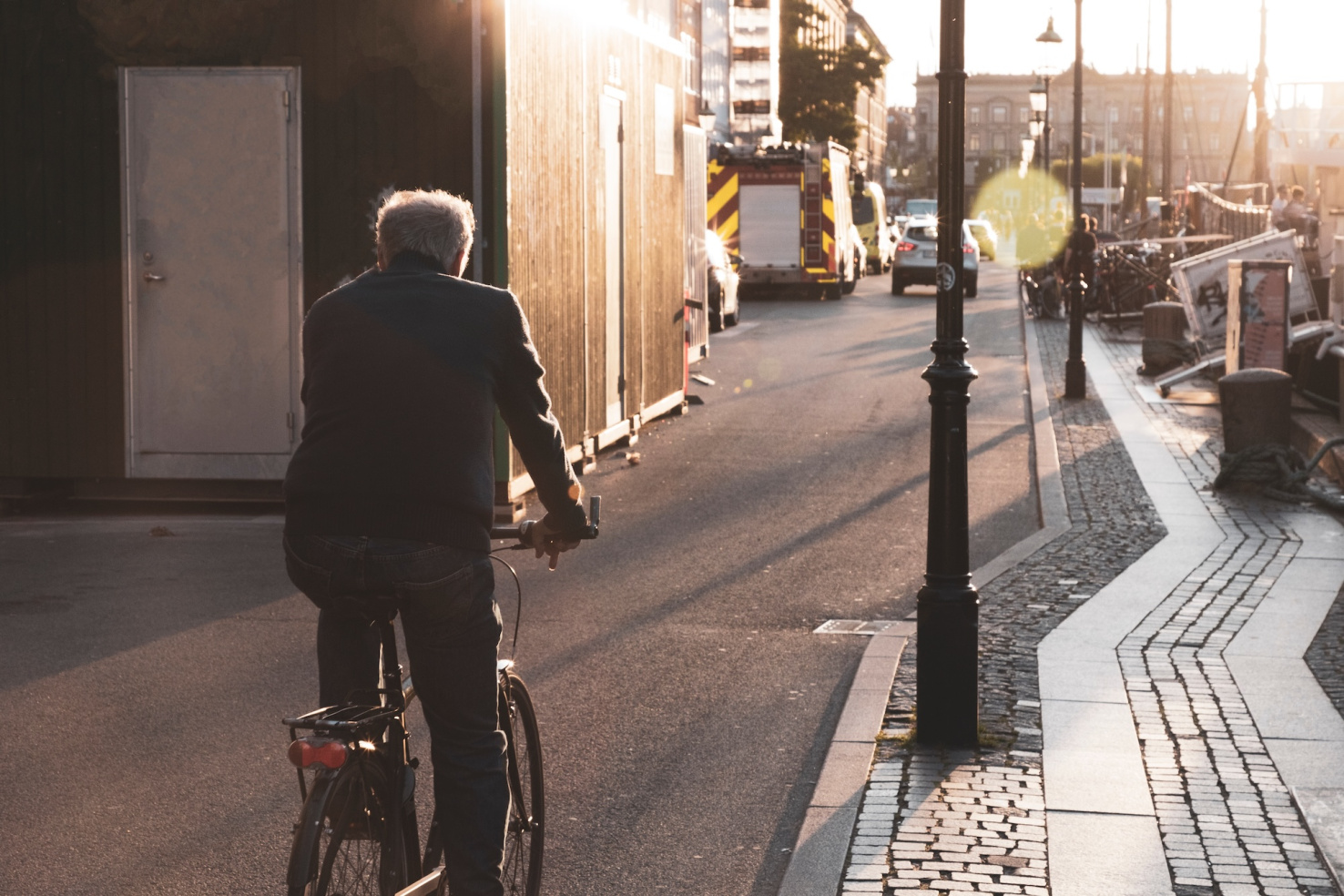
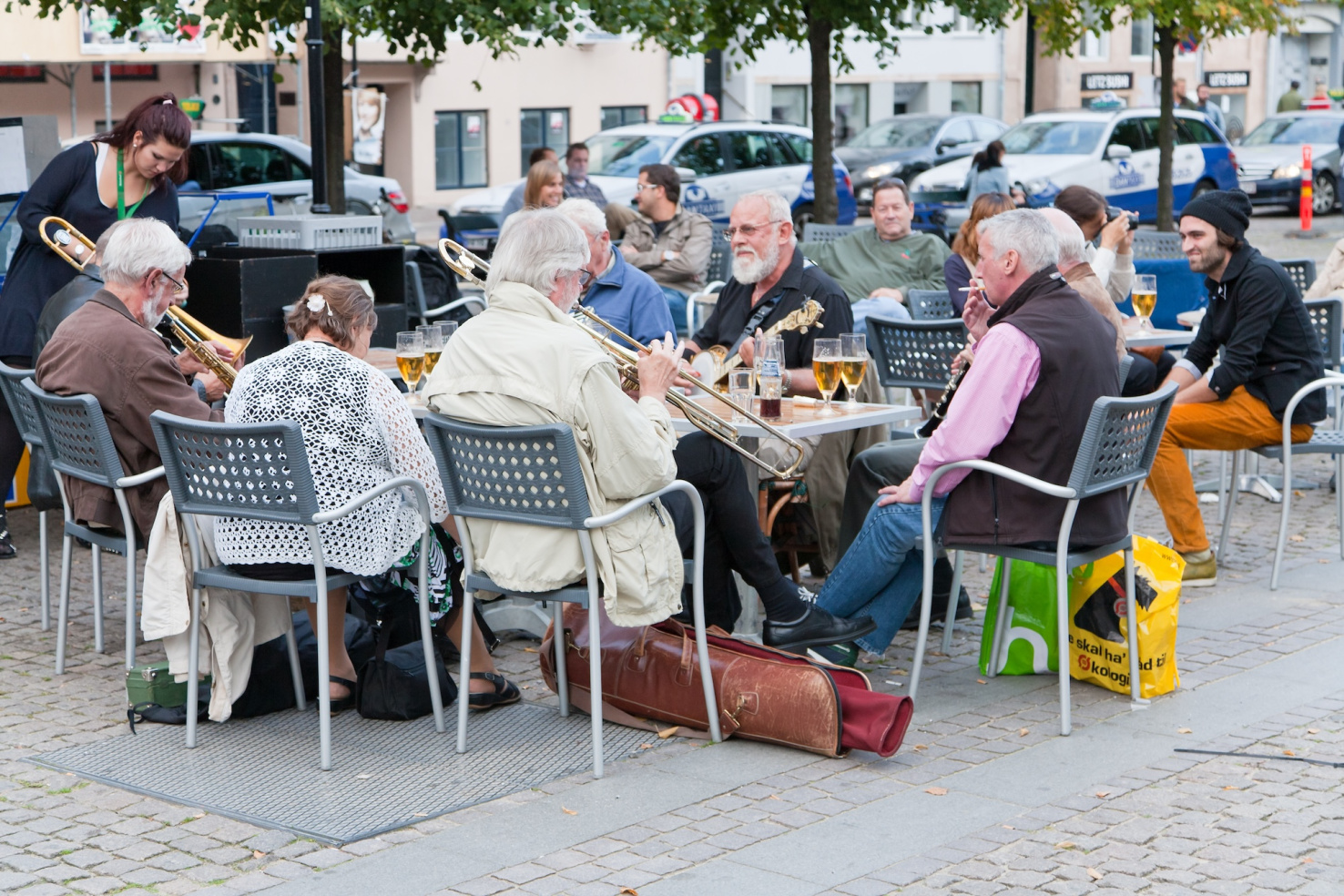

We age in place, whether the place is ready or not. And most places are not ready.
Here’s what happens when a city isn’t prepared:
The grocery store is a 20-minute drive. The sidewalk ends abruptly at the highway on-ramp. The bus stop has no bench. The park has no shade. The apartment building has no elevator. The pedestrian signal changes too fast unless you jog. The neighborhood has nowhere to sit, nowhere to bump into neighbors, and nowhere to belong.
These aren’t edge cases. This is the default American city.
Now imagine you're 75. Your knees hurt, you gave up driving, your partner passed away, and you haven't had a real conversation all week. The city didn't suddenly become hostile. You just finally felt it.
Falls, loneliness, and forced dependence aren’t personal failures. They’re design failures.
Most cities still reflect mid-20th-century design logic: car-dependent layouts, zoning for nuclear families, environments built for predictable commutes. But that world is gone.
Today we live longer, family structures are diverse, loneliness is epidemic, caregiving demands are rising, and climate stress hits vulnerable populations. Yet our built environment remains largely unchanged.
We built isolation into the code. And now we wonder why people feel isolated.
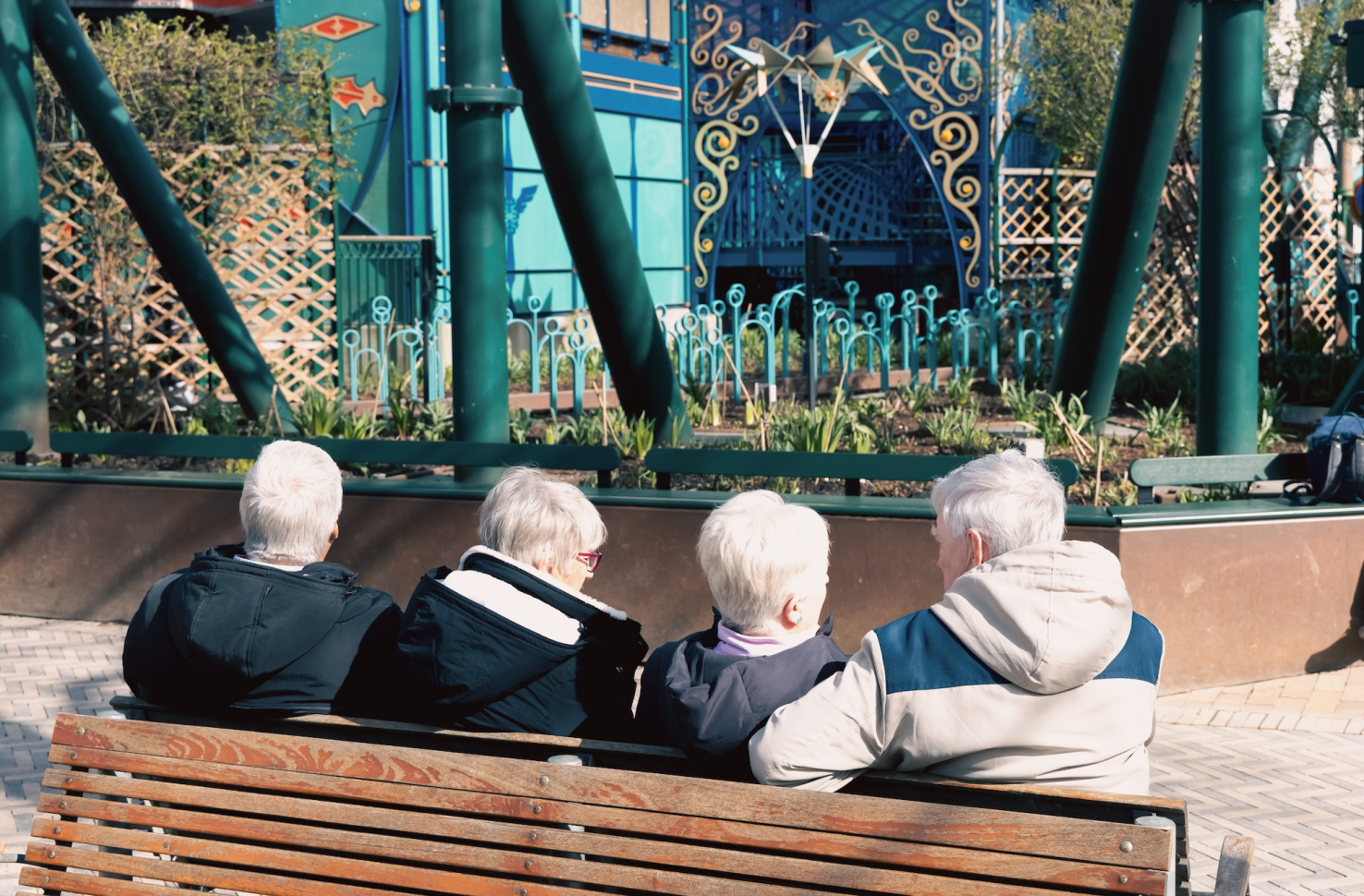
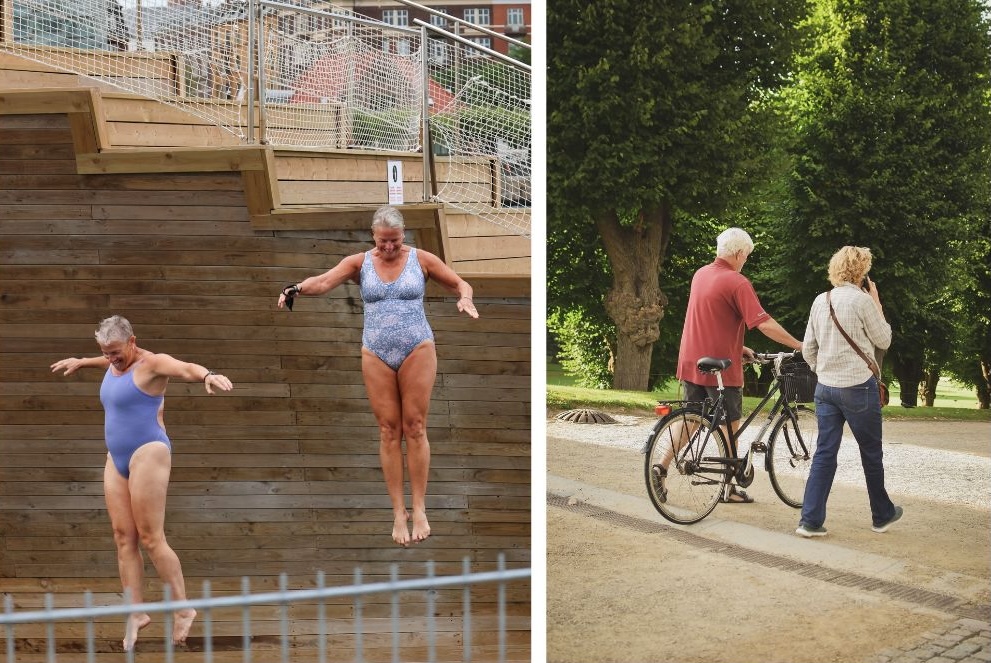
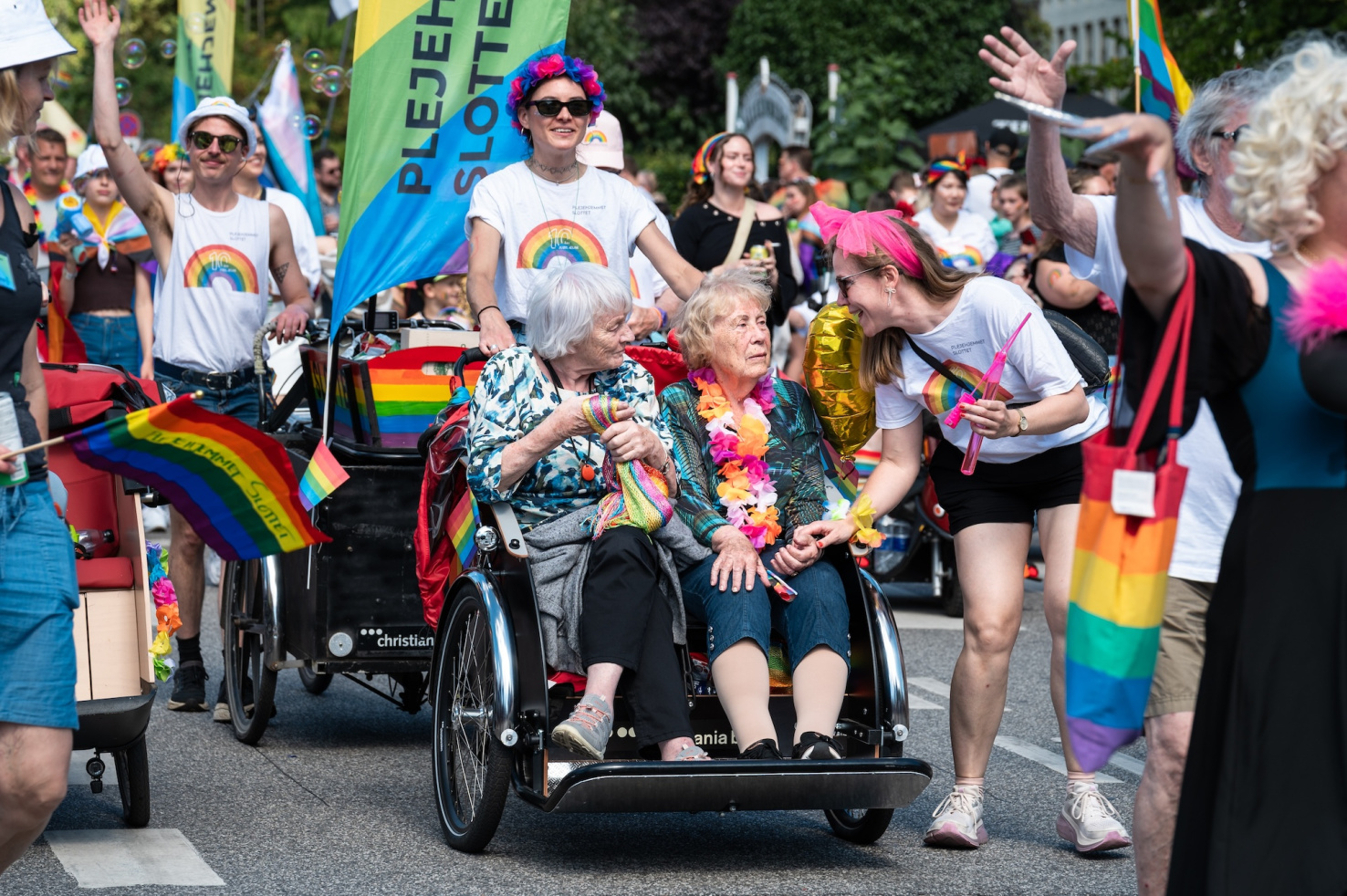
Copenhagen's quiet lesson: Design for aging without calling it aging
For a week, our WRLDCTY cohort met with planners, architects, and housing developers to understand how Copenhagen earned the title of “World’s Most Livable City.” I never saw a banner declaring "age-friendly city" or "senior zone." Yet the city felt prepared for long lives.
Jan Gehl’s mantra kept surfacing: "Design life first, space second, and buildings third."And it shows.
Why Copenhagen works.
Movement is possible at many speeds
Sixty-two percent of Copenhageners bike daily, through rain, into their 80s, and with kids in cargo bikes and groceries in baskets. Not because Danes are more adventurous. Because protected bike lanes, short signal waits, and predictable crossings make it easy and fast. The result: 97 percent cyclist satisfaction, and people staying mobile decades longer than in car-dependent cities.
Public space is socially generous
Benches, plazas, playgrounds, and waterfronts are designed for mixing, not just passing through. Socially generous spaces invite lingering and give parents, teenagers, and older adults all reasons to stay. Sponge parks manage stormwater while families play. Harbor baths filter pollution while residents swim.
Daily needs are nearby
Food, transit, nature, and community spaces are within 10-15 minutes for most Copenhagen residents. This isn’t luxury planning. Every extra block of distance, car-dependent errand, or isolated service creates barriers that compound over decades. Proximity keeps people independent.
And it’s not only Copenhagen. We’re seeing early signals in US Cities too: New York expanding curb seating and public gathering spaces, Pittsburgh testing multi-generational housing models, and Portland’s 20-minute neighborhood planning.
Why aging is an urban challenge, not a medical one
I’ve spent the past decade studying longevity through a healthcare lens. First leading brain health and healthy aging initiatives at the Milken Institute's Center for the Future of Aging, and later at the American Society on Aging. The pattern became impossible to ignore: the factors that determine healthy aging weren’t medical interventions; they were environmental ones. Genetics only explains 20 percent of our health outcomes and life expectancy. Environment and behavior explain the rest.
And that environment is overwhelmingly urban.
The numbers are striking. British research shows that daily cyclists have a 41 percent lower risk of premature death compared to non-cyclists. Walkable neighborhoods can reduce cardiovascular disease by 20 to 40 percent. In Denmark, cycling infrastructure saves society more than €1 per kilometer cycled through reduced healthcare costs alone. We need to look at these results as more than just lifestyle trends; they’re design outcomes.
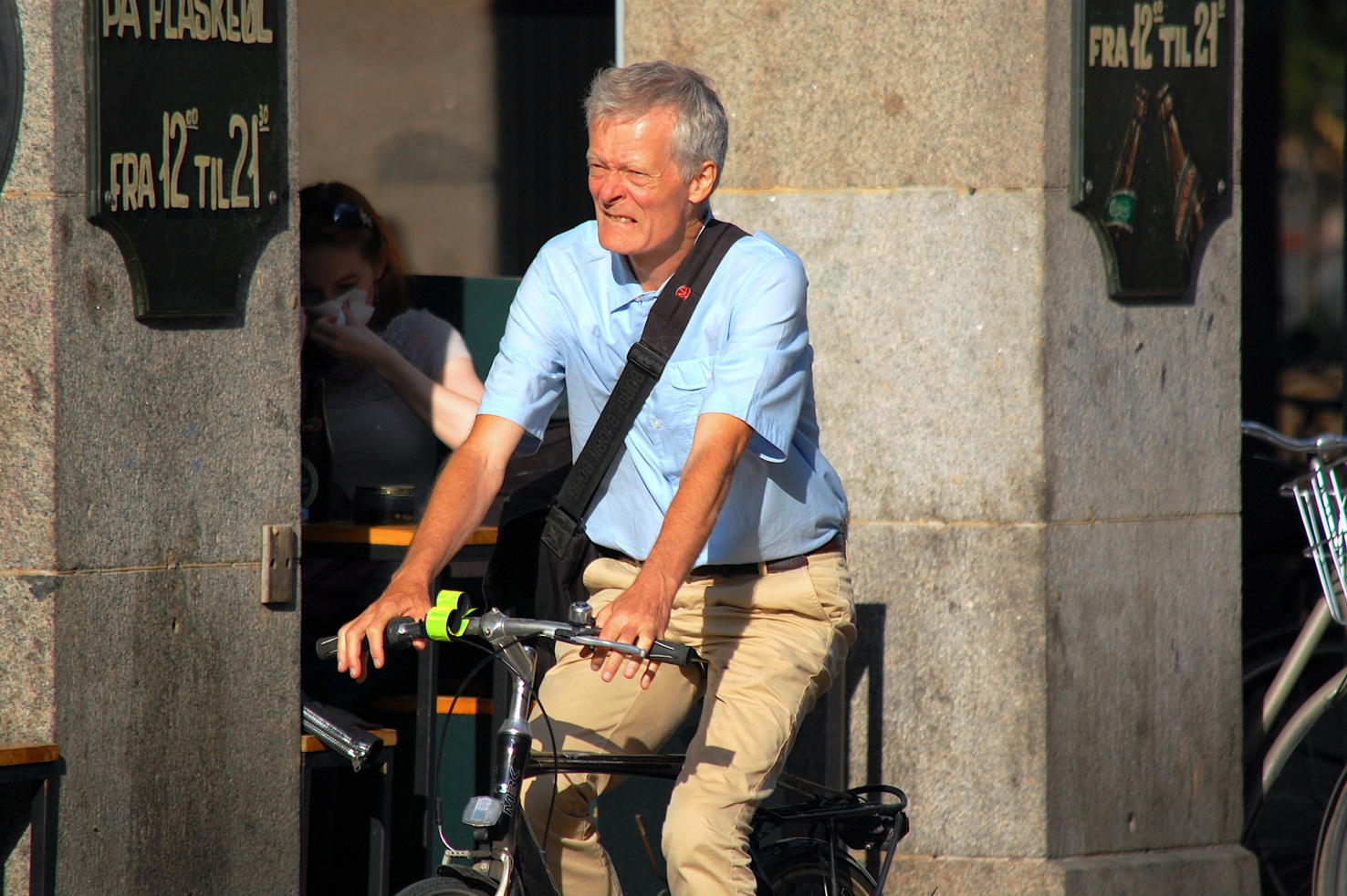
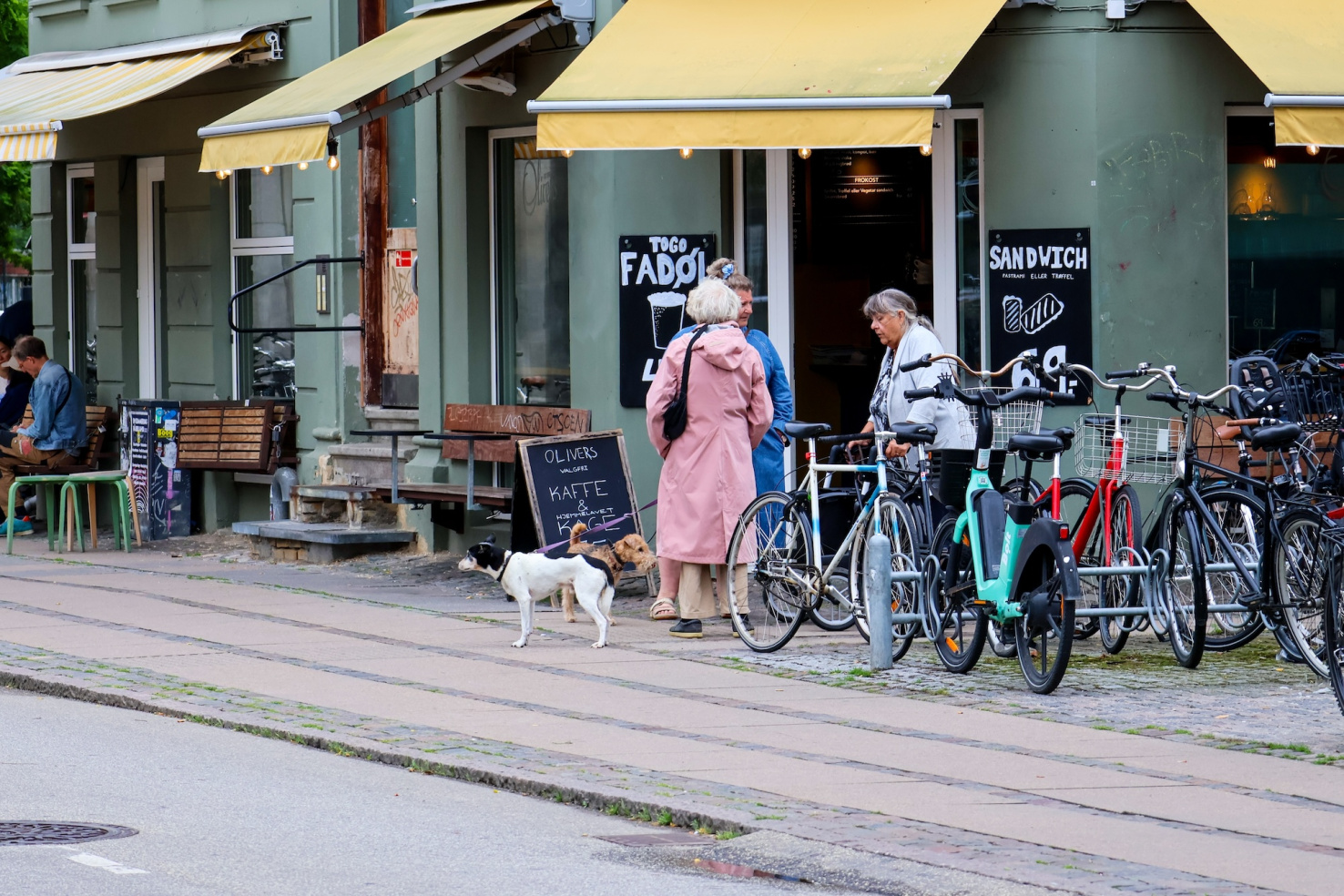
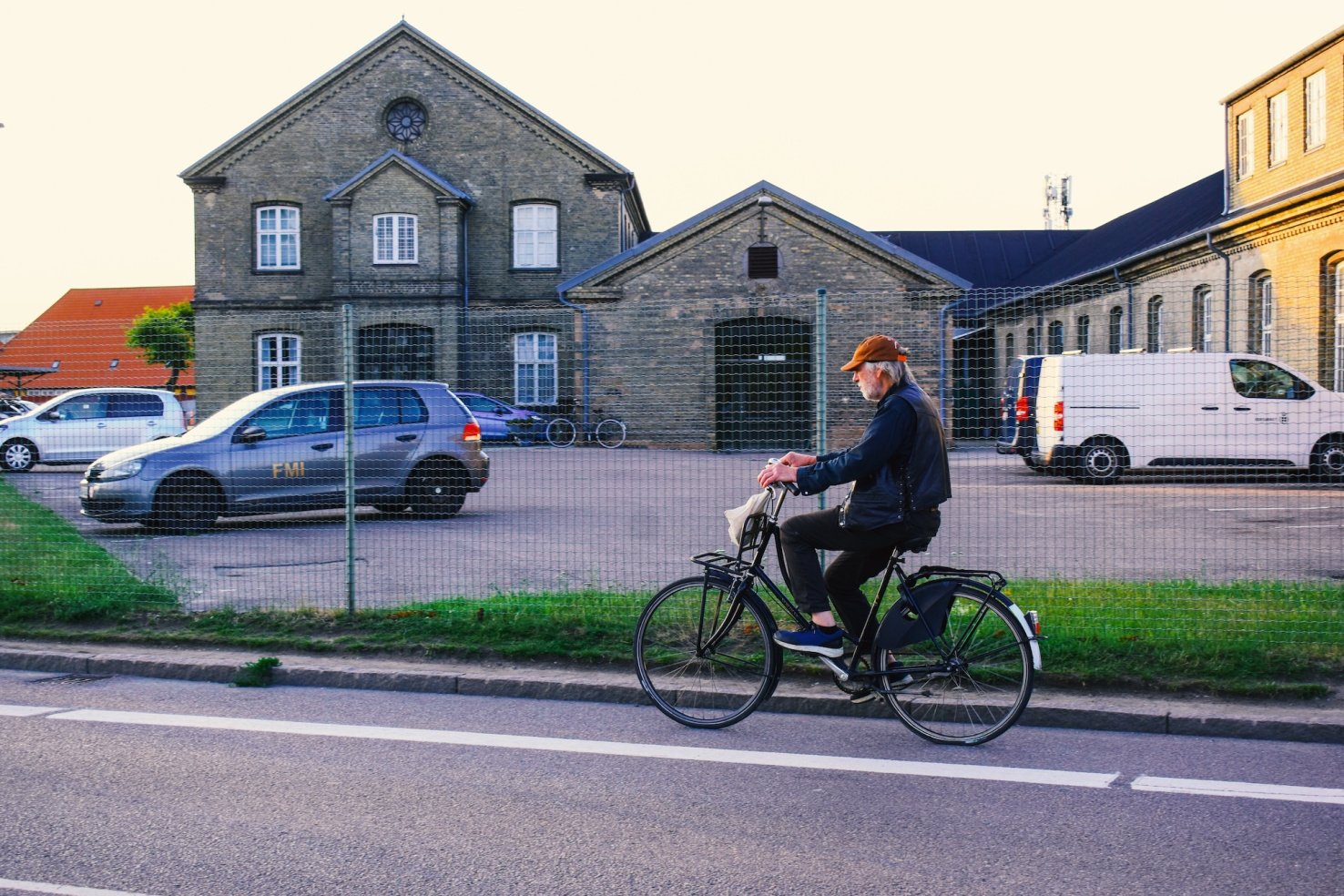
Longevity shows up in the same places that urban planners already shape: sidewalk quality, block length, distance to transit, shade and seating, food access, main-street vitality, and safety for people who move at different speeds
These aren’t medical interventions. They’re design choices that determine whether someone can remain mobile, maintain social connections, and live independently.
When cities prepare for older adults, they prepare for everyone.
Parents with strollers need the same accessible infrastructure as someone using a walker. Teens who don’t drive need the same transit as an 80-year old who stopped driving. Everyone wants safe crossings, shade, nearby food, places to sit, clean parks, public bathrooms, friendly streets, and opportunities to meet people.
Longevity-friendly design is universal design.
A longevity-ready city is simply a people-first city.
What makes a longevity-ready city?
Across the strongest global examples, five patterns appear:
Everyday movement is frictionless
Walking and biking feel safe and natural.
Nature isn’t a day trip, it’s on your street
Trees, water, and green spaces are nearby. They are not a destination.
Housing is flexible and connected
Flexible layouts, intergenerational options, and proximity to services.
Social infrastructure is taken seriously
Libraries, plazas, cafes, community centers, and third places are essential.
Purpose is built into civic life
Opportunities to contribute, learn, mentor, and belong.
These aren’t amenities. They are the building blocks of long, connected lives.
The next big frontier in urban planning
Urbanism has had defining eras: sustainability, new urbanism, walkability, complete streets, and climate adaptation.
The next one is emerging now: cities designed for longer lives.
Cities that plan for longer lives will attract workers, families, innovators, and older adults alike. Cities that don't will struggle with shrinking tax bases, rising healthcare costs, and deepening isolation.
The real question isn’t: “How do we manage aging populations?” It’s: “How do we design places where a long life is also a good life?”
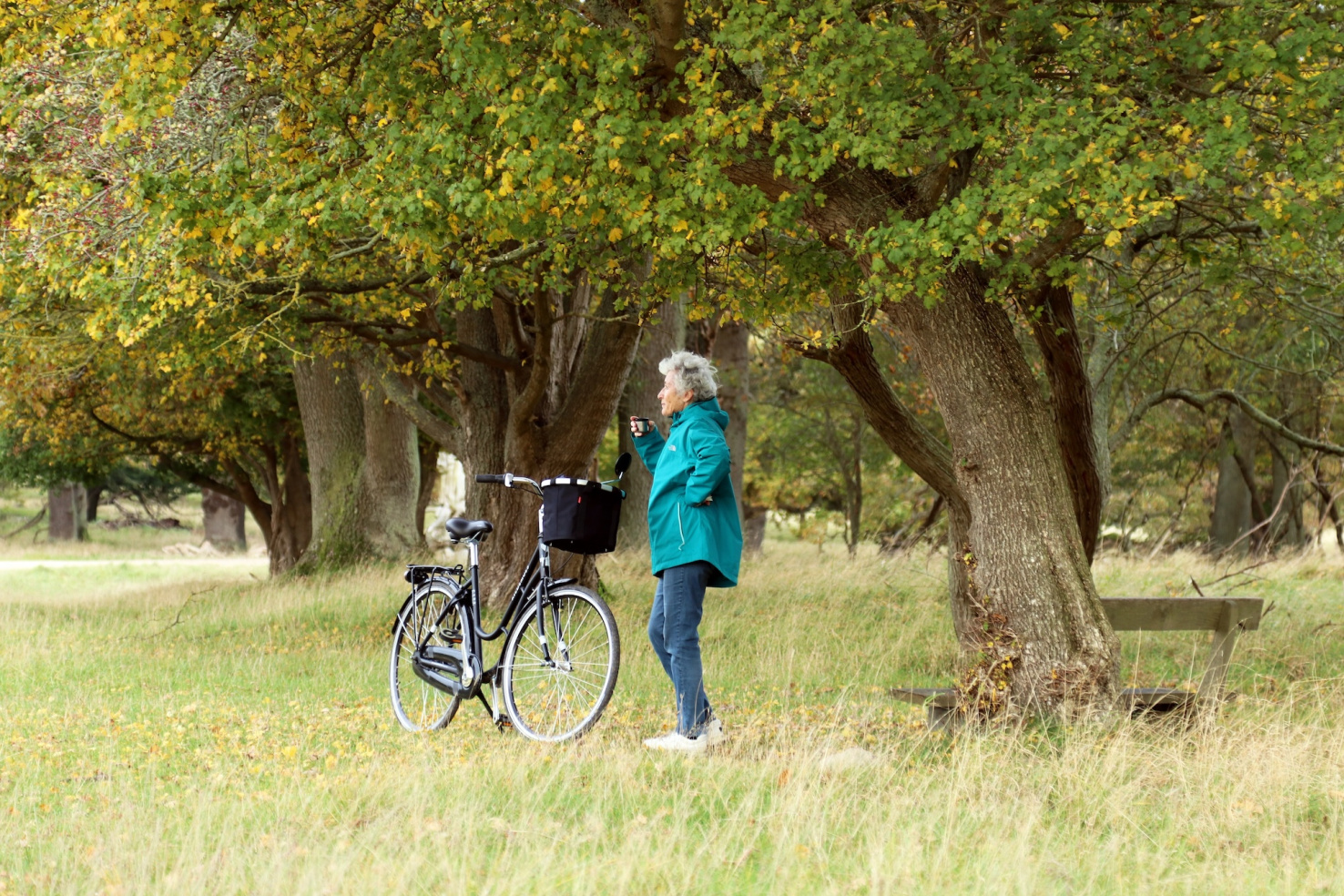

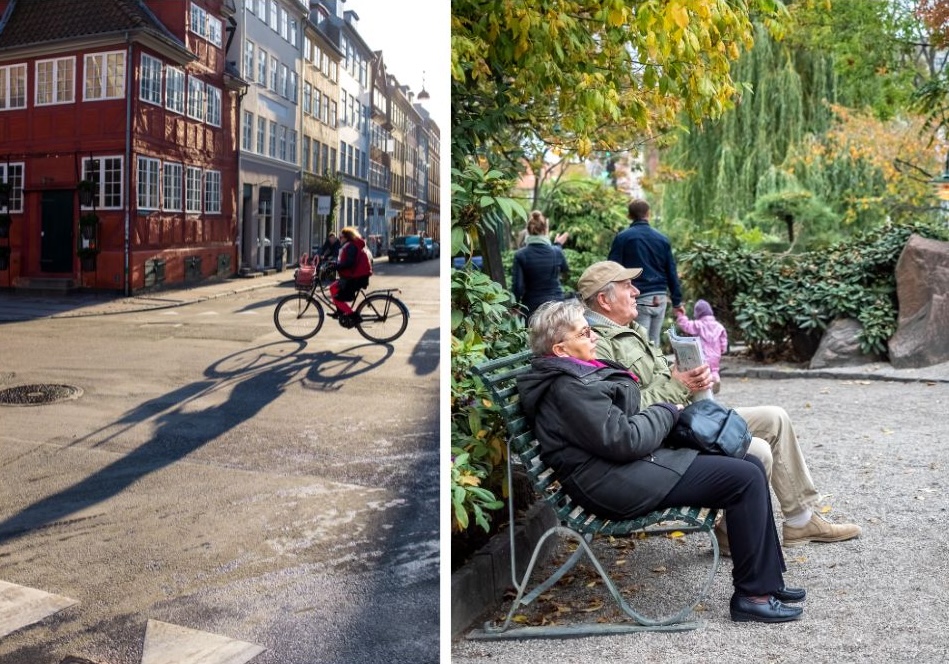
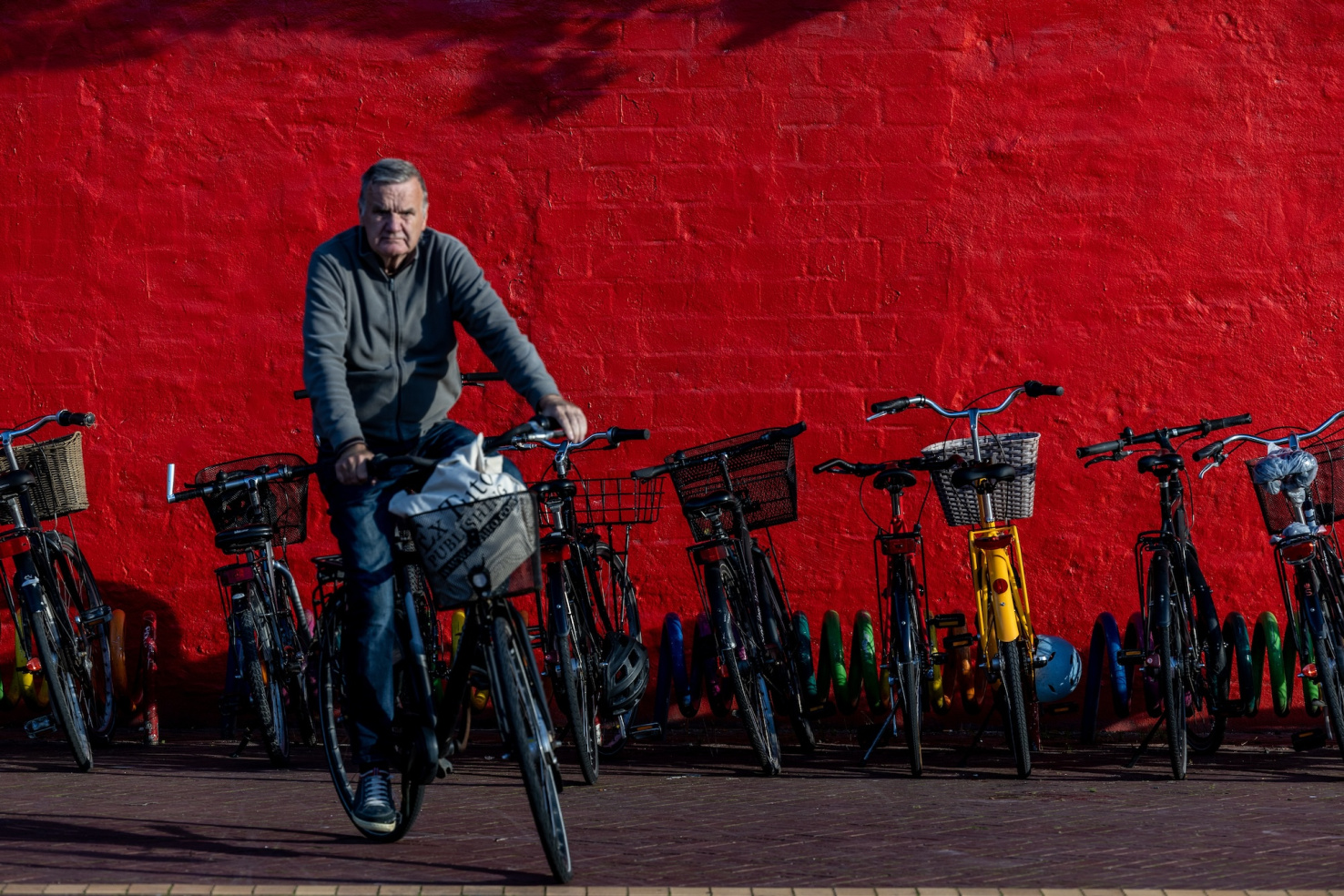
Walking around Copenhagen last summer, I kept thinking: this is what healthy aging looks like in real life. Not as policy, but as lived experience. It’s healthy aging manifested through thousands of small design choices that make independence easier, connection natural, and movement effortless.
But here's the question planners need to answer: How do cities actually build this? And what mechanisms turn planning into better health outcomes?
That’s where planning becomes preventive medicine. The next article will explore how cities apply that idea in planning decisions.
Next in this Longevity-Cities series: How cities can treat planning as preventive medicine.
Rajiv Ahuja is Co-Founder of WSDM Haus, a global platform helping cities prepare for healthy longevity. As a WRLDCTY Fellow, he studies how cities like Copenhagen, Singapore, and Vancouver plan for long, connected lives. Previously, he led aging and brain health work at the Milken Institute and the American Society on Aging.


Study: Walkability Can Help Reduce Dementia Risk
Walkable neighborhoods offer natural opportunities to stay active and engaged with friends and neighbors, increasing residents’ chances of remaining mentally and physically healthy longer.
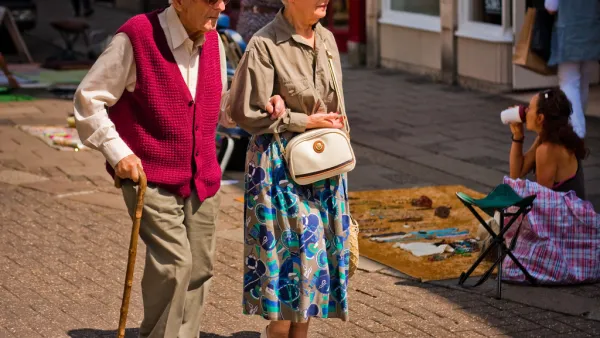
Redefining Public Spaces for Older People
The elderly population in cities is growing, and research points to the health benefits of an active, connected lifestyle. So why are cities still so inhospitable to aging?

New Mexico Aging Department Commits to Helping Seniors Age ‘In Place’ and ‘Autonomously’ in New Draft Plan
As New Mexico’s population of seniors continues to grow, the state’s aging department is proposing expanded initiatives to help seniors maintain their autonomy while also supporting family caregivers.

Planetizen Federal Action Tracker
A weekly monitor of how Trump’s orders and actions are impacting planners and planning in America.

The state-sanctioned urbicide of Austin
People don’t kill cities. Freeways do.

US to reduce Colorado River water deliveries to Mexico
A new Colorado Treaty amendment reduces Mexico’s Colorado River water allocation by 250,000 acre feet.

Amtrak not solely to blame for New Jersey commuter rail's unreliability, report finds
A new study from the Garden State initiative found that NJ Transit’s budget grew 20% across a 4 year period, but reliability declined significantly over the same period.

EPA erases limits on planet-warming pollution from power plants
Under Monday’s plan, power plants would still have some limits on how much mercury, arsenic and other contaminants they can emit.

Phoenix announces new on-demand transit service, more frequent RAPID buses
Both new services will launch in October, and are part of Phoenix's Project Effective Access Solutions for Easing Congestion.

FREE Course: Walkable City 1: Why Walkability?
After describing his path towards focusing on walkability as the essence of good planning, Jeff Speck marches through his five principal reasons for making more walkable places.
Reinventing Malls: Planning Alchemy—Turning Gray Fields Into Gold
The course focuses on the opportunities and imperatives that shape reinvention of mall sites.

Eagle County Government
Harvard University Graduate School of Design
Nashville Planning Department
The Architects Foundation
University of Cincinnati Online
The Pocatello Development Authority
The Urban Renewal Agency of the City of Pocatello
Journal of the American Planning Association

