Chuck Wolfe ponders a recommended subscription list of Substack urbanists and wonders — as have others — about the utility of the "urbanist" moniker.


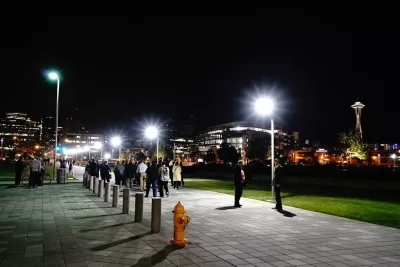
In response to efforts to organize readership on the trendy media platform, Wolfe asks, “What does such a list, and its omissions, tell us about how 'urbanism' itself is being framed, and perhaps, confined?”
Noting that the list-- effectively organized by Diana Lind and Ryan Puziycki--is primarily focused on the energetic, often data-driven, and solution-oriented urbanism of YIMBYs, transportation advocates, and the Strong Towns movement, he advocates more attention to the lived experience of the city and more generic urban settlements. He suggests a skillset built around less dogma and more narrative, immersion, and understanding.
He argues for careful attention to an “urbanism of experience and a broader scope of concerns” written about by Kaid Benfield in Summer 2024:
As Benfield said, the use of the term “urbanist” needs to expand—or perhaps it should not be used at all. I say embrace the discomfort of the personal, the unquantifiable, the deeply felt. The actual work of sustaining place, I believe, lies in this more holistic approach.
Read the full story: About Urbanism: An Essay

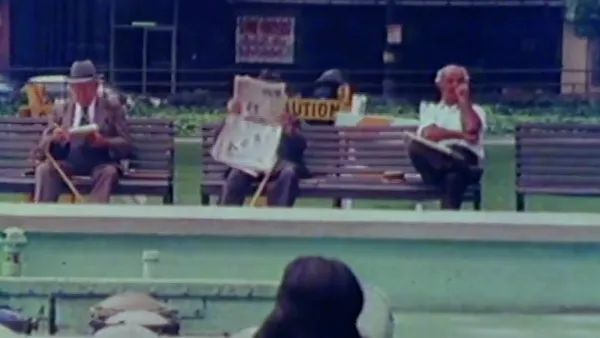
William Whyte’s Seminal Urban Film Restored
‘The Social Life of Small Urban Spaces’ changed the way planners view public space and ushered in a new way of understanding urban patterns.

In Praise of Analog Cities: Futureproofing in a Time of Crisis
I didn’t need a pandemic or a war to teach me that smart cities weren’t the future — but it sure drove the message home.
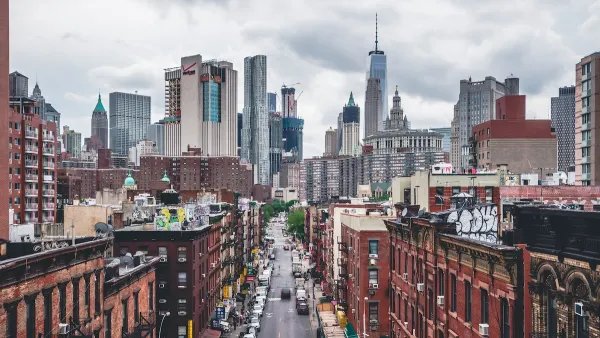
Is the Urban Form Sustainable?
One author offers a framework for resilience that rethinks common assumptions about the inevitability of cities as we know them.

Planetizen Federal Action Tracker
A weekly monitor of how Trump’s orders and actions are impacting planners and planning in America.

The state-sanctioned urbicide of Austin
People don’t kill cities. Freeways do.

US to reduce Colorado River water deliveries to Mexico
A new Colorado Treaty amendment reduces Mexico’s Colorado River water allocation by 250,000 acre feet.

Nation's most wind-powered state turns to coal as data centers increase energy demand
For the first time in decades, Iowa has increased its generation of coal power.

NYC cools commuters with city's first rain garden above a bus stop
New York City officials say the plants in the rain garden can absorb 16 gallons of rainwater during heavy storms.

Brightline West’s future may rely on $6 billion federal loan
The company has until Nov. 2 to make a $400 million equity investment into its proposed high-speed rail line.

FREE Course: Walkable City 1: Why Walkability?
After describing his path towards focusing on walkability as the essence of good planning, Jeff Speck marches through his five principal reasons for making more walkable places.
Reinventing Malls: Planning Alchemy—Turning Gray Fields Into Gold
The course focuses on the opportunities and imperatives that shape reinvention of mall sites.

Greater Baltimore Committee
Eagle County Government
Harvard University Graduate School of Design
The Architects Foundation
University of Cincinnati Online
The Pocatello Development Authority
The Urban Renewal Agency of the City of Pocatello
Journal of the American Planning Association