Boulder residents are working to put two housing-related proposals on the November ballot.


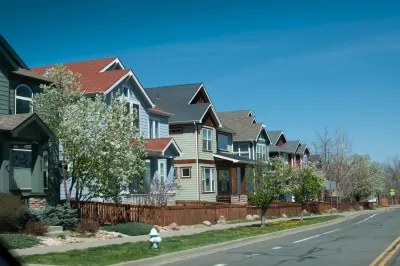
Two proposed ballot initiatives in Boulder, Colorado would create new development fees to fund public infrastructure and mandate affordable housing commitments for duplex and triplex conversions.
As John Herrick explains for Boulder Reporting Lab, “The measures reflect longstanding frustration among some residents over real estate speculation and the perceived impacts of increased housing density as the Boulder City Council seeks to address the city’s housing affordability crisis.”
The New Development Shall Pay for Its Impacts measure would implement an impact fee based on a project’s impact on water, sewers, and other public infrastructure. “The second measure would require homeowners to provide affordable housing if they convert a single-family home into a duplex or triplex.” While the measure is designed to ensure affordability, it could discourage homeowners from creating the ‘gentle density’ the city hopes to spur by allowing multifamily housing on single-family zoned lots.
FULL STORY: Boulder residents propose ballot measures to require developers to pay more, meet affordability requirements

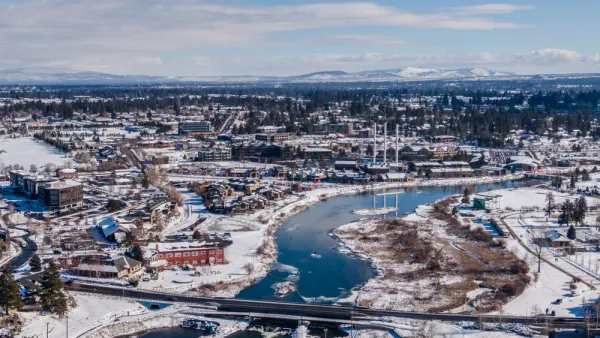
Upzoning Leads to Sharp Growth in Construction in Bend
After Oregon legalized 'missing middle housing' in cities statewide, Bend, the first city to comply with the state law, has experienced a significant boost in mid-density housing construction.
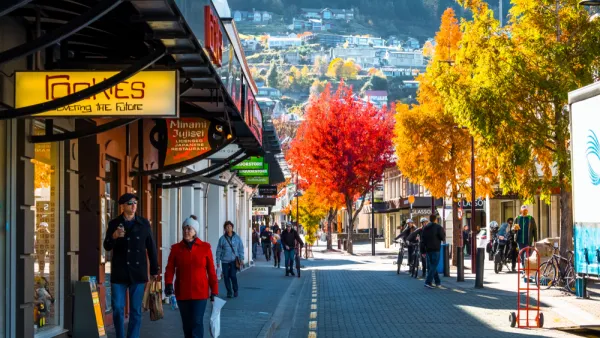
Zoning Reform: Lessons From New Zealand
The island nation is mandating mid-density zoning requirements and transit-oriented development in an effort to increase housing affordability and encourage compact development.
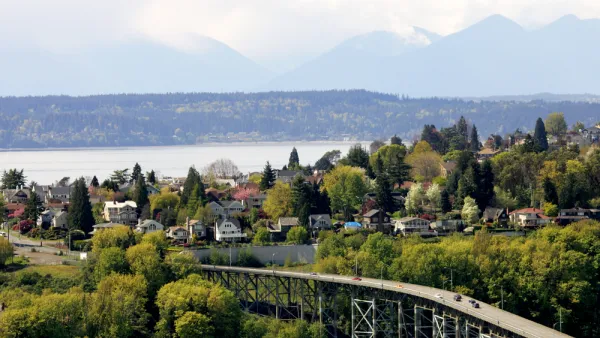
Survey: Seattle-Area Residents Support Upzoning
To fight the growing housing crisis, most King County residents support an end to single-family zoning and accelerated housing development, according to a new poll.

Planetizen Federal Action Tracker
A weekly monitor of how Trump’s orders and actions are impacting planners and planning in America.

The state-sanctioned urbicide of Austin
People don’t kill cities. Freeways do.

US to reduce Colorado River water deliveries to Mexico
A new Colorado Treaty amendment reduces Mexico’s Colorado River water allocation by 250,000 acre feet.

Mamdani overhauls NYC's Vision Zero plan with 100 new policy goals
The overhaul aims to reduce traffic deaths and make streets safer for pedestrians, cyclists and drivers through lower speed limits, new safety infrastructure and more.

Amtrak not solely to blame for New Jersey commuter rail's unreliability, report finds
A new study from the Garden State Initiative found that NJ Transit’s budget grew 20% across a 4 year period, but reliability declined significantly over the same period.

EPA erases limits on planet-warming pollution from power plants
Under Monday’s plan, power plants would still have some limits on how much mercury, arsenic and other contaminants they can emit.

FREE Course: Walkable City 1: Why Walkability?
After describing his path towards focusing on walkability as the essence of good planning, Jeff Speck marches through his five principal reasons for making more walkable places.
Reinventing Malls: Planning Alchemy—Turning Gray Fields Into Gold
The course focuses on the opportunities and imperatives that shape reinvention of mall sites.

Eagle County Government
Harvard University Graduate School of Design
Nashville Planning Department
The Architects Foundation
University of Cincinnati Online
The Pocatello Development Authority
The Urban Renewal Agency of the City of Pocatello
Journal of the American Planning Association