The freedom to move remains unevenly distributed between people of different backgrounds.


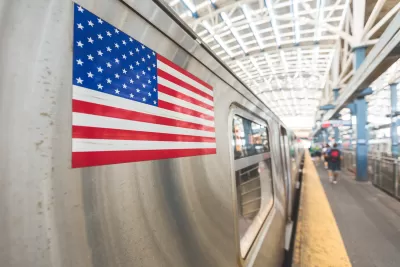
In an op-ed in Streetsblog USA, Ruth Rosas connects the immigration debate to mobility, arguing that the freedom to move extends to more than just physical infrastructure; “It’s also about whether people can exist in public without fear.”
For many immigrants and people of color, moving about in American cities and towns is a fraught proposition.
Many immigrants rely on buses, trains, walking, and biking because they cannot obtain a driver’s license. But relying on these modes of transportation can increase vulnerability in these public spaces. Walking and biking aren’t always safer, and jaywalking laws, biking citations, and over-policing in immigrant and communities of color mean that simply existing in public space can be a liability.
According to Rosas, “Mobility justice demands that we confront the surveillance, policing, and xenophobia embedded in our transportation systems. It demands we stop asking people to prove their worth before they can move without fear. It means acknowledging our streets, sidewalks, and bus stops are not neutral but political.” Until everyone can use them safely and equitably, Rosas notes, transportation remains political.
Read the full story: Freedom to Move: Why Immigration Belongs in the Mobility Conversation

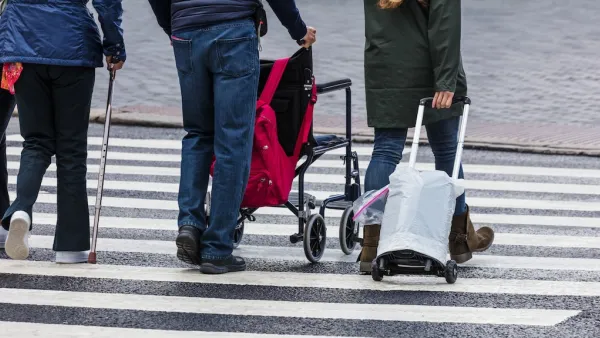
‘Week Without Driving’ Highlights Needs of Non-Drivers
The event encourages public officials to use their local public transit and engage with the people who rely on it every day.
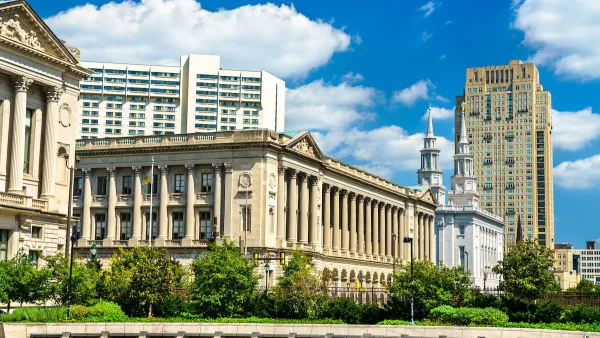
The Link Between Public Transit and Justice
The chancellor of the Philadelphia Bar Association argues that a robust transit system is key to ensuring people on all sides of the justice system can access courts and resources.
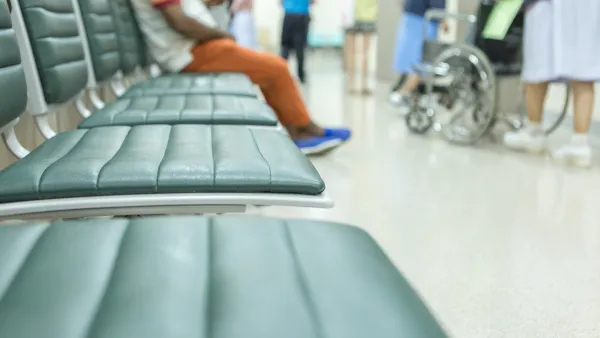
Linking Transportation Access and Public Health
Millions of Americans miss medical care and other important day-to-day appointments due to a lack of access to reliable transportation.

Planetizen Federal Action Tracker
A weekly monitor of how Trump’s orders and actions are impacting planners and planning in America.

The state-sanctioned urbicide of Austin
People don’t kill cities. Freeways do.

US to reduce Colorado River water deliveries to Mexico
A new Colorado Treaty amendment reduces Mexico’s Colorado River water allocation by 250,000 acre feet.

Nation's most wind-powered state turns to coal as data centers increase energy demand
For the first time in decades, Iowa has increased its generation of coal power.

NYC cools commuters with city's first rain garden above a bus stop
New York City officials say the plants in the rain garden can absorb 16 gallons of rainwater during heavy storms.

Brightline West’s future may rely on $6 billion federal loan
The company has until Nov. 2 to make a $400 million equity investment into its proposed high-speed rail line.

FREE Course: Walkable City 1: Why Walkability?
After describing his path towards focusing on walkability as the essence of good planning, Jeff Speck marches through his five principal reasons for making more walkable places.
Reinventing Malls: Planning Alchemy—Turning Gray Fields Into Gold
The course focuses on the opportunities and imperatives that shape reinvention of mall sites.

Eagle County Government
Harvard University Graduate School of Design
Nashville Planning Department
The Architects Foundation
University of Cincinnati Online
The Pocatello Development Authority
The Urban Renewal Agency of the City of Pocatello
Journal of the American Planning Association