A plan to alter zoning for parts of Midtown would permit new housing and make it easier to convert office buildings to residential units.



New York City’s City of Yes zoning reform initiative is taking a step forward with a proposal for Midtown Manhattan that would, according to city officials, make way for nearly 10,000 new housing units.
According to a New York Times article by Mihir Zaveri, the proposal would rezone 42 blocks to allow for residential construction and adaptive reuse in an area struggling to recover after the pandemic. The two councilmembers representing the neighborhood favor the plan. “The four areas affected by the plan include swaths between 35th and 40th Streets south of Bryant Park; between 34th and 41st Streets west of Broadway; and two chunks between 23rd and 31st Streets on either side of Sixth Avenue. There are already a variety of buildings in these zones, including several high-rises that were built before zoning restrictions were put in place in the mid-20th century.”
Zaveri notes that “The Midtown plan is also designed to boost retail in the neighborhood, where vacancies in commercial buildings and less foot traffic have contributed to a feeling of gloom.”
FULL STORY: New York City Seeks Jolt for Midtown With Plan to Build 10,000 Homes


‘City of Yes’ Zoning Reform Gains Planning Commission Approval
The proposal to overhaul New York City’s zoning code, popular with voters, to make housing development easier faces opposition in the City Council.

Will New York ‘City of Yes’ Proposal Make an Impact?
Some housing experts say the rezoning plan is not nearly ambitious enough to make a dent in the city’s housing crisis.
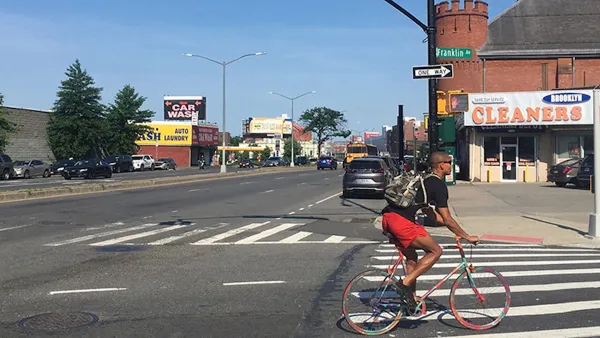
NYC Rezoning Plans Could Create Thousands of New Housing Units
Zoning changes in Brooklyn, the Bronx, and Midtown Manhattan would allow residential construction in areas previously zoned for light manufacturing.

The state-sanctioned urbicide of Austin
People don’t kill cities. Freeways do.

US to reduce Colorado River water deliveries to Mexico
A new Colorado Treaty amendment reduces Mexico’s Colorado River water allocation by 250,000 acre feet.

New Jersey’s second-largest city bans standalone data centers
Jersey City will continue to allow co-location facilities, such as those meant for research institutions that store their own data.

Amtrak not solely to blame for New Jersey commuter rail's unreliability, report finds
A new study from the Garden State Initiative found that NJ Transit’s budget grew 20% across a 4 year period, but reliability declined significantly over the same period.

EPA erases limits on planet-warming pollution from power plants
Under Monday’s plan, power plants would still have some limits on how much mercury, arsenic and other contaminants they can emit.

Phoenix announces new on-demand transit service, more frequent RAPID buses
Both new services will launch in October, and are part of Phoenix's Project Effective Access Solutions for Easing Congestion.

FREE Course: Walkable City 1: Why Walkability?
After describing his path towards focusing on walkability as the essence of good planning, Jeff Speck marches through his five principal reasons for making more walkable places.
Reinventing Malls: Planning Alchemy—Turning Gray Fields Into Gold
The course focuses on the opportunities and imperatives that shape reinvention of mall sites.

Eagle County Government
Harvard University Graduate School of Design
Nashville Planning Department
The Architects Foundation
University of Cincinnati Online
The Pocatello Development Authority
The Urban Renewal Agency of the City of Pocatello
Journal of the American Planning Association