A focus on ‘placemaking’ too often obscures or exploits local culture and history.


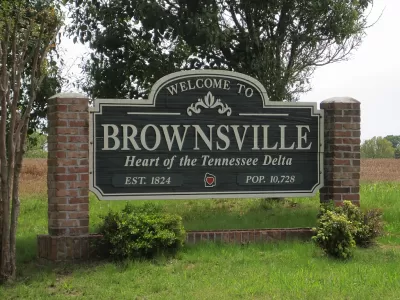
In a piece for The Daily Yonder, Shawn Pitts makes the case for rural placemaking, noting that residents and city leaders in rural communities often overlook their cultural resources.
According to Pitts, “Recognizing and elevating traditional art forms and folkways can do wonders for building positive local identity, and small-town arts agencies should do it whenever possible. Some communities hire outside experts to conduct fieldwork for this purpose, but the more hands-on local arts organizers can be, the better the result.”
Pitts explains how organizations can conduct surveys to understand their local resources, history, and the local art and places that residents cherish most. Pitts describes his discomfort with the term “placemaking,” writing that “It’s more about recognizing the authentic identity and inherent value of a place, and less about making anything new.”
Cautioning against “placemaking gone wrong” that exploits rather than celebrates local culture, Pitts notes, “At its best, creative placemaking seeks to promote deeper engagement and better understanding in the target community; the economic benefits are a bonus. Forethought and planning are required to achieve both, but many communities have found ways to capitalize on strengths in ways that are simultaneously respectful of local tradition and beneficial for the creative economy.”
FULL STORY: Rural Placemaking: More About the Place, Less About the Making

New Book Analyzes America’s Poorest Communities
The similarities between the nation’s most disadvantaged areas, often rural, reveal the economic patterns that lead to chronic poverty.
3 Myths About Rural America and How to Debunk Them
The effort to debunk common myths about rural America in academia and the news media continues.
New Ruralism Initiative Releases Report
"Lessons in New Ruralism" shares 20 case studies of prosperous rural communities from across the United States.

Planetizen Federal Action Tracker
A weekly monitor of how Trump’s orders and actions are impacting planners and planning in America.

The state-sanctioned urbicide of Austin
People don’t kill cities. Freeways do.

US to reduce Colorado River water deliveries to Mexico
A new Colorado Treaty amendment reduces Mexico’s Colorado River water allocation by 250,000 acre feet.

5 New England states march closer to 800 megawatt wind energy project
Securing federal approval for the project may be complicated under the Trump administration, which has historically been hostile towards domestic wind power.

Baltimore to break ground on $50 million Transit Priority Project
The project will bring faster bus trips, safer streets and better bike connections to Baltimore.

Airbnb launches $250 million 'last-dollar financing' housing accelerator, makes first investment in Austin
The company will put $6.4 million towards affordable housing development in Texas’ capital.

FREE Course: Walkable City 1: Why Walkability?
After describing his path towards focusing on walkability as the essence of good planning, Jeff Speck marches through his five principal reasons for making more walkable places.
Reinventing Malls: Planning Alchemy—Turning Gray Fields Into Gold
The course focuses on the opportunities and imperatives that shape reinvention of mall sites.


Eagle County Government
Harvard University Graduate School of Design
Nashville Planning Department
The Architects Foundation
University of Cincinnati Online
The Pocatello Development Authority
The Urban Renewal Agency of the City of Pocatello
Journal of the American Planning Association