A state law known as the Mount Laurel Doctrine mandates that each jurisdiction accommodate enough new housing units to meet the local demand for affordable housing.


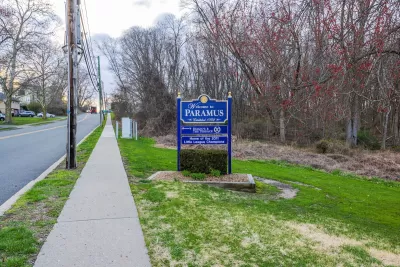
In an article for the Morristown Daily Record, William Westhoven describes the tension between some New Jersey suburbs and the state government, which is calling on each local jurisdiction to accommodate enough housing production to meet demand and lower the cost of housing through its Mount Laurel Doctrine, a 1975 law strengthened by 2015 legislation. The doctrine is designed to ease zoning regulations that bar high-density housing.
The state’s Department of Community Affairs is calling for 85,000 new housing units, mostly in the northern part of the state. Some local officials, such as Parsippany Mayor James Barberio, say the push more higher-density housing could strain local infrastructure and budgets and force cities to “sacrifice quality for quantity.”
While some cities are fighting the mandates, others are building hundreds of units of new housing. According to the Fair Share Housing Center, “Since the reinvigoration of Mount Laurel enforcement in 2015, the rate of affordable housing production has nearly doubled.”
According to the DCA, their numbers are non-binding, and “Towns can present their own calculations or challenge the agency's determination based on issues including sewer capacity, slope angles on open space or other environmental concerns. Additional credits can be obtained for certain housing categories including group homes for individuals with disabilities.”
FULL STORY: NJ unveils new affordable housing obligations. How much does your town have to build?


DC Residents Want Affordability Over ‘Character’
A poll finds that most residents want to see changes in zoning and land use laws that unlock more housing construction in the District and improve affordability.

Can Zoning Reform Save Pittsburgh’s Affordable Housing?
With home sale prices growing faster than anywhere in the country, the Steel City could enact major reforms to boost density and lower housing costs.

Pennsylvania Housing Action Plan Calls for $1B Fund, Expanded Renter Protections, Homebuyer Assistance
Gov. Shapiro’s proposed plan would bolster support for renters and homebuyers and reduce barriers to housing development.

Planetizen Federal Action Tracker
A weekly monitor of how Trump’s orders and actions are impacting planners and planning in America.

The state-sanctioned urbicide of Austin
People don’t kill cities. Freeways do.

US to reduce Colorado River water deliveries to Mexico
A new Colorado Treaty amendment reduces Mexico’s Colorado River water allocation by 250,000 acre feet.

Mamdani overhauls NYC's Vision Zero plan with 100 new policy goals
The overhaul aims to reduce traffic deaths and make streets safer for pedestrians, cyclists and drivers through lower speed limits, new safety infrastructure and more.

Amtrak not solely to blame for New Jersey commuter rail's unreliability, report finds
A new study from the Garden State Initiative found that NJ Transit’s budget grew 20% across a 4 year period, but reliability declined significantly over the same period.

EPA erases limits on planet-warming pollution from power plants
Under Monday’s plan, power plants would still have some limits on how much mercury, arsenic and other contaminants they can emit.

FREE Course: Walkable City 1: Why Walkability?
After describing his path towards focusing on walkability as the essence of good planning, Jeff Speck marches through his five principal reasons for making more walkable places.
Reinventing Malls: Planning Alchemy—Turning Gray Fields Into Gold
The course focuses on the opportunities and imperatives that shape reinvention of mall sites.

Eagle County Government
Harvard University Graduate School of Design
Nashville Planning Department
The Architects Foundation
University of Cincinnati Online
The Pocatello Development Authority
The Urban Renewal Agency of the City of Pocatello
Journal of the American Planning Association