Some states and industry groups have sued to stop the Bureau of Land Management from enforcing the new rule, which promotes the conservation and restoration of public lands and shifts focus away from extractive uses.


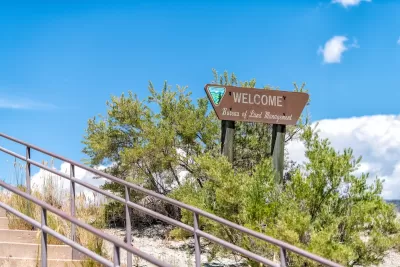
A coalition of tribal, community, and environmental groups filed a motion to help preserve the federal Bureau of Land Management’s public lands rule after the rule was challenged by states and industry groups reluctant to give up extraction rights on federal lands in several lawsuits.
Today, roughly 90 percent of BLM lands are open to oil and gas leasing. The public lands rule, passed earlier this year, elevates conservation to the same priority as other uses. According to an article from WildEarth Guardians, “The rule upholds the Bureau’s mission to manage public lands for conservation as both the trustee of federal public lands for the benefit of the American people and the regulator of federal public lands uses, according to WELC experts, eight state attorneys general, and 27 law professors. Valid existing rights to graze, mine, and drill will not be affected by the rule’s core provisions.”
Conservation mechanisms and tools included in the rule include “increased Area of Critical Environmental Concern designation, identifying and preserving intact landscapes, instituting widespread land health standards, undertaking restoration planning, and creating a new leasing program focused on restoration and mitigation.”
FULL STORY: Third legal intervention filed to defend federal public lands conservation rule from lawsuits

BLM To Rescind Public Lands Rule
The change will downgrade conservation, once again putting federal land at risk for mining and other extractive uses.
New Executive Order Renews Attack on Public Lands
An order issued late last week pushes for increased mineral extraction on federally owned public lands.

Key Wins for Conservation in 2024
The year brought some important victories to advocates for public lands, national monuments, and the reclamation of Indigenous history.

Planetizen Federal Action Tracker
A weekly monitor of how Trump’s orders and actions are impacting planners and planning in America.

The state-sanctioned urbicide of Austin
People don’t kill cities. Freeways do.

US to reduce Colorado River water deliveries to Mexico
A new Colorado Treaty amendment reduces Mexico’s Colorado River water allocation by 250,000 acre feet.

Mamdani overhauls NYC's Vision Zero plan with 100 new policy goals
The overhaul aims to reduce traffic deaths and make streets safer for pedestrians, cyclists and drivers through lower speed limits, new safety infrastructure and more.

Amtrak not solely to blame for New Jersey commuter rail's unreliability, report finds
A new study from the Garden State Initiative found that NJ Transit’s budget grew 20% across a 4 year period, but reliability declined significantly over the same period.

EPA erases limits on planet-warming pollution from power plants
Under Monday’s plan, power plants would still have some limits on how much mercury, arsenic and other contaminants they can emit.

FREE Course: Walkable City 1: Why Walkability?
After describing his path towards focusing on walkability as the essence of good planning, Jeff Speck marches through his five principal reasons for making more walkable places.
Reinventing Malls: Planning Alchemy—Turning Gray Fields Into Gold
The course focuses on the opportunities and imperatives that shape reinvention of mall sites.

Eagle County Government
Harvard University Graduate School of Design
Nashville Planning Department
The Architects Foundation
University of Cincinnati Online
The Pocatello Development Authority
The Urban Renewal Agency of the City of Pocatello
Journal of the American Planning Association