The program has led to reductions in stop-and-go traffic of as much as 50 percent.



A pilot program that uses artificial intelligence (AI) platform Green Light to improve traffic flows in Boston has led to a noticeable reduction in stop-and-go traffic, reports Jonathan Andrews in Cities Today.
“A platform like Green Light is a low-barrier way for us to try more frequent signal timing changes that are responsive to recent traffic conditions. The automated impact analysis helped us evaluate the recommendations– and by extension, the value of the platform –very easily,” said Michael Lawrence Evans, Director of Emerging Technology for the City of Boston.
Engineers at the Boston Transportation Department assessed the AI recommendations to decide where and whether to implement them. “At one intersection, stop-and-go traffic has been reduced by over 50 percent and cities around the world that use Project Greenlight have reportedly experienced a 10 percent average reduction in emissions.”
The city says the tool assists them in identifying signals that need to be optimized “particularly at the 300 signalised intersections that are not directly connected to the city’s Traffic Management Center.”
FULL STORY: Boston uses AI to reduce stop-go traffic by 50 percent

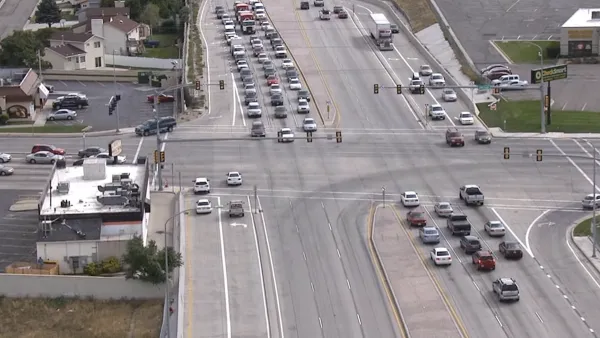
North Carolina Deploys 2,500 AI-Based Traffic Signals
The signals use AI to collect data and help traffic engineers make decisions and implement changes more quickly and effectively.
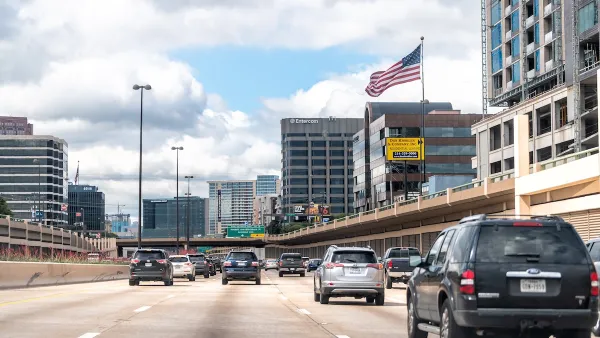
Traffic Tech is Helping Texas Curb Road Deaths
The state is deploying AI-assisted technology to identify dangerous road segments and improve signal timing.

Does every planner need an AI policy?
From a hundred-person agency to a one-person consultancy, the answer is yes. The difference is what “policy" means.

Planetizen Federal Action Tracker
A weekly monitor of how Trump’s orders and actions are impacting planners and planning in America.

The state-sanctioned urbicide of Austin
People don’t kill cities. Freeways do.

US to reduce Colorado River water deliveries to Mexico
A new Colorado Treaty amendment reduces Mexico’s Colorado River water allocation by 250,000 acre feet.

Mamdani overhauls NYC's Vision Zero plan with 100 new policy goals
The overhaul aims to reduce traffic deaths and make streets safer for pedestrians, cyclists and drivers through lower speed limits, new safety infrastructure and more.

Amtrak not solely to blame for New Jersey commuter rail's unreliability, report finds
A new study from the Garden State Initiative found that NJ Transit’s budget grew 20% across a 4 year period, but reliability declined significantly over the same period.

EPA erases limits on planet-warming pollution from power plants
Under Monday’s plan, power plants would still have some limits on how much mercury, arsenic and other contaminants they can emit.

FREE Course: Walkable City 1: Why Walkability?
After describing his path towards focusing on walkability as the essence of good planning, Jeff Speck marches through his five principal reasons for making more walkable places.
Reinventing Malls: Planning Alchemy—Turning Gray Fields Into Gold
The course focuses on the opportunities and imperatives that shape reinvention of mall sites.

Eagle County Government
Harvard University Graduate School of Design
Nashville Planning Department
The Architects Foundation
University of Cincinnati Online
The Pocatello Development Authority
The Urban Renewal Agency of the City of Pocatello
Journal of the American Planning Association