Two recently discovered borer beetles could lead to a significant loss of tree canopy.


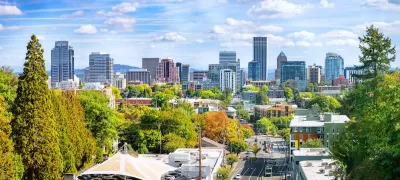
Two invasive beetles could pose a significant threat to Portland’s tree canopy, according to state foresters and researchers, reports April Erlich for OPB, limiting the effectiveness of trees as a tool for reducing the urban heat island effect.
One pest, the emerald ash borer, could decimate the ash species that make up 5 percent of Portland’s urban residential tree stock. “Outside of urban areas, the ash borer could kill trees that shade streams and rivers, in turn making those waterways warmer. That’s bad news for the Willamette River, which is already struggling to meet federal regulations on temperature.”
The Mediterranean oak borer, another beetle, “tunnels beneath an oak tree’s bark, carrying with it a fungus that grows within the tree and becomes the borer’s main food source. The fungus can cause a disease called oak wilt, which blocks trees’ ability to take in water and nutrients. Infected trees typically die within a few years.”
Together, these two new threats could spread and have a major impact on Oregon forests and limit the beneficial impact of trees on urban air quality, temperatures, and public health.
FULL STORY: New pests threaten Portland’s trees. They could make future heat waves even hotter

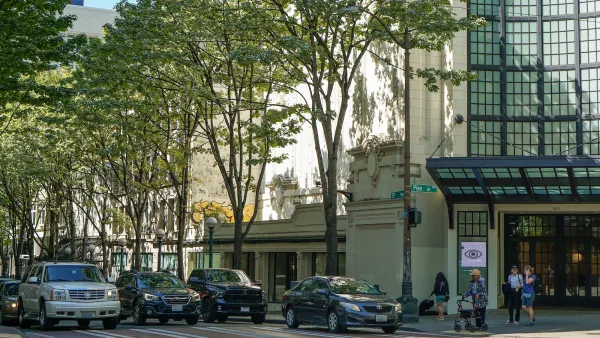
Washington Urban Forestry Program Faces 'Existential' Budget Cut
A proposed budget eliminates funding for a key urban forestry program that funds greening efforts across the state.
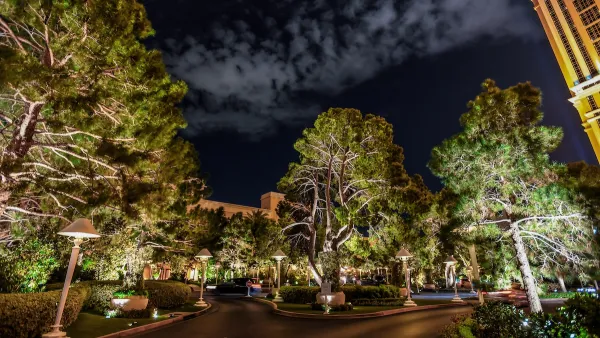
Urban Trees Have Bigger Impact in Hot, Dry Cities
The cooling effect of robust urban tree canopies is more pronounced in hotter, drier cities like Phoenix and Las Vegas.
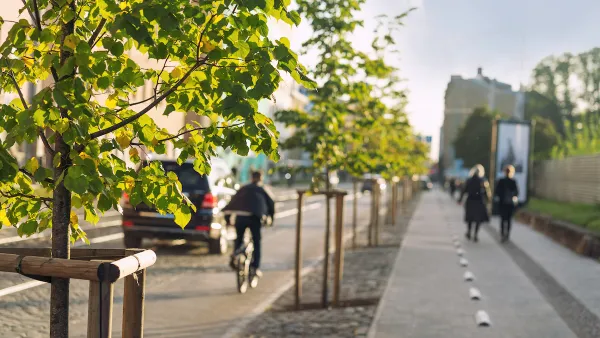
Planting Trees Where They are Most Needed
Recently, the U.S. Forest Service awarded over $1 billion in competitive grants to expand equitable access to trees and their benefits. Grantees include Los Angeles County and TreePeople, who are working to plant trees where they are most needed.

Planetizen Federal Action Tracker
A weekly monitor of how Trump’s orders and actions are impacting planners and planning in America.

The state-sanctioned urbicide of Austin
People don’t kill cities. Freeways do.

US to reduce Colorado River water deliveries to Mexico
A new Colorado Treaty amendment reduces Mexico’s Colorado River water allocation by 250,000 acre feet.

Mamdani overhauls NYC's Vision Zero plan with 100 new policy goals
The overhaul aims to reduce traffic deaths and make streets safer for pedestrians, cyclists and drivers through lower speed limits, new safety infrastructure and more.

Amtrak not solely to blame for New Jersey commuter rail's unreliability, report finds
A new study from the Garden State Initiative found that NJ Transit’s budget grew 20% across a 4 year period, but reliability declined significantly over the same period.

EPA erases limits on planet-warming pollution from power plants
Under Monday’s plan, power plants would still have some limits on how much mercury, arsenic and other contaminants they can emit.

FREE Course: Walkable City 1: Why Walkability?
After describing his path towards focusing on walkability as the essence of good planning, Jeff Speck marches through his five principal reasons for making more walkable places.
Reinventing Malls: Planning Alchemy—Turning Gray Fields Into Gold
The course focuses on the opportunities and imperatives that shape reinvention of mall sites.

Eagle County Government
Harvard University Graduate School of Design
Nashville Planning Department
The Architects Foundation
University of Cincinnati Online
The Pocatello Development Authority
The Urban Renewal Agency of the City of Pocatello
Journal of the American Planning Association