A successful lawsuit over 20 years of contamination of Anniston, Alabama, results in a wave of anger among residents who feel cheated and abandoned.


"Finally, someone was interested in Anniston's west end, a poor neighborhood where for decades toxic chemicals had leaked into the soil... It is a painful twist in a saga that has attracted national attention because of the gravity of the contamination, and because its victims were not warned of the risks until the mid-1990s, more than 20 years after the dangers of PCBs were known. The chemicals are thought to cause cancer and have adverse effects on immune, reproductive and nervous systems... The announcement ended with a punch line: Once the lawyers and other expenses are paid, the awards for each of the Anniston plaintiffs will average $7,725, though some will receive more if their health damages are shown to be greater."
Thanks to Chris Steins
Read the full story: A Neighborhood of Poisoned Dreams


Planetizen Federal Action Tracker
A weekly monitor of how Trump’s orders and actions are impacting planners and planning in America.

‘Going backwards:’ Baltimore mayor, students rally against state's transit funding plan
Maryland's proposed six-year plan provides no funding for Baltimore’s BMORE bus program and reduces its road maintenance funding.
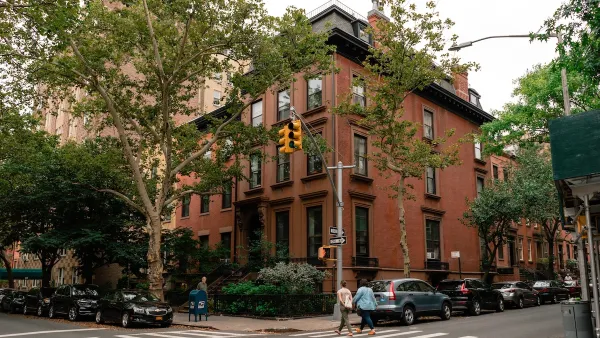
Mamdani sent nearly 6,000 pied-à-terre tax warnings to homes that didn’t qualify
A judge has ordered the administration to cancel thousands of pied-à-terre tax notices after it sent 35% of them erroneously.

Mamdani sent nearly 6,000 pied-à-terre tax warnings to homes that didn’t qualify
A judge has ordered the administration to cancel thousands of pied-à-terre tax notices after it sent 35% of them erroneously.

Detroit to transform waterfront with $2.2 billion investment
Developers will convert about 18 acres of unused parking lot space into civic spaces.

‘Going backwards:’ Baltimore mayor, students rally against state's transit funding plan
Maryland's proposed six-year plan provides no funding for Baltimore’s BMORE bus program and reduces its road maintenance funding.

FREE Course: Walkable City 1: Why Walkability?
After describing his path towards focusing on walkability as the essence of good planning, Jeff Speck marches through his five principal reasons for making more walkable places.
Reinventing Malls: Planning Alchemy—Turning Gray Fields Into Gold
The course focuses on the opportunities and imperatives that shape reinvention of mall sites.

City of Thousand Oaks
City of Wisconsin Rapids
Harvard University Graduate School of Design
The Architects Foundation
University of Cincinnati Online
Northern Illinois Transit Authority (NITA)
The Pocatello Development Authority
The Urban Renewal Agency of the City of Pocatello