The Alaska Department of Transportation and its consultants are working on a Planning and Environmental Linkages study of the Glenn-Seward Highway that bisects the middle of Anchorage, Alaska.


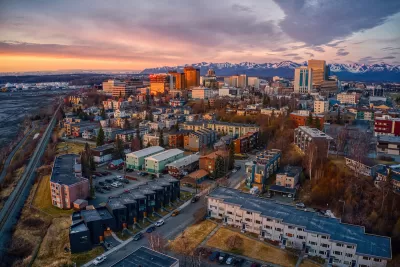
State transportation officials have presented a variety of concepts for a new high-speed highway that cuts through the center of the city, but there is growing consensus among members of the public and some local officials around less expensive options that could change how everyone gets in, out and around Alaska's largest urban area.
According to an article from Alaska Public Media by Jeremy Hsieh, “The flashiest idea calls for building a new highway bypass through the Airport Heights neighborhood with an elevated viaduct over park land.” But officials from the Anchorage Metropolitan Area Transportation Solutions (AMATS), the local metropolitan planning organization, say their long term plan involves rebuilding the roads with Complete Street elements in mind. “That would likely mean fewer vehicle lanes, lower speed limits, safer sidewalks, better crosswalks and bike-friendly improvements. The AMATS estimate for that is about $75 million.”
A preliminary list of project options are being refined based on public input. Concepts for a new high-speed highway alternative have been met with skepticism from members of the public and some local officials.
FULL STORY: Key Anchorage stakeholders skeptical of megaproject solutions to connect Seward and Glenn highways

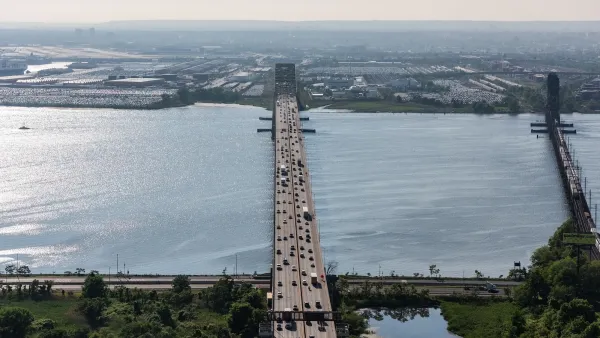
New Jersey Governor Kills ‘Boondoggle’ Highway Expansion
Gov. Sherrill ‘right-sized’ the Newark Bay Bridge reconstruction project, nixing a second proposed bridge and road expansion.
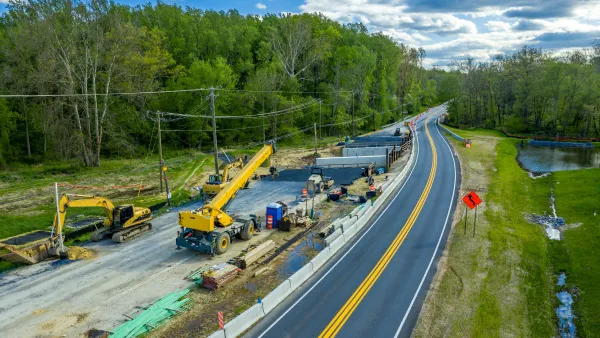
Study: Cost of Expanding Roads Outweighs Benefits
New research shows that the economic benefits of roadbuilding projects don’t come close to exceeding most projects’ costs.
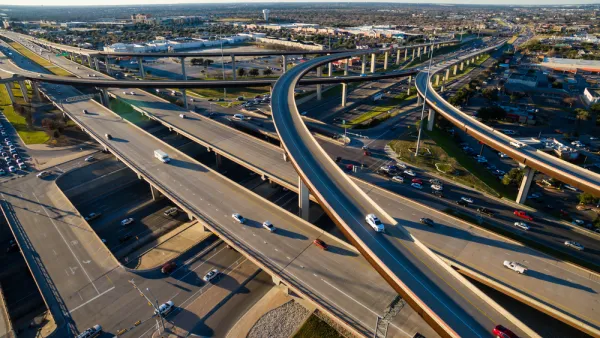
The True Cost of Texas Highways
An explainer of the monetary, environmental, and social costs of exuberant road building.

Planetizen Federal Action Tracker
A weekly monitor of how Trump’s orders and actions are impacting planners and planning in America.

The state-sanctioned urbicide of Austin
People don’t kill cities. Freeways do.

US to reduce Colorado River water deliveries to Mexico
A new Colorado Treaty amendment reduces Mexico’s Colorado River water allocation by 250,000 acre feet.

5 New England states march closer to 800 megawatt wind energy project
Securing federal approval for the project may be complicated under the Trump administration, which has historically been hostile towards domestic wind power.

Baltimore to break ground on $50 million Transit Priority Project
The project will bring faster bus trips, safer streets and better bike connections to Baltimore.

Airbnb launches $250 million 'last-dollar financing' housing accelerator, makes first investment in Austin
The company will put $6.4 million towards affordable housing development in Texas’ capital.

FREE Course: Walkable City 1: Why Walkability?
After describing his path towards focusing on walkability as the essence of good planning, Jeff Speck marches through his five principal reasons for making more walkable places.
Reinventing Malls: Planning Alchemy—Turning Gray Fields Into Gold
The course focuses on the opportunities and imperatives that shape reinvention of mall sites.

Eagle County Government
Harvard University Graduate School of Design
Nashville Planning Department
The Architects Foundation
University of Cincinnati Online
The Pocatello Development Authority
The Urban Renewal Agency of the City of Pocatello
Journal of the American Planning Association