Cities and states are rolling back support for artificial turf, which can leach chemicals and microplastics into groundwater.


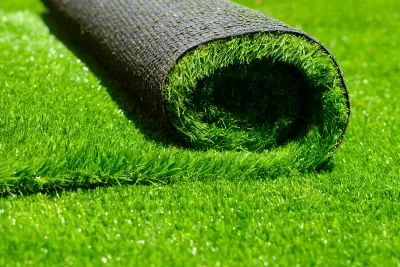
Local governments are starting to address the environmental impacts of artificial turf, which grew in popularity in recent decades as an alternative to thirsty natural grass.
In an article for Route Fifty, Kaitlyn Levinson explains that artificial turf can contain toxic materials like PFAS and leach fossil fuel-based materials into local groundwater. States like California, which in 2015 barred local jurisdictions from banning artificial turf, are now rethinking that decision. “In October 2023, Gov. Gavin Newsom signed a bill that still prohibits cities and counties from banning drought-tolerant lawns consisting of living plants, but does allow them to ban synthetic grass.”
For property owners looking for turf alternatives, landscaping with native vegetation offers another option. “Biodiverse landscapes containing native plants and vegetation, for instance, can help communities strengthen local ecosystems and build climate resilience.”
FULL STORY: Turf wars: States, cities grow skeptical of artificial grass


California Agency Awards $38 Million for Turf Replacement
The grant funds grass replacement rebates for commercial and residential properties and water-saving devices for fire stations.

The Rise of Artificial Turf
Once scratchy and unrealistic, artificial grass has come a long way. Now, it’s quickly becoming a popular lawn replacement as droughts and climate change make traditional lawns harder to maintain.
Cities Facing Turf Questions
Water saver or environmental hazard? Questions are compounding about artificial turf as more homeowners ditch their grass for fake lawns. Contradicting city policies muddy the issue in the arid Southwest.

Planetizen Federal Action Tracker
A weekly monitor of how Trump’s orders and actions are impacting planners and planning in America.

The state-sanctioned urbicide of Austin
People don’t kill cities. Freeways do.

US to reduce Colorado River water deliveries to Mexico
A new Colorado Treaty amendment reduces Mexico’s Colorado River water allocation by 250,000 acre feet.

5 New England states march closer to 800 megawatt wind energy project
Securing federal approval for the project may be complicated under the Trump administration, which has historically been hostile towards domestic wind power.

Baltimore to break ground on $50 million Transit Priority Project
The project will bring faster bus trips, safer streets and better bike connections to Baltimore.

Airbnb launches $250 million 'last-dollar financing' housing accelerator, makes first investment in Austin
The company will put $6.4 million towards affordable housing development in Texas’ capital.

FREE Course: Walkable City 1: Why Walkability?
After describing his path towards focusing on walkability as the essence of good planning, Jeff Speck marches through his five principal reasons for making more walkable places.
Reinventing Malls: Planning Alchemy—Turning Gray Fields Into Gold
The course focuses on the opportunities and imperatives that shape reinvention of mall sites.

Eagle County Government
Harvard University Graduate School of Design
Nashville Planning Department
The Architects Foundation
University of Cincinnati Online
The Pocatello Development Authority
The Urban Renewal Agency of the City of Pocatello
Journal of the American Planning Association