Two residents are building and placing wooden benches at bus stops that lack seating. The city has replaced at least one with a permanent bench.


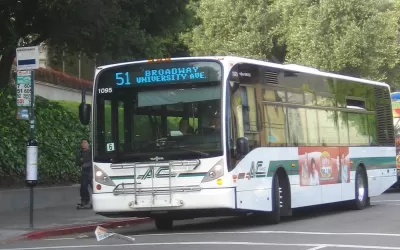
A pair of ‘tactical urbanists’ in Berkeley, California is installing bus benches at some of the city’s bus stops to draw attention to the lack of amenities at many transit stations, reports Maylin Tu in Next City. The two men, Mingwei Samuel and Darrell Owens, used a template created by the Public Bench Project to build wooden benches.
The project worked: “On Dec. 17, he installed the bench; by Dec. 28, Berkeley had removed the bench and replaced it with an official metal one.”
Samuel and Owens have placed six benches around Berkeley so far, begging the question: why don’t these bus stops have seating already? “As thrilling as guerilla bus benches can be, everyone Next City spoke to agreed that this is a job for the public sector. The city or transit agency should step up and provide seating at bus stops for all riders, they say.”
Some cities, like Berkeley’s Bay Area neighbor Emeryville, are stepping up: in 2022, Emeryville Mayor John Bauters spearheaded an effort to place seating at every bus stop in his city. “The key, Bauters says, is to prioritize the city’s values — in this case, safety and equity — and to ask the right questions.”
FULL STORY: These Guerilla Bus Benches Are Spurring Berkeley to Step Up for Bus Riders

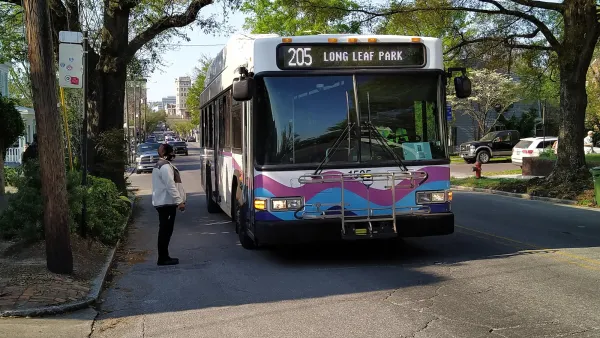
North Carolina removes bus benches installed by Democratic Socialists
NCDOT says the benches, installed without the department's permission, do not meet state standards for safety and accessibility.
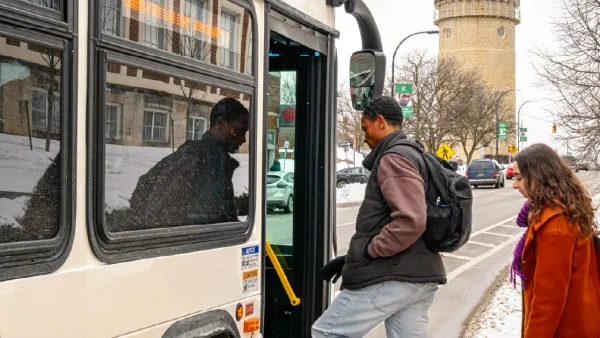
UMich Students Install DIY Bus Benches in Ann Arbor
A student urbanism club built and distributed benches at some of the city’s most-used bus stops.
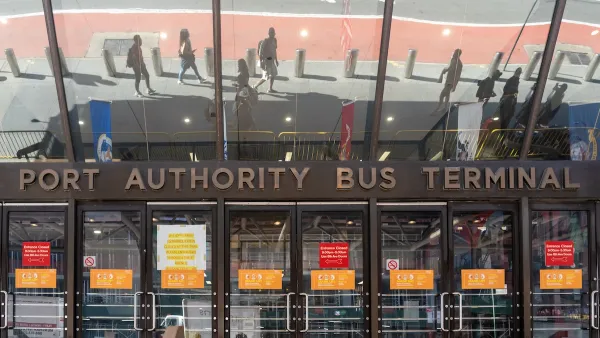
NYC Secures Funding for Midtown Bus Terminal Replacement
The aging Manhattan transit terminal, the world’s busiest, will receive a $10 billion revamp and expansion.

Planetizen Federal Action Tracker
A weekly monitor of how Trump’s orders and actions are impacting planners and planning in America.

The state-sanctioned urbicide of Austin
People don’t kill cities. Freeways do.

US to reduce Colorado River water deliveries to Mexico
A new Colorado Treaty amendment reduces Mexico’s Colorado River water allocation by 250,000 acre feet.

Brightline West’s future may rely on $6 billion federal loan
The company has until Nov. 2 to make a $400 million equity investment into its proposed high-speed rail line.

LA Metro’s ultimatum: no extra buses for LA28 if federal funding isn’t imminently secured
If Metro does not provide additional buses, LA28 organizers will have to find a new way to manage Olympic traffic. LA28’s budget does not include a line item for transit.

Colorado’s Largest Data Center Could Rise Next to Homes — Without a Public Hearing
The proposed campus would consume 11 times the power of Denver International Airport; as it has across the country, opposition mounts.

FREE Course: Walkable City 1: Why Walkability?
After describing his path towards focusing on walkability as the essence of good planning, Jeff Speck marches through his five principal reasons for making more walkable places.
Reinventing Malls: Planning Alchemy—Turning Gray Fields Into Gold
The course focuses on the opportunities and imperatives that shape reinvention of mall sites.


Eagle County Government
Harvard University Graduate School of Design
Nashville Planning Department
The Architects Foundation
University of Cincinnati Online
The Pocatello Development Authority
The Urban Renewal Agency of the City of Pocatello
Journal of the American Planning Association