Experts predict summer temperatures could surpass 2023’s record heat waves, prompting cities to plan mitigation measures.


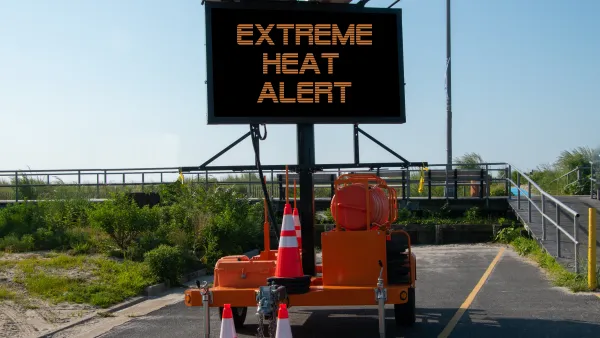
After a record-hot summer in 2023, cities around the world are preparing for another potentially scorching season in 2024. As Ysabelle Kempe explains in Smart Cities Dive, “Perhaps the most time-sensitive heat-related question currently facing U.S. cities is what needs to happen before this summer arrives to minimize heat-related death and illness as much as possible.”
According to Victoria Ludwig, senior climate specialist at the U.S. Environmental Protection Agency’s Office of Community Revitalization, “Cities are increasingly looking to longer-term strategies to offset higher temperatures, like adding green space and cool pavement. However, these interventions must be seriously scaled up to make significant differences in a neighborhood’s ambient air temperature.”
Cities like Phoenix, Miami, and Los Angeles have funded new municipal offices and developed plans to prepare for extreme heat. These plans include ways to reduce the urban heat island effect, such as planting trees and installing cool pavement treatments, and strategies for protecting residents such as cooling centers and awareness outreach for vulnerable groups like the unhoused and elderly people. Some advocates are calling for regulations on maximum indoor temperatures for tenants (heating and running water already have similar rules).
FULL STORY: Extreme heat watch: Will cities be ready for summer 2024?


How Extreme Heat Impacts Children
As summers get hotter and more dangerous, parents can take steps to protect kids from heat-related illnesses.
How Extreme Heat Impacts Heart Health
A higher number of high heat days correlates with more cardiovascular deaths, according to new research.
How Hot is Too Hot?
While they may not sound extreme, temperatures over 90 degrees can easily pose fatal risks and could have long-term impacts on public health.

The state-sanctioned urbicide of Austin
People don’t kill cities. Freeways do.

US to reduce Colorado River water deliveries to Mexico
A new Colorado Treaty amendment reduces Mexico’s Colorado River water allocation by 250,000 acre feet.

New Jersey’s second-largest city bans standalone data centers
Jersey City will continue to allow co-location facilities, such as those meant for research institutions that store their own data.

Amtrak not solely to blame for New Jersey commuter rail's unreliability, report finds
A new study from the Garden State Initiative found that NJ Transit’s budget grew 20% across a 4 year period, but reliability declined significantly over the same period.

EPA erases limits on planet-warming pollution from power plants
Under Monday’s plan, power plants would still have some limits on how much mercury, arsenic and other contaminants they can emit.

Phoenix announces new on-demand transit service, more frequent RAPID buses
Both new services will launch in October, and are part of Phoenix's Project Effective Access Solutions for Easing Congestion.

FREE Course: Walkable City 1: Why Walkability?
After describing his path towards focusing on walkability as the essence of good planning, Jeff Speck marches through his five principal reasons for making more walkable places.
Reinventing Malls: Planning Alchemy—Turning Gray Fields Into Gold
The course focuses on the opportunities and imperatives that shape reinvention of mall sites.

Eagle County Government
Harvard University Graduate School of Design
Nashville Planning Department
The Architects Foundation
University of Cincinnati Online
The Pocatello Development Authority
The Urban Renewal Agency of the City of Pocatello
Journal of the American Planning Association