As they age and form families, millennials find it increasingly difficult to afford housing in urban areas.



A new episode of the Strong Towns podcast Upzoned analyzes the reasons why millennials are moving to exurbs and other non-urban places. One major factor, of course, is housing costs and the lack of affordable, available, family-friendly homes in many U.S. cities.
Abby Newsham and Chuck Marohn discuss what does this mean for exurban communities and for the millennial families moving there. For Marohn, many of these households are trapped into a very limited set of options, roped into a mortgage system that benefits from the tight market.
Marohn suggests that the housing market “needs to become more localized” and sensitive to people’s ability to pay for housing at the local level. Listen to the episode to hear more of Marohn’s perspective.
FULL STORY: Millennials Are Fleeing Cities in Favor of the Exurbs

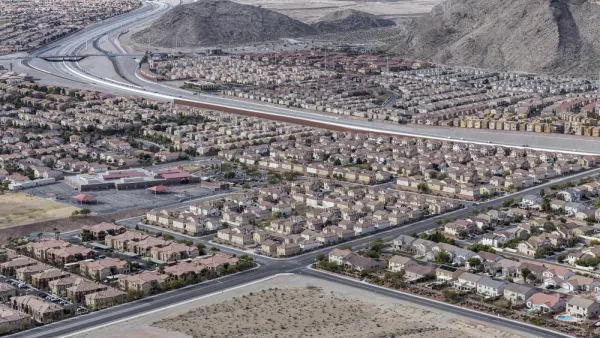
How COVID-19 and Skyrocketing Housing Costs Accelerated Sprawl
In search of space and affordability, American families are increasingly moving to suburbs and exurbs.
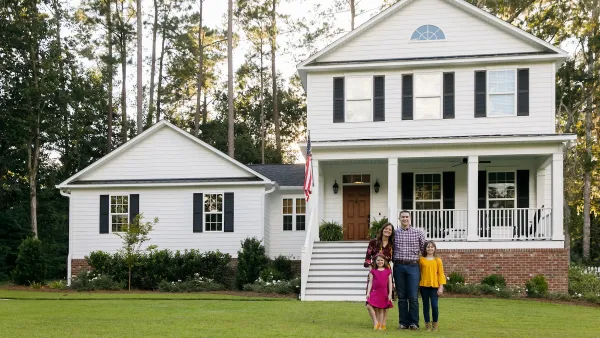
Report: Housing is becoming an 'inherited advantage'
As housing costs soar, buying a home is becoming unaffordable to a large swath of American families.

Home Prices are Stabilizing. Will it Last?
Housing costs are growing at a slower rate than in recent years, but experts say significant home price reductions won’t happen in the short term.

The state-sanctioned urbicide of Austin
People don’t kill cities. Freeways do.

US to reduce Colorado River water deliveries to Mexico
A new Colorado Treaty amendment reduces Mexico’s Colorado River water allocation by 250,000 acre feet.

New Jersey’s second-largest city bans standalone data centers
Jersey City will continue to allow co-location facilities, such as those meant for research institutions that store their own data.

Amtrak not solely to blame for New Jersey commuter rail's unreliability, report finds
A new study from the Garden State Initiative found that NJ Transit’s budget grew 20% across a 4 year period, but reliability declined significantly over the same period.

EPA erases limits on planet-warming pollution from power plants
Under Monday’s plan, power plants would still have some limits on how much mercury, arsenic and other contaminants they can emit.

Phoenix announces new on-demand transit service, more frequent RAPID buses
Both new services will launch in October, and are part of Phoenix's Project Effective Access Solutions for Easing Congestion.

FREE Course: Walkable City 1: Why Walkability?
After describing his path towards focusing on walkability as the essence of good planning, Jeff Speck marches through his five principal reasons for making more walkable places.
Reinventing Malls: Planning Alchemy—Turning Gray Fields Into Gold
The course focuses on the opportunities and imperatives that shape reinvention of mall sites.

Eagle County Government
Harvard University Graduate School of Design
Nashville Planning Department
The Architects Foundation
University of Cincinnati Online
The Pocatello Development Authority
The Urban Renewal Agency of the City of Pocatello
Journal of the American Planning Association