The administration is urging states to more heavily regulate application fees, administrative fees, and other often hidden costs imposed on renters.


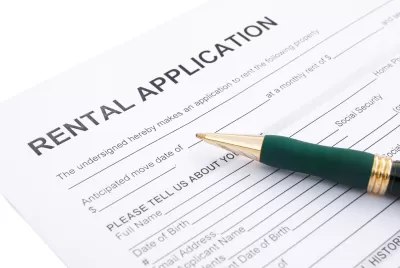
The Biden administration is calling on states to issue more regulations around so-called “junk fees” for renters, reports Andrew Keshner in MarketWatch. “These costs, which often come as a surprise, include application fees, administrative fees, parking fees, and even pet fees.”
According to Keshner, “As part of the anti-junk fee campaign, several states issued new rules around these fees, and Zillow, the online real-estate marketplace, introduced a ‘cost of renting summary’ that runs through all the fees a renter can expect to pay.”
But “Transparency surrounding these fees is not the same as removing them, rental housing advocates say.” Disclosures, while a step forward, “don’t do anything to lessen or eliminate the fees.” Ariel Nelson, a staff attorney with the National Consumer Law Center, says many of the mechanisms used by landlords are inherently problematic. “Credit checks and wide-ranging tenant screening services can contain inaccuracies, Nelson said. Tenant-screening reports can unfairly reveal a person’s entanglements with the criminal justice system, including an arrest that resulted in a case being dismissed, she noted.”
A U.S. Department of Housing and Urban Development study found that Black, Hispanic, and Asian-American renters are “much more likely” to be charged application fees than white renters, Keshner adds.
Read the full story: White House wants to expose ‘junk fees’ imposed on renters — but erasing them will be a tougher task


Cities and States Taking Action to Limit Rent-Setting AI
Federal prosecutors are charging a software company with using algorithms to artificially inflate rents.
California Law Limits Security Deposits for Renters
Starting this month, landlords can no longer charge multiple months’ rent for security deposits.
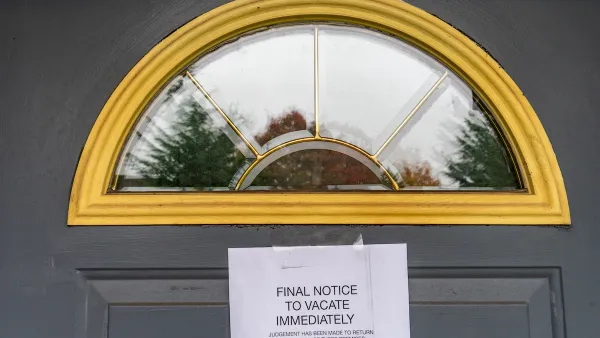
Evictions on the Rise in California
As rent costs continue to grow and eviction protection programs lapse, eviction rates are spiking across the state.

Planetizen Federal Action Tracker
A weekly monitor of how Trump’s orders and actions are impacting planners and planning in America.

California plans to bury El Niño’s downpour
If the state plays its cards right, it may be able to store a billion acre-feet of El Niño’s water in aquifers.

Desperate measures: Advocates weigh draining Lake Powell to fill Colorado River
Draining the reservoir could reduce evaporation losses by a couple hundred thousand acre-feet.

40 years after approval, Chicago breaks ground on new park
The park honors Jean Baptiste Point du Sable, the city’s first permanent non-native settler.

‘Hoodwinked:’ New Mexico bill aimed at microgrids paves way for data center development
In an interview with High Country News, Padilla said the legislation “ignited” New Mexico's economy.

California’s ‘unrecognizable’ water plan may go down the drain
After four years of regulatory processes, water agencies say the plan to overhaul how cities and farms take water from the Sacramento-San Joaquin Delta has changed dramatically.

FREE Course: Walkable City 1: Why Walkability?
After describing his path towards focusing on walkability as the essence of good planning, Jeff Speck marches through his five principal reasons for making more walkable places.
Reinventing Malls: Planning Alchemy—Turning Gray Fields Into Gold
The course focuses on the opportunities and imperatives that shape reinvention of mall sites.

City of Rosemead
Rutgers University, Edward J. Bloustein School of Planning and Public Policy
One Hundred Miles
Hunter College, City University of New York (CUNY)
The Architects Foundation
University of Cincinnati Online
City of Cambridge
Montrose County
The Pocatello Development Authority