The signature zoning and planning effort of the Adams administration took a step forward recently, with changes meant to clear red tape for businesses in New York City.


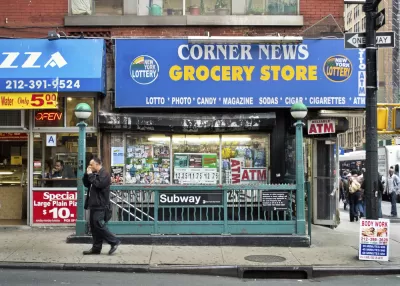
More details on New York Mayor Eric Adams “City of Yes” zoning reform agenda were made available recently. In June, Mayor Adams and New York Planning Director and City Planning Commission Chair Dan Garodnick revealed the “City of Yes for Economic Opportunity” zoning text amendment, the second of three zoning text amendments planned by the Adams administration and first announced in June 2022.
“The City of Yes for Economic Opportunity amendment aims to support small business growth through four pillars: revitalizing commercial corridors, filling vacant storefronts, modernizing use regulations, and investments in key growth industries,” according to an article by Veronica Rose for CityLand. “The changes to the zoning text aim to remove obstacles that slow down or prevent the growth and development of small businesses.”
The zoning amendment includes 18 policy changes in all, including a large expansion of small-scale clean manufacturing, new space for industrial uses, new allowances for businesses to operate on ground floors, and new opportunities for corner stores, among others.
“The formal public review is expected to begin this fall,” reports Rose. “Currently, the first City of Yes amendment, City of Yes for Carbon Neutrality, is in the public review process and being reviewed by community and borough boards. The third amendment, the City of Yes for Housing Opportunity, is expected to enter public review next spring.”
FULL STORY: Mayor and City Planning Unveil Details for City of Yes for Economic Opportunity Zoning Text Amendment

What Actually Got Built Under Eric Adams’ ‘Pro-Housing’ Administration
The outgoing mayor claims credit for hundreds of thousands of new homes. The truth is more complicated.

Staten Island Resists ‘City of Yes’ Zoning Reforms
One year after New York City approved major zoning changes, some residents continue to fight increased density.

Lawsuit Aims to Stop NYC’s ‘City of Yes’ Zoning Reforms
A lawsuit brought by local lawmakers and community groups claims the plan failed to conduct a comprehensive environmental review.

The state-sanctioned urbicide of Austin
People don’t kill cities. Freeways do.

US to reduce Colorado River water deliveries to Mexico
A new Colorado Treaty amendment reduces Mexico’s Colorado River water allocation by 250,000 acre feet.

New Jersey’s second-largest city bans standalone data centers
Jersey City will continue to allow co-location facilities, such as those meant for research institutions that store their own data.

Amtrak not solely to blame for New Jersey commuter rail's unreliability, report finds
A new study from the Garden State Initiative found that NJ Transit’s budget grew 20% across a 4 year period, but reliability declined significantly over the same period.

EPA erases limits on planet-warming pollution from power plants
Under Monday’s plan, power plants would still have some limits on how much mercury, arsenic and other contaminants they can emit.

Phoenix announces new on-demand transit service, more frequent RAPID buses
Both new services will launch in October, and are part of Phoenix's Project Effective Access Solutions for Easing Congestion.

FREE Course: Walkable City 1: Why Walkability?
After describing his path towards focusing on walkability as the essence of good planning, Jeff Speck marches through his five principal reasons for making more walkable places.
Reinventing Malls: Planning Alchemy—Turning Gray Fields Into Gold
The course focuses on the opportunities and imperatives that shape reinvention of mall sites.

Eagle County Government
Harvard University Graduate School of Design
Nashville Planning Department
The Architects Foundation
University of Cincinnati Online
The Pocatello Development Authority
The Urban Renewal Agency of the City of Pocatello
Journal of the American Planning Association