The Pew Research Center has just released the results of a new poll of Asians in America, the country's fastest growing racial and ethnic group in recent years.


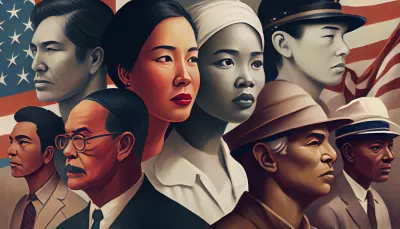
The Pew Research Center completed the first-of-its-kind poll of approximately 7,000 adults which was conducted in English and five other languages and sheds new light on how Asians—both immigrants as well as those born in the U.S.—perceive themselves and others. As reported by Joe Hernandez of NPR, the report placed a particular focus on the six largest Asian subgroups—Chinese, Filipino, Indian, Japanese, Korean and Vietnamese—which together account for about four in five Asians across the U.S.
This article highlights the following five takeaways from the survey:
- Only 16 percent call themselves Asian American. Most prefer to use their specific ethnicities.
- There are differences in how Asian immigrants and those born in the U.S. see themselves.
- Respondents do not see Asians in the U.S. as a monolithic group.
- Asians are politically diverse.
- Asians share similar views of what it means to be American with other U.S. adults.
To learn more, please read the source article as well as this Pew Research Center site which has details about the poll that was conducted.
Read the full story: 5 things to know about a major new Pew poll of Asians in the U.S.

Mahjong Game Highlights Displacement of Seniors in NYC’s Chinatown
‘Aging Out of Place’ explores the mechanisms that displace vulnerable seniors, and how the community can help preserve key resources and institutions.

Reflections on Representation and Legacy in Parks and Public Service
In a personal reflection for Asian American and Pacific Islander Heritage Month, planner Clement Lau explores how cultural identity, public service, and a commitment to equity have shaped his career in parks, community planning, and sustainability.
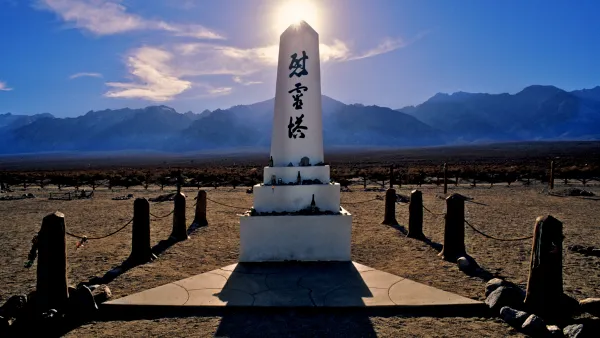
Ten Parks and Sites for Asian American, Native Hawaiian, and Pacific Islander History
Learn more about some of the parks and historic sites that preserve and share the stories of Asian American, Native Hawaiian, and Pacific Islander people and communities in the U.S.

Planetizen Federal Action Tracker
A weekly monitor of how Trump’s orders and actions are impacting planners and planning in America.

The state-sanctioned urbicide of Austin
People don’t kill cities. Freeways do.

US to reduce Colorado River water deliveries to Mexico
A new Colorado Treaty amendment reduces Mexico’s Colorado River water allocation by 250,000 acre feet.

Nation's most wind-powered state turns to coal as data centers increase energy demand
For the first time in decades, Iowa has increased its generation of coal power.
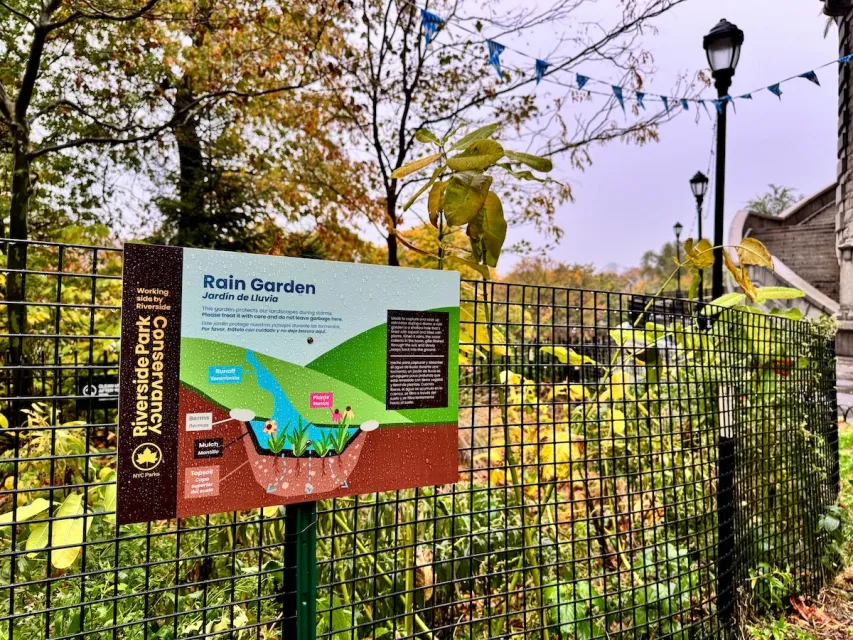
NYC cools commuters with city's first rain garden above a bus stop
New York City officials say the plants in the rain garden can absorb 16 gallons of rainwater during heavy storms.

Brightline West’s future may rely on $6 billion federal loan
The company has until Nov. 2 to make a $400 million equity investment into its proposed high-speed rail line.

FREE Course: Walkable City 1: Why Walkability?
After describing his path towards focusing on walkability as the essence of good planning, Jeff Speck marches through his five principal reasons for making more walkable places.
Reinventing Malls: Planning Alchemy—Turning Gray Fields Into Gold
The course focuses on the opportunities and imperatives that shape reinvention of mall sites.

Greater Baltimore Committee
Eagle County Government
Harvard University Graduate School of Design
The Architects Foundation
University of Cincinnati Online
The Pocatello Development Authority
The Urban Renewal Agency of the City of Pocatello
Journal of the American Planning Association