The Florida city will be the first in the country to rescing zoning changes that would have created opportunities for a wider variety of housing options in residential neighborhoods.



The Gainesville City Commission passed ordinances overturning zoning changes made last October that eliminated single-family-only zoning in the city in the hopes of making housing more available and affordable. According to Nicholas Rubino, writing for WUFT, new commissioners expressed their disapproval of such broad zoning changes.
“One of the biggest fears of single-family homeowners with no exclusionary zoning is that developers will come and buy up the land in their neighborhood and change their community forever.” Commissioner Ed Book admitted to the city’s housing shortage, but said “those gaps and those deficiencies are not going to be solved by the ordinances that were attempted to be put in place in 2022.” The commissioners who supported the reversal did not offer any new solutions for the housing crisis.
The October ordinances replaced single-family zoning with a new designation called “neighborhood residential zoning,” which loosened zoning restrictions to allow for apartment buildings. Cities like Seattle have made similar changes, though the impact of the new language remains unclear.
As an article in the Gainesville Sun points out, “The changes allowed developers the opportunity to build duplexes, triplexes and, in rarer occasions, quadplexes anywhere citywide based on an available lot size, similar to how housing is currently allowed in southeast Gainesville.” Gainesville, the first city in Florida to eliminate the single-family zoning designation, “will now be the first in the country to reinstate it − both coming within a six-month span.”
FULL STORY: Gainesville commissioners continue undoing single-family zoning laws

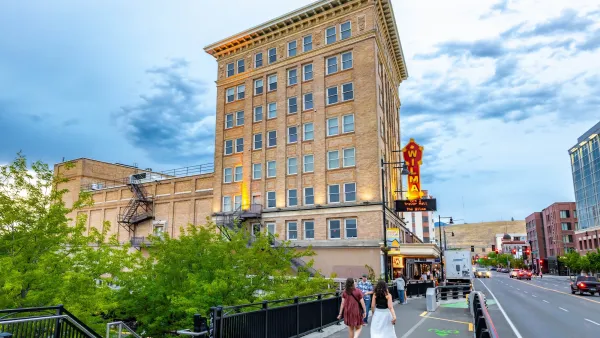
Missoula Approves Zoning Reform Emphasizing More Diverse Housing, Walkability
The city’s new zoning code, map, and development standards will guide more expansive housing options and improved walkability.
Poll: 2/3 of Virginians Don’t Trust Local Governments to Address Housing Crisis
Three-quarters of residents say the state needs to do more to address housing supply and affordability.
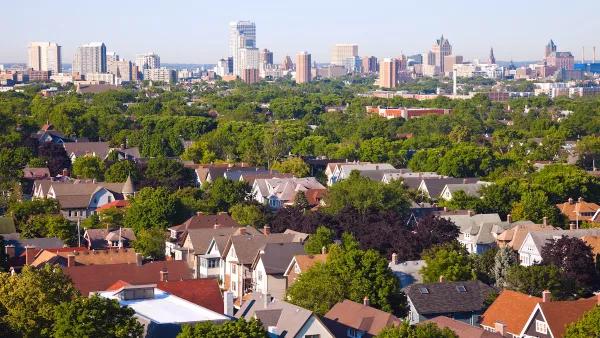
‘Growing MKE’ Zoning Reform Plan Would Expand Milwaukee Housing Options
Proponents of the plan say the changes would help reverse decades of discriminatory housing policies.

Planetizen Federal Action Tracker
A weekly monitor of how Trump’s orders and actions are impacting planners and planning in America.

The state-sanctioned urbicide of Austin
People don’t kill cities. Freeways do.

US to reduce Colorado River water deliveries to Mexico
A new Colorado Treaty amendment reduces Mexico’s Colorado River water allocation by 250,000 acre feet.

5 New England states march closer to 800 megawatt wind energy project
Securing federal approval for the project may be complicated under the Trump administration, which has historically been hostile towards domestic wind power.

Baltimore to break ground on $50 million Transit Priority Project
The project will bring faster bus trips, safer streets and better bike connections to Baltimore.

Airbnb launches $250 million 'last-dollar financing' housing accelerator, makes first investment in Austin
The company will put $6.4 million towards affordable housing development in Texas’ capital.

FREE Course: Walkable City 1: Why Walkability?
After describing his path towards focusing on walkability as the essence of good planning, Jeff Speck marches through his five principal reasons for making more walkable places.
Reinventing Malls: Planning Alchemy—Turning Gray Fields Into Gold
The course focuses on the opportunities and imperatives that shape reinvention of mall sites.

Eagle County Government
Harvard University Graduate School of Design
Nashville Planning Department
The Architects Foundation
University of Cincinnati Online
The Pocatello Development Authority
The Urban Renewal Agency of the City of Pocatello
Journal of the American Planning Association