Many of the candidates agree that a slow, complex sales process and strong councilmanic prerogative hinder the development of city-owned lots.


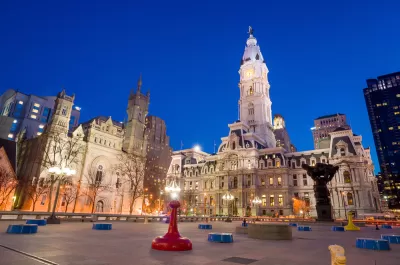
Candidates running for mayor of Philadelphia are touting vacant city-owned lots as one solution to the city’s affordable housing shortage, calling on the city to improve its “too complex and too slow” current process for building on vacant land. According to an article by Aarol Moselle for WHYY, a combination of Philadelphia city agencies owns roughly one-quarter of the 40,000 vacant lots in the city. But Philadelphia Land Bank executive director Angel Rodriguez “said it currently takes between four and seven months for a property to go to settlement, the final stage of a transaction where ownership of the property is legally transferred from the city to the buyer, usually either a private developer or a nonprofit.” Developers say this time frame makes it difficult to build new housing at a pace that will make an impact.
The city also has uniquely powerful councilmembers under what is known as councilmanic privilege, “longstanding and deep-rooted practice” in Philadelphia. “Any candidate running for mayor in Philadelphia must contend with that reality if they’re elected, particularly if their campaign is pushing for new affordable housing projects, which are viewed by advocates as a significant but not a singular solution to the ongoing housing crisis.”
FULL STORY: Philly mayoral candidates target vacant land for affordable housing

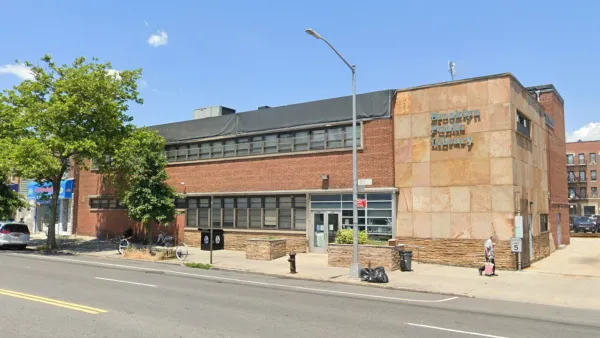
Mayor Mamdani unveils map of 100 public lots that could become housing
The city identified properties that could be available for new housing development.
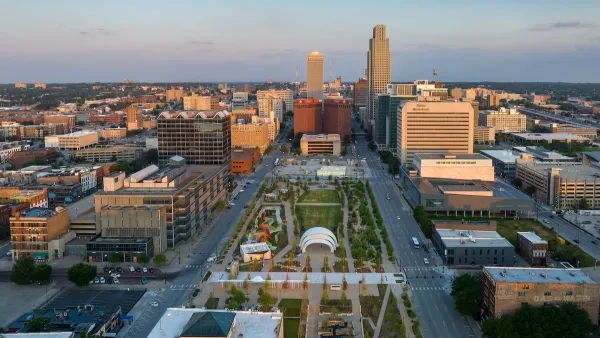
Omaha Program Promotes Infill Development
Budding developers can access funding and low-cost vacant lots for affordable housing construction.
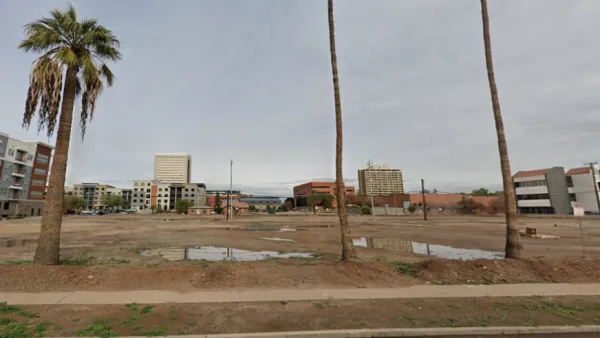
Phoenix Moves to Build Affordable Housing on City-Owned Land
The city has so far issued two requests for proposals from developers to build mixed-income housing on city-owned lots.

Planetizen Federal Action Tracker
A weekly monitor of how Trump’s orders and actions are impacting planners and planning in America.

The state-sanctioned urbicide of Austin
People don’t kill cities. Freeways do.

US to reduce Colorado River water deliveries to Mexico
A new Colorado Treaty amendment reduces Mexico’s Colorado River water allocation by 250,000 acre feet.

5 New England states march closer to 800 megawatt wind energy project
Securing federal approval for the project may be complicated under the Trump administration, which has historically been hostile towards domestic wind power.

Baltimore to break ground on $50 million Transit Priority Project
The project will bring faster bus trips, safer streets and better bike connections to Baltimore.

Airbnb launches $250 million 'last-dollar financing' housing accelerator, makes first investment in Austin
The company will put $6.4 million towards affordable housing development in Texas’ capital.

FREE Course: Walkable City 1: Why Walkability?
After describing his path towards focusing on walkability as the essence of good planning, Jeff Speck marches through his five principal reasons for making more walkable places.
Reinventing Malls: Planning Alchemy—Turning Gray Fields Into Gold
The course focuses on the opportunities and imperatives that shape reinvention of mall sites.

Eagle County Government
Harvard University Graduate School of Design
Nashville Planning Department
The Architects Foundation
University of Cincinnati Online
The Pocatello Development Authority
The Urban Renewal Agency of the City of Pocatello
Journal of the American Planning Association