The growth of pedestrianized spaces and car-free streets depends on a transformational shift in thinking about what—and who—public spaces and streets are for.


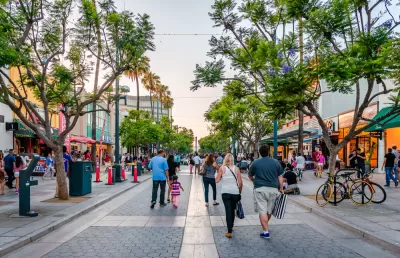
The fierce debate over how to use public space continues as cities weigh the future of the ‘open streets’ initiatives that gained popularity during the pandemic. Reis Thebault outlines the ongoing issue in The Washington Post.
Over the last year alone, major U.S. cities doubled-down on plans to restrict driving on main streets. Municipalities from Michigan to Washington, D.C., banned right turns at red lights. Voters earmarked billions for public transit projects. Officials unveiled hundreds of miles of new bike lanes. New York City proposed a new tax on motorists, and California relaxed jaywalking restrictions and freed up land once reserved for parking spaces.
These nationwide actions signal a shift in how we view public space, which has for decades been largely devoted to accommodating cars and driving. Change hasn’t come without controversy, but car-free streets are gaining widespread public support and momentum.
The article points to the heated fight over car access to San Francisco’s JFK Promenade (nee JFK Drive), a 1.5-mile stretch of road in Golden Gate Park. Last November, “More than 60 percent of voters approved a measure permanently banning cars from part of JFK Drive, while a similar number rejected a competing initiative that would have allowed cars to return to stretches of Golden Gate Park and the Great Highway, another popular city roadway that was partially closed at the onset of the pandemic.”
Read the full story: Inside the movement to remake America’s city streets


Battle Over San Francisco's Pedestrianized 'Great Highway'
Although the project has been hugely successful with local residents, the mayor and some county supervisors wanted to revert the road to vehicle use.
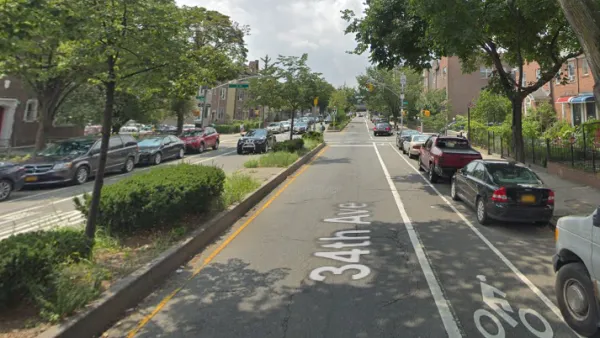
How Can NYC Keep its 'Open Streets' Post-Pandemic?
A debate over one Queens 'open street' project illustrates the challenges of maintaining open streets.

Paris Voters Approve More Car-Free Streets
Paris Mayor Anne Hidalgo says the city will develop a plan to close 500 streets to car traffic and add new bike and pedestrian infrastructure after a referendum on the proposal passed with 66 percent of the vote.

Planetizen Federal Action Tracker
A weekly monitor of how Trump’s orders and actions are impacting planners and planning in America.

The state-sanctioned urbicide of Austin
People don’t kill cities. Freeways do.
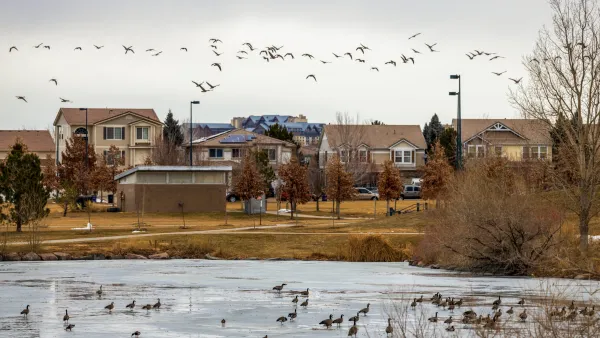
Colorado’s Largest Data Center Could Rise Next to Homes — Without a Public Hearing
The proposed campus would consume 11 times the power of Denver International Airport; as it has across the country, opposition mounts.
Raised interest rates may kill financially vulnerable construction projects
The chief economist at ConstructConnect warns that if construction project owners are negatively impacted by the raised rates, it could result in delayed payments to contractors.

Data centers are consuming nearly 25% of Oregon’s power
The state has 111 data centers, with 32 more either planned or under construction.

A third of Texas cities must update their zoning codes to comply with new housing law
Texas municipalities are now required to allow manufactured housing in at least one residential zoning district.

FREE Course: Walkable City 1: Why Walkability?
After describing his path towards focusing on walkability as the essence of good planning, Jeff Speck marches through his five principal reasons for making more walkable places.
Reinventing Malls: Planning Alchemy—Turning Gray Fields Into Gold
The course focuses on the opportunities and imperatives that shape reinvention of mall sites.

Greater Baltimore Committee
Eagle County Government
Harvard University Graduate School of Design
The Architects Foundation
University of Cincinnati Online
The Pocatello Development Authority
The Urban Renewal Agency of the City of Pocatello
Journal of the American Planning Association