In 2022, the county’s point-in-time count of unhoused people reflected just 18 individuals, the lowest in the country.


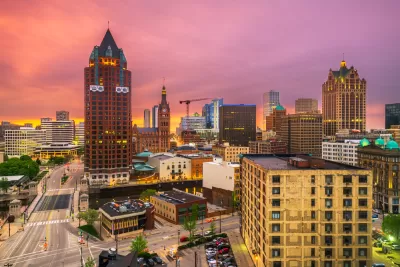
“In 2022, Milwaukee County had the lowest per-capita count of unsheltered homeless people in the nation, according to the U.S. Department of Housing and Urban Development.” But the county has seen an increase in unhoused residents, putting that record in jeopardy, writes Evan Casey in Urban Milwaukee.
Eric Collins-Dyke, the assistant administrator of supportive housing and homeless services for Milwaukee County, says he has seen a growth in the number of unhoused people, although the results of the federally mandated point-in-time homeless count conducted in January won’t be officially published for weeks or months. Collins-Dyke blames “a rise in housing insecurity, an increase in evictions and ongoing problems that many people are facing when it comes to mental health and substance abuse.”
Casey points out that the point-in-time count could omit people who sought temporary shelter during the winter, making the actual number of unhoused people in the county likely higher. To account for this, the county will conduct quarterly counts starting this year. Meanwhile, federal assistance funding provided during the pandemic is drying up, while evictions are surging and the state faces a shortage of over 123,000 rental units, putting more people at risk of losing their housing.
Among other efforts to prevent people from falling into homelessness, the county launched a Right to Counsel program that provides legal resources and representation to people facing eviction and a housing assistance program for low-income residents.
Read the full story: Milwaukee a Leader on Helping Homeless But Still Needs More Housing

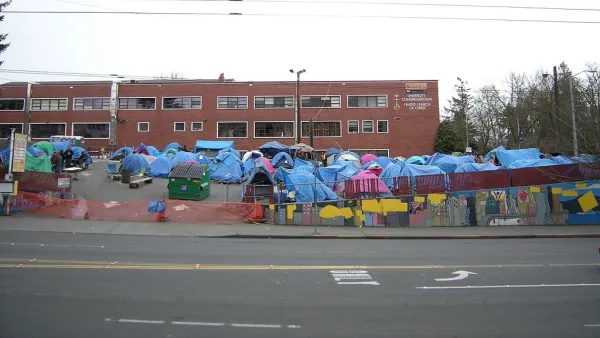
The Homelessness Crisis Deepened, Even Before the Pandemic
New numbers from the U.S. Department of Housing and Urban Development show "devastating" growth in the number of unhoused people in the United States in January 2020.
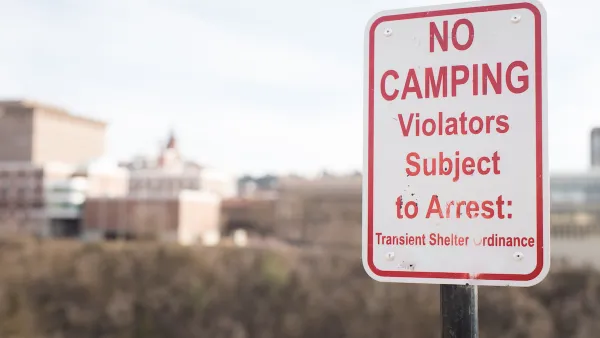
HUD: Homelessness Up by 12 Percent
The agency’s annual point-in-time count identified over 650,000 Americans living without permanent housing.
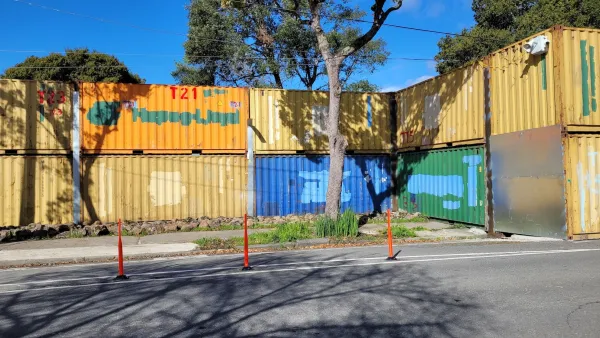
Berkeley promised to build supportive housing in People's Park. Where is it?
More than two years after People's Park was cordoned off, there is no word on a timeline for a promised affordable housing project.

Planetizen Federal Action Tracker
A weekly monitor of how Trump’s orders and actions are impacting planners and planning in America.

The state-sanctioned urbicide of Austin
People don’t kill cities. Freeways do.

US to reduce Colorado River water deliveries to Mexico
A new Colorado Treaty amendment reduces Mexico’s Colorado River water allocation by 250,000 acre feet.

Nation's most wind-powered state turns to coal as data centers increase energy demand
For the first time in decades, Iowa has increased its generation of coal power.

NYC cools commuters with city's first rain garden above a bus stop
New York City officials say the plants in the rain garden can absorb 16 gallons of rainwater during heavy storms.

Brightline West’s future may rely on $6 billion federal loan
The company has until Nov. 2 to make a $400 million equity investment into its proposed high-speed rail line.

FREE Course: Walkable City 1: Why Walkability?
After describing his path towards focusing on walkability as the essence of good planning, Jeff Speck marches through his five principal reasons for making more walkable places.
Reinventing Malls: Planning Alchemy—Turning Gray Fields Into Gold
The course focuses on the opportunities and imperatives that shape reinvention of mall sites.

Greater Baltimore Committee
Eagle County Government
Harvard University Graduate School of Design
The Architects Foundation
University of Cincinnati Online
The Pocatello Development Authority
The Urban Renewal Agency of the City of Pocatello
Journal of the American Planning Association